
24/7 Customer Support

Free returns

Same-day & Next-day Delivery

Quality Guaranteed

Unlock Your Welcome Offers: FREE Delivery | Up to 80% OFF | Free 30-day JoyPlus trial
Download the APP
As a nation, our appetite for flavour has grown bolder. The search for exciting spicy snacks has moved beyond the corner shop, with many of us looking to buy Asian snacks online or explore the world food snacks aisle for something with a genuine kick. But this new world of flavour comes with its own set of challenges. It's easy to be disappointed by a snack that promises fire but delivers a flat, one-dimensional burn, or a crisp that goes soft moments after opening the bag.
As the Joybuy Product Recommendation Officer, my role is to help you navigate the market. We will look past the flashy packaging and marketing buzz to identify what truly makes a spicy snack worth your money. Here are the common pitfalls to watch for and the key factors to consider.
Before you add that intriguing bag of hot crisps to your basket, be aware of these frequent issues:
To avoid disappointment, focus on a few core parameters that separate a quality product from a mediocre one.
The type of chilli used is the single most important factor in a snack's flavour profile. Don't just look for "chilli" on the label; check for specifics.
The foundation of the snack determines its texture and how it complements the spice.
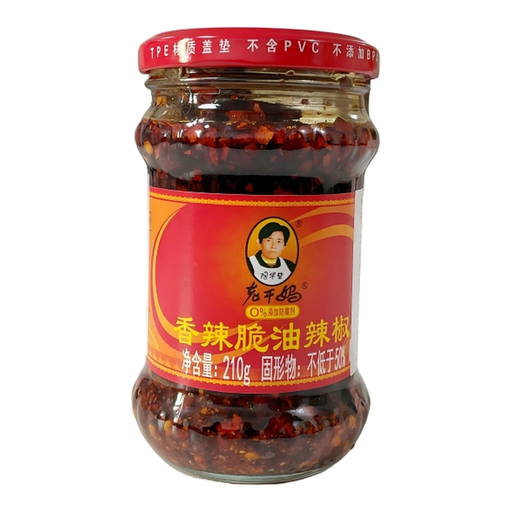
Why This Fits Their Persona: This isn't just a snack; it's a pantry staple for anyone who loves adding a spicy, savoury crunch to their meals. It's perfect for elevating everything from noodles and rice to eggs and avocado toast, offering far more versatility than a simple bag of crisps.
It masterfully avoids the "all heat, no flavour" trap. The infused oil, crunchy chilli flakes, fermented soybeans and peanuts create a deeply savoury, umami-rich experience with layers of texture and flavour, not just a one-note burn.
Extremely versatile as a condiment, topping or cooking ingredient. Provides authentic, complex Sichuan-style flavour and a satisfying crunchy texture.
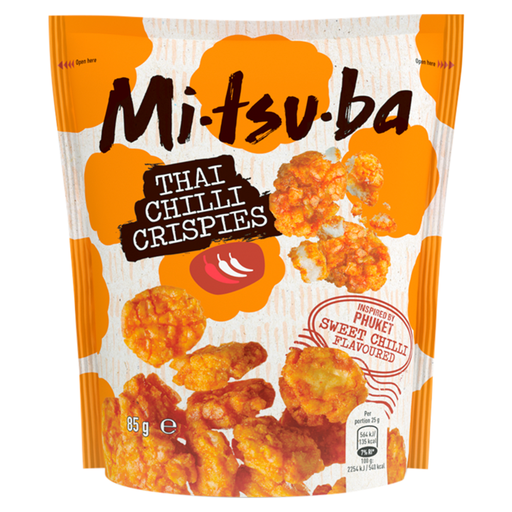
Why This Fits Their Persona: For those who appreciate a more refined snack. These rice crackers offer a lighter, crispier alternative to potato crisps, with a balanced sweet and spicy flavour profile inspired by Thai cuisine. Ideal for someone looking for a quality snack that feels a little more special.
This product sidesteps the "authenticity illusion" by using 45% jasmine rice as its primary ingredient, delivering a genuine light texture. The flavour is built from soy sauce, garlic and chilli powder, not just generic "flavouring".
Features a light, delicate crunch from the jasmine rice base. The product is also palm oil free and MSG free, catering to more conscious consumers.
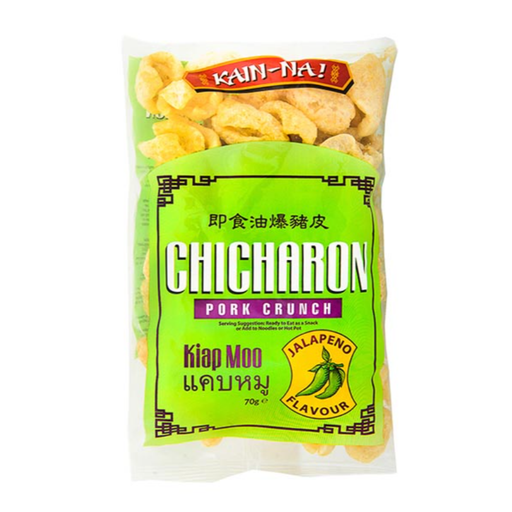
Why This Fits Their Persona: This is for the snacker who prioritises a deep, savoury flavour and a substantial, airy crunch. Based on Filipino chicharon (pork rinds), it offers a high-protein, low-carbohydrate alternative to traditional crisps, with a zesty jalape?o kick.
It completely avoids the texture let-down of a standard crisp. The fried pork rind base provides a uniquely light, airy and satisfyingly loud crunch that doesn't become greasy or soft. The jalape?o flavouring adds a tangy heat rather than a simple burn.
Offers a very high protein content (69.3g per 100g) and is extremely low in carbohydrates. The pork rind base provides a distinctive, satisfyingly crunchy texture.
We have compiled a complete, real-time list of products that fully satisfy these strict selection criteria and UK safety regulations.
Chilli powder is a dry, ground spice made from dried chillies, used as a cooking ingredient to add heat and colour to a dish. Chilli crisp (like Lao Gan Ma) is a condiment made from chilli flakes, oil and other ingredients like soybeans or peanuts. It provides flavour, heat and a crunchy texture, and is typically added to food after cooking.
For dry snacks like crisps and crackers, the key is to keep them away from air and moisture. After opening, roll the bag down tightly, use a clip or transfer the contents to an airtight container. Store them in a cool, dry cupboard. For oil-based condiments like chilli crisp, store them in a cool, dark place and ensure the lid is tightly sealed after each use.
Not at all. While many Asian cuisines are known for their bold use of spice, there is a huge variety of flavours. Many popular Asian snacks focus on savoury (umami), sweet or tangy profiles. For example, prawn crackers often have a savoury seafood taste, while many rice crackers have a subtle, sweet soy glaze. It's always worth checking the product description for an indication of the heat level.