
24/7 Customer Support

Free returns

Same-day & Next-day Delivery

Quality Guaranteed

Unlock Your Welcome Offers: FREE Delivery | Up to 80% OFF | Free 30-day JoyPlus trial
Download the APP
Finding a truly satisfying spicy vegetarian snack can feel like a quest. You are looking for that perfect kick of flavour and a satisfying texture, but the reality is often disappointing. Many products promise intense heat but deliver a bland, sugary taste, while others with "meaty" descriptions turn out to be unpleasantly rubbery. It is easy to feel let down by snacks that do not live up to their packaging.
As the Joybuy Product Recommendation Officer, my role is to help you navigate this crowded market. We will look past the marketing hype and focus on what truly matters. This guide will highlight the common pitfalls to avoid and break down the key features to look for, ensuring your next snack purchase is a genuinely enjoyable one.
Before you add anything to your basket, be aware of these frequent issues that can lead to buyer's remorse:
To avoid disappointment, focus on these three core parameters. They will help you identify a quality product that delivers on both flavour and texture.
A great spicy snack offers more than just heat. Look for a complex flavour profile. Many authentic Chinese spicy snacks are built around mala flavour, a signature of Sichuan cuisine. This is a combination of fiery chilli (la) and the unique, tingling and numbing sensation of Sichuan peppercorns (ma).
The primary ingredient determines the snack's final texture. Understanding the difference is key to finding the mouthfeel you prefer.
To avoid the "health halo" trap, a quick check of the nutritional panel is essential. Pay close attention to the values per 100g for a fair comparison.
Based on these criteria, here are a few recommendations matched to different preferences.

Why This Fits Their Persona: This is for the snacker who knows and loves authentic Chinese spicy snacks. The combination of a unique konjac texture and a genuine Sichuan-style spicy seasoning provides the intense, multi-layered flavour experience they are looking for.
It avoids the "Flavour Fade" by delivering a complex, authentic Sichuan flavour, not just simple heat. The texture is also distinct and intentional, not a failed attempt at mimicking something else.
Features a unique, springy and chewy spicy snack texture from konjac. Comes in convenient, individually wrapped portions for on-the-go snacking.
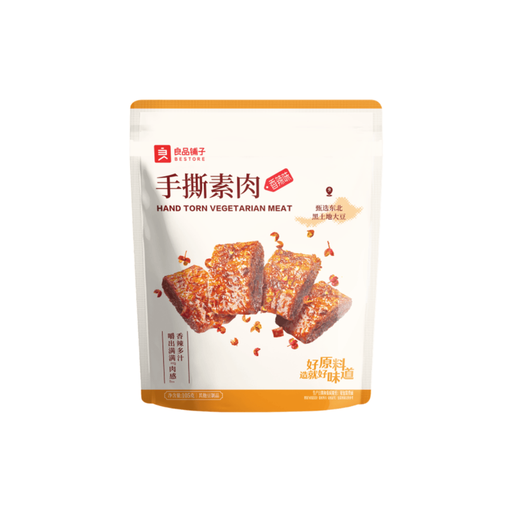
Why This Fits Their Persona: Ideal for those seeking a substantial, savoury snack to replace crisps or sweets. It offers a high protein content and a satisfying, fibrous texture that makes it a more filling option for post-workout or afternoon cravings.
This product directly counters the "Texture Mismatch" pitfall. Its soy-based, hand-shredded format is specifically designed to create a meat-like, fibrous chew, avoiding a rubbery or mushy feel.
A high protein vegetarian snack with 20g of protein per 100g. The seasoning includes cumin and chilli for a classic spicy flavour.

Why This Fits Their Persona: A great starting point for those new to chewy Asian snacks. It offers a satisfyingly firm, gluten-based texture and a delicious spicy flavour that is flavourful without being overwhelmingly intense or numbing.
It provides a balanced experience. The flavour is rich and spicy but approachable, and the texture is distinctly chewy and firm, delivering on the "vegetarian tendon" description without being rubbery.
Made from wheat gluten, offering a different chewy texture to soy or konjac. It is also a good source of plant-based protein (17.5g per 100g).
We have compiled a complete, real-time list of products that fully satisfy these strict selection criteria and UK safety regulations.
1. What exactly is a konjac snack? A konjac snack is made from the flour of the konjac root, a vegetable grown in parts of Asia. The flour is mixed with water and other ingredients to form a gel, which is then processed and seasoned. The result is a snack with a very distinctive springy, chewy and slightly crisp texture, which is why it is often used as a vegetarian alternative to seafood or tripe.
2. Are spicy vegetarian snacks a healthy choice? It depends entirely on the product. While the base ingredients like soy, wheat, or konjac can be part of a balanced diet, the final health profile is determined by the added seasonings, oils, sugars and sodium. They can be a good source of protein, but it is always best to check the nutritional information on the packaging to see if it fits your personal dietary needs and to enjoy them as part of a varied diet.
3. How should I store these types of snacks? Most of these snacks are shelf-stable and come in vacuum-sealed packaging. They should be stored in a cool, dry place away from direct sunlight. Once a packet is opened, it is generally recommended to consume it promptly for the best texture and flavour. For larger packs or if you do not finish a portion, check the packaging instructions—some may advise refrigeration after opening.