Single-serve smoothie makers
If you usually make one drink, a compact cup-based blender may be easier to store and leave less vessel to wash. Compare the cup’s usable capacity with your usual serving.


Choose a personal blender if you usually make one spinach smoothie at a time; choose a jug blender if several people will share a batch. For either format, check the exact model’s guidance for green smoothies, its usable capacity and which parts can be washed easily. Wattage alone cannot establish which blender will leave fewer pieces of spinach.
If you usually make one drink, a compact cup-based blender may be easier to store and leave less vessel to wash. Compare the cup’s usable capacity with your usual serving.
If several people want smoothies from one blend, a jug’s usable capacity matters more than its headline size. Check that a shared batch will fit without repeated cycles.
In a shared kitchen, cupboard space, access to the sink and disturbance to flatmates can matter as much as the blending format. Check the cleaning instructions and seek measured noise information if quiet operation is important; a brand’s description of a model as quiet is not a comparison.
Decide whether you normally need one drink or a shared batch, then check ingredient guidance and cleaning requirements for the exact model. A cordless option can help when access to a socket is awkward, but portability alone says nothing about spinach texture or measured noise.
| Concern | What to check | Who this matters to |
|---|---|---|
| Spinach texture | Look for exact-model guidance on green smoothies or leafy ingredients. Do not treat wattage as a texture test. | If leafy pieces would spoil my drink, ingredient-specific guidance comes before capacity or convenience; around 33% of consumers put texture first. |
| Cleaning turnaround | Identify the removable, dishwasher-safe components and follow the model’s blade-cleaning instructions. | When the sink must be left clear for flatmates, I want parts I can clean promptly; roughly 27% of consumers prioritise cleaning turnaround. |
| Serving capacity | Compare stated usable or useful capacity with the number of drinks you normally make, rather than relying on headline jug volume. | If we usually share a batch, repeated single-cup cycles are inconvenient; around 20% of consumers place serving capacity first. |
| Shared-space use | Check storage space and socket access; seek model-specific measured noise information if disturbance is decisive. | I need to store the blender and use it without taking over the kitchen; roughly 20% of consumers make shared-space use their primary concern. |
Bosch lists different power and speed figures for its MMB2111SG mini blender and MMB6174SG jug blender, but those specifications are not a like-for-like texture test.
Check whether the exact model is described for green smoothies or leafy ingredients, then consider its capacity and cleaning design.
Tefal lists a 1.9 L jar but a 1.25 L useful capacity for the Blendforce BL5958G0. The distinction can change whether one blend covers everyone’s portions.
Plan servings around stated useful or usable capacity.
A dishwasher-safe-parts claim applies to specified components, not automatically to the motor base, seals or every blade-related part.
Follow the exact model’s care instructions and clean residue from the parts that require attention after a leafy smoothie.
Ninja describes its BC151UK portable range as quiet and compact, but that description does not establish how its noise compares with another blender.
If disturbance could affect flatmates, look for comparable model-specific measurements or an independent noise test before choosing on that basis.
Bosch has relevant mini and jug models for comparing one-drink preparation with shared batches.
Ninja offers personal, multi-serve and portable blender formats relevant to different shared-kitchen routines.
Tefal has jug models with cleaning features worth considering when a blender will be shared.
Kenwood’s distinction between drink-focused smoothie makers and more versatile blenders may help clarify which controls you need.
These choices include personal and portable cups for individual drinks, alongside jug blenders to consider for shared batches. Check the exact model’s spinach guidance and cleaning instructions before deciding.
 No image available
Consider this cordless cup format if you usually make one drink and need to keep the shared worktop clear. The product name lists USB-C charging and a to-go lid. Check the ingredient guidance for your spinach recipe and seek measured noise information if disturbance matters.
 No image available
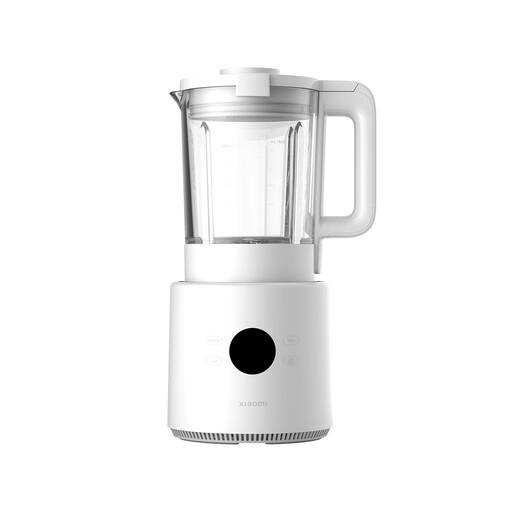
Consider this jug format if you want to prepare drinks for more than one person. Check its usable cold-drink capacity, spinach guidance, cleaning instructions and storage dimensions against your household’s needs.
 No image available
The two-bottle format suits separate personal drinks rather than assuming one large shared batch. Its product name lists a 300 W rating; that figure does not establish spinach texture. Check the bottle capacities, leafy-ingredient guidance and care instructions for this model.
 No image available
Consider the 900 ml cup if you want a larger personal serving rather than a shared jug. The product name lists a 1200 W rating and two blending options; neither establishes how smooth a spinach recipe will be. Check leafy-ingredient instructions and measured noise information if those points decide your choice.
 No image available
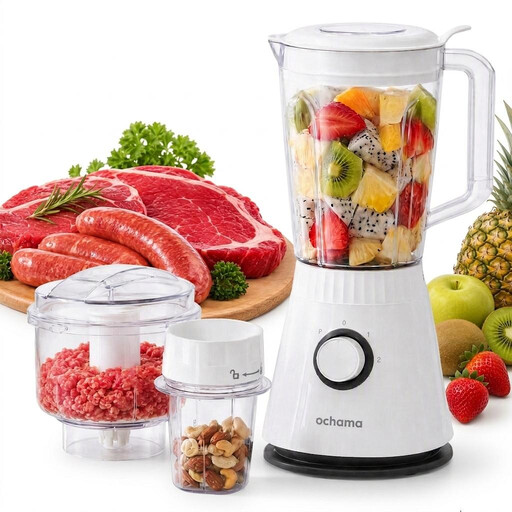
Consider this jug if you normally prepare a shared batch. The product name lists three speed settings and ice crushing alongside its 1.5 L capacity, but those details do not establish spinach texture. Confirm usable capacity, leafy-ingredient guidance, cleaning requirements and the space needed to store it.
Choose a personal blender for one drink at a time, or a jug blender when several people will share a batch. Compare stated usable capacity with your normal serving count, then check the exact model’s spinach guidance and cleaning instructions.
Wattage alone cannot tell you that. Models differ in their blades, vessels and controls, so look for exact-model guidance on green smoothies or leafy ingredients rather than treating motor ratings as a like-for-like texture test.
No. Put only components identified as dishwasher-safe in the dishwasher and follow the model’s care instructions; the claim does not automatically cover the motor base or every blade-related component.
For products placed on the Great Britain market, Department for Business and Trade guidance dated 21 August 2026 says these markings indicate that the manufacturer believes the product meets relevant requirements. They are not a measure of how well a blender processes spinach; check the exact model’s instructions for that decision.
Check your local authority’s or retailer’s electricals-recycling options. UK government guidance on waste electrical and electronic equipment describes a framework intended to encourage recovery, reuse and recycling of products and components.