Who is choosing?
The useful choice depends more on the session and the food you can have afterwards than on whether a drink is fizzy.
Recreational gym-goers choosing a snack
If your session lasts under an hour, consider water alongside an ordinary snack or meal. The British Heart Foundation’s guidance for exercise of this length focuses on regular meals containing protein, rather than a particular post-exercise drink.
People training hard or again soon
If a session is prolonged or another demanding session is close, consider how you will get fluids and carbohydrate as well as food. Check the drink’s carbohydrate information instead of assuming every electrolyte drink provides it.
Competitive athletes checking product details
If product-testing status matters to you, check the exact drink and current testing information before buying. A still sports drink may suit your format preference, but the drink alone should not be assumed to cover your food needs.
What matters when buying?
Decide whether you need a drink alongside food or are mainly choosing a flavour and texture. Then compare the exact bottle’s nutrition information, ingredients and serving size.
| Priority |
What to check |
Your needs |
| Session demands |
Consider the session’s duration and intensity, how much you have sweated and whether you will train again soon. Compare carbohydrate and electrolyte information if those are relevant to your plan. |
For a routine gym visit, I would rather have water and food than buy a sports drink automatically. For a long or demanding session followed by more training, I need to think about fluids and carbohydrate. |
| Food alongside the drink |
Check the drink’s protein and carbohydrate information, then decide what food you will have with it. The British Heart Foundation advises regular protein-containing meals for exercise lasting under an hour. |
A bottle is convenient, but I do not want to mistake a hydration drink for my whole post-gym snack. |
| Fizz and drink type |
Read the product description for carbonation and whether it is labelled as a sports, electrolyte or energy drink. Check caffeine and carbohydrate on the exact pack. |
I like a sparkling drink, but I want to know what is in it rather than treating fizz as a sign of sports-drink suitability. |
| Serving and ingredients |
Compare nutrition per 100ml with the bottle’s serving size. Read the ingredients and any suitability warning that matters to you. |
Before buying a multipack, I want to know what one bottle contains and whether its ingredients meet my requirements. |
| Product claims |
Check what a claim refers to and compare it with the stated nutrition information and your intended use. A sports-drink description does not establish a need after every workout. |
I want the drink’s contents to inform my choice, not a general performance message to make it for me. |
Relevant brand references
These examples distinguish drink formats and product lines; a brand name alone does not establish whether a particular bottle is sparkling or suitable as a snack.
Lucozade Sport
Tesco lists Lucozade Sport Orange as an isotonic drink containing carbohydrate and electrolytes, described for use during prolonged endurance exercise.
- A named sports-drink line to compare when carbohydrate and electrolytes are relevant.
- Do not use the name Lucozade alone to determine carbonation: check the specific Sport bottle rather than a different product line.
Powerade
Tesco’s sports-drinks catalogue lists a Powerade Golden Mango isotonic sports-drink multipack.
- The listed multipack provides a specific sports-drink format to compare.
- Check the exact variant’s nutrition panel and carbonation description before comparing it with a sparkling option.
Gatorade
Gatorade UK describes its Hydration Booster as a carbohydrate-and-electrolyte mix in a sachet.
- A mix-to-drink format if you prefer to prepare the drink when needed.
- A sachet is not a ready-to-drink sparkling bottle or, on its own, a complete snack.
Carabao SPORT
Carabao describes its SPORT drink as an uncarbonated, caffeine-free isotonic drink in a 500ml bottle.
- A clearly described still format for someone avoiding carbonation or caffeine.
- It does not meet a sparkling-drink preference; check any product-testing statement against the exact variant if that matters to you.
Joybuy drink options
These options include carbonated isotonic and electrolyte drinks alongside other bottled sports drinks for a post-gym purchase. Check whether each bottle contains the carbohydrate you want and what food you will have with it; carbonation is not stated for every option.
 No image available
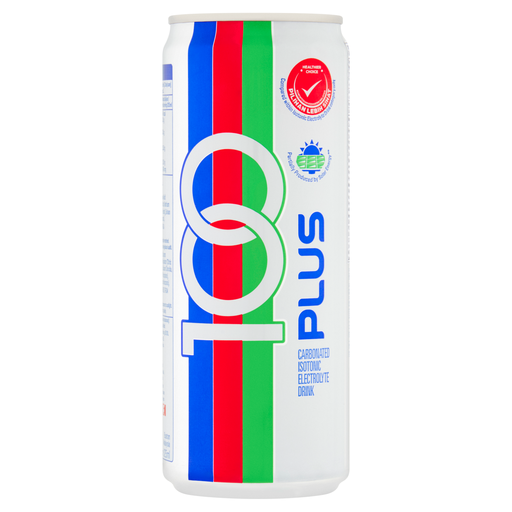
F&N 100 Plus Malaysian Carbonated Isotonic Drink 325ml
For someone who wants fizz in a drink labelled isotonic to have alongside food after exercise. The listing describes a carbonated electrolyte drink in a 325ml serving and states 4.9g carbohydrate per 100ml and 0g protein; it is not a substitute for a protein-containing snack.
View on Joybuy
 No image available
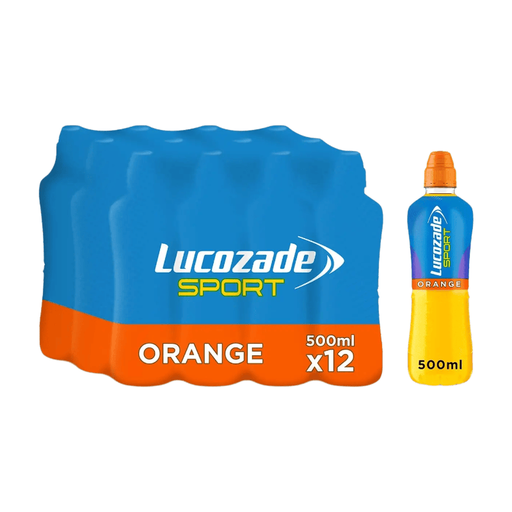
Lucozade Sport Orange 12 × 500ml
A bottled isotonic option to consider when carbohydrate and electrolytes fit your exercise plans; Tesco describes Lucozade Sport Orange in connection with prolonged endurance exercise. This pack contains 12 × 500ml bottles. Check the exact label if carbonation matters: the listing does not state whether it is sparkling. The listing also cautions that it contains aspartame, a source of phenylalanine, and is unsuitable for people with phenylketonuria.
View on Joybuy
 No image available
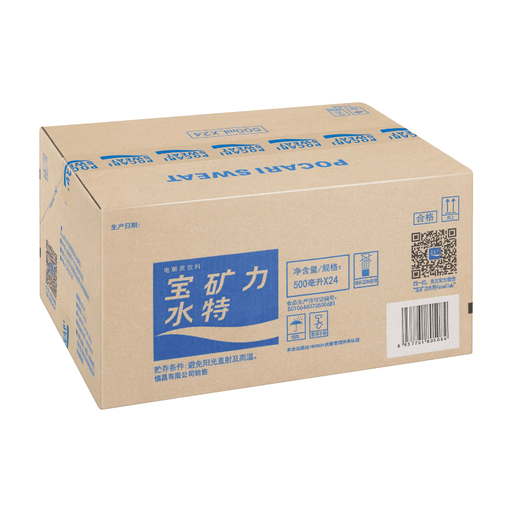
Pocari Sweat Sports Drink 24 × 500ml
A bottled sports drink to consider alongside food when its carbohydrate and salt information fits what you are looking for. The pack contains 24 × 500ml bottles, and the listing states 0g protein per 100ml. If fizz is important, check the exact bottle label before buying; carbonation is not stated in the listing.
View on Joybuy
 No image available
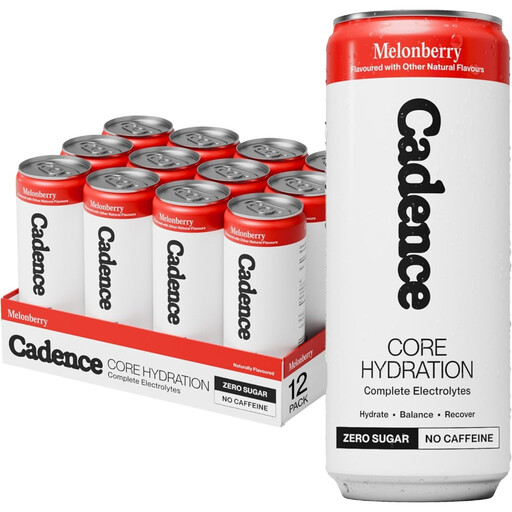
Cadence Core Hydration Melonberry Flavour 12 × 330ml
A carbonated electrolyte drink to consider alongside a snack if fizz is the main preference. The listing specifies a 12 × 330ml pack and states 0g carbohydrate and 0g protein per 330ml bottle. Do not treat it as a way to obtain carbohydrate after training.
View on Joybuy
Common questions
Do I need a sports drink after a normal gym workout?
Not solely because you exercised. For sessions lasting under an hour, the British Heart Foundation advises regular meals containing protein across the day; water and an ordinary snack or meal are a starting point. Consider the session’s demands and how soon you will train again before choosing a drink for additional carbohydrate or electrolytes.
When should I consider a carbohydrate-electrolyte drink?
Consider one when a hard or prolonged session, substantial sweating or another demanding session soon afterwards makes its carbohydrate and electrolyte content relevant to your plans. Check the amount in the serving you will drink, and consider what food you will have alongside it.
Does a sparkling sports drink replace a post-gym snack?
No: carbonation does not tell you whether a drink contains protein or enough carbohydrate for what you intend. Check the exact bottle’s nutrition declaration and plan food separately if the drink does not cover what you want from a snack.
Can I treat a sparkling energy drink as a sports drink?
Not on the basis of its fizz or brand name. Check the exact drink’s caffeine, carbohydrate, sugars and electrolyte information, as well as its stated product type, before deciding whether it fits your post-exercise plans.
What should I read on a drink label before buying?
Check the serving size, nutrition declaration, ingredients, allergens and any caffeine statement on the exact pack. Compare those details with the food you plan to have and what you need from the drink; a performance claim alone cannot make that decision for you.


