Parents choosing an everyday after-school drink
When there has been no sustained, demanding exercise, the question is what to offer with a snack or for ordinary thirst. The NHS recommends water and milk as children’s main drinks.


For a child having a drink after an ordinary school day, do not make a sparkling sports drink the routine choice: the NHS recommends water and milk as children’s main drinks. If fizz is the point, consider sparkling water; if the drink has a specific exercise-fuelling purpose, assess a still sports drink separately and check that a fizzy, sports-associated product is not an energy drink.
When there has been no sustained, demanding exercise, the question is what to offer with a snack or for ordinary thirst. The NHS recommends water and milk as children’s main drinks.
A longer or more demanding session raises a different question: whether there is a reason to consider carbohydrate and electrolytes, rather than choosing a drink for its fizz. Check the activity and the particular product’s label.
If carbonation is the preference and exercise fuelling is not the aim, sparkling water is a separate option from an isotonic sports drink. Consider how often it will be sipped as well as what is on the label.
Decide whether the drink is for ordinary refreshment or a particular exercise session, then check the exact product category and label.
| Priority | What to check | Your needs |
|---|---|---|
| Everyday drink | Is this for ordinary thirst after school? The NHS recommends water and milk as children’s main drinks. | I’m choosing something to have with a snack, not fuel for a demanding exercise session. |
| Fizz and product type | Read the full product name: Tesco describes Lucozade Energy Sparkling Orange as a sparkling glucose drink, while Coca-Cola Great Britain describes Powerade as a still isotonic sports drink. | I want fizz, but I do not want a familiar sports-associated name to decide which type of drink I buy. |
| Exercise purpose | Consider the activity before looking for carbohydrate and electrolytes. University College London Hospitals NHS Foundation Trust says snacks for energy may be needed during activities lasting longer than 60 minutes; that does not make a sports drink necessary for every session. | There is a specific training session, so I need to assess its demands rather than assume every after-school drink serves a sports purpose. |
| Sugar and serving size | Compare sugars per 100ml with the amount you expect to drink. Check the whole bottle as well as the per-100ml figure; the NHS publishes age-specific guidance on children’s daily sugar intake. | If a child might finish the bottle, I want to understand the sugar amount for that serving, not just the smaller figure on the nutrition panel. |
| Caffeine and frequent sipping | Check the caffeine declaration on a fizzy or energy-branded drink. Wirral Community Health and Care NHS Foundation Trust also notes that fizzy drinks may contain acids harmful to teeth, including when they are sugar-free. | For a drink that might become a regular habit, I care about more than whether the label says sugar-free. |
Tesco describes Lucozade Energy Sparkling Orange as a sparkling glucose drink; Coca-Cola Great Britain describes Powerade as a still isotonic sports drink. Fizz and branding do not identify the same product category.
Read the exact name and category before deciding whether the purchase is for refreshment or exercise fuelling.
The amount consumed depends on how much of the bottle is drunk. This matters when a drink bought for an after-school snack becomes the whole serving.
Check sugars per 100ml and the bottle volume, then consider the resulting serving amount alongside the child’s other food and drinks.
Wirral Community Health and Care NHS Foundation Trust notes that fizzy drinks may contain acids harmful to teeth even when they are sugar-free.
Check the product type as well as its sugar label, and avoid making prolonged sipping of fizzy drinks an everyday habit.
Some soft drinks contain caffeine. An energy drink should not be treated as interchangeable with a sports drink because both sit near sports-related products.
Read the caffeine statement and the full product category when choosing a drink for a child or teenager.
These product lines illustrate why a brand name alone does not establish whether a drink is sparkling, isotonic or ready to drink.
Lucozade presents Sport as a sports-drink range. Tesco lists Lucozade Sport in its sports-drinks category separately from Lucozade Energy Sparkling Orange.
Coca-Cola Great Britain describes Powerade as a still isotonic sports drink containing carbohydrate and electrolytes.
Gatorade UK presents Hydration Booster as sachets to mix into water, rather than a ready-to-drink sparkling option.
These sparkling waters address a preference for fizz with an after-school snack. They are refreshment options, not substitutes for an isotonic drink chosen for a specific exercise-fuelling purpose.
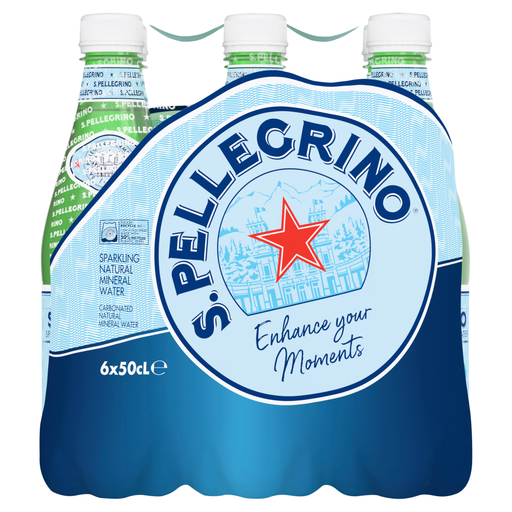 No image available
A sparkling-water option when fizz is the preference rather than sports fuelling. The pack contains six 0.5L bottles; check the nutrition label if sugar information affects your choice.
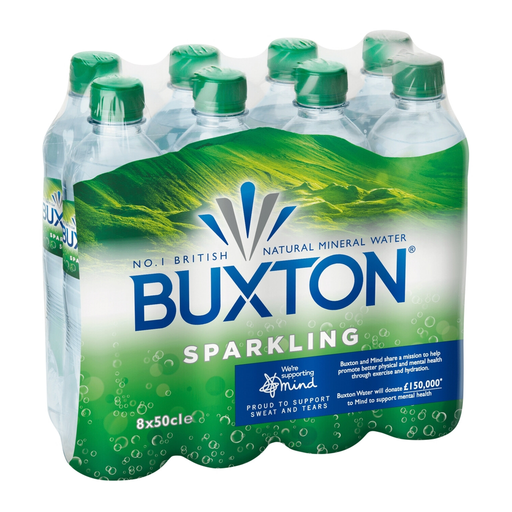 No image available
For an after-school drink chosen for carbonation rather than an isotonic sports-drink function. The pack contains eight 500ml bottles; consider how much will be drunk at one time.
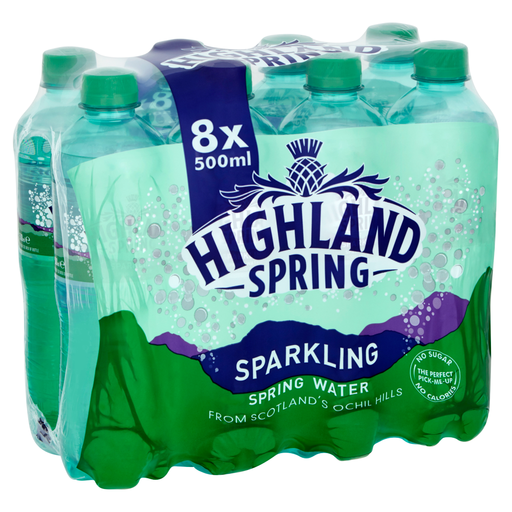 No image available
A sparkling spring water for someone seeking fizz rather than exercise fuelling. The pack contains eight 500ml bottles; check the pack label for carbonation and nutrition details important to your choice.
For an ordinary school day without a particular exercise-fuelling need, start with water or milk, which the NHS recommends as children’s main drinks. If the preference is for fizz rather than sports-drink ingredients, sparkling water is a different option; consider the NHS trust’s advice about acids in fizzy drinks and avoid prolonged sipping.
Consider its stated purpose when there is a defined, demanding activity, not simply because school has finished. Coca-Cola Great Britain describes Powerade as a still isotonic drink containing carbohydrate and electrolytes; University College London Hospitals NHS Foundation Trust notes that snacks for energy may be needed during activities lasting longer than 60 minutes. Neither point means every such session requires a sports drink.
No. Coca-Cola Great Britain describes Powerade as a still isotonic sports drink, so it does not meet a requirement for fizz.
Not necessarily. Tesco describes Lucozade Energy Sparkling Orange as a sparkling glucose drink and lists Lucozade Sport separately among sports drinks. Check the full product name, nutrition panel and caffeine statement rather than relying on the shared brand name.