For an ordinary after-school snack, start with water: the NHS identifies water and milk as the preferred drinks for children. An older teen or adult who specifically wants a sports-drink format without sugar can compare zero-sugar labels; a carbohydrate-containing isotonic drink serves a different, exercise-fuelling purpose and should not become a routine children’s snack drink.
Who is choosing the drink?
Parents choosing an everyday drink
For ordinary after-school thirst, the distinction is between hydration and a drink intended for sport. The NHS identifies water and milk as the preferred drinks for children, so a sports drink need not accompany a routine snack.
Older teens considering a zero-sugar option
If a flavoured sports-drink format is wanted around light activity, compare the exact bottle’s sugar, carbohydrate, ingredients and sodium rather than relying on the word “sport”.
People choosing a drink for prolonged training
An adult considering carbohydrate during exercise has a different reason to look at an isotonic drink. Sainsbury’s describes Lucozade Sport Raspberry as a drink for adults who train or take part in sport; that positioning does not make it an everyday snack drink for children.
What should you check?
Decide whether the drink is for ordinary thirst, a sugar-free sports-drink format or carbohydrate during exercise. Then compare the nutrition panel for the amount you expect to drink.
Water
Choose when: the drink is for a routine after-school snack or casual activity.
Trade-off: water does not provide the carbohydrate offered by standard isotonic sports drinks.
Zero-sugar sports drink
Consider when: an older teen or adult wants a flavoured sports-drink format around light activity without sugar.
Trade-off: zero-sugar options do not serve the same carbohydrate-fuelling purpose as standard isotonic drinks.
Carbohydrate-containing isotonic drink
Consider when: an adult specifically wants carbohydrate alongside fluid during prolonged exercise.
Trade-off: it also adds sugar, making it a different choice from water or a zero-sugar drink for an ordinary snack.
| Priority | What to check | Your needs |
|---|
| Everyday hydration |
Decide whether the drink is simply for thirst after school. The NHS identifies water and milk as the preferred drinks for children. |
For a routine snack or casual play, I want a drink for thirst rather than exercise fuel. |
| Sugar per bottle |
Read sugars per 100 ml and the bottle size. Sainsbury’s lists Lucozade Sport Raspberry at 3.5 g sugars per 100 ml; ASDA lists Lucozade Sport Zero Orange & Peach at 0 g per 100 ml. |
If I am avoiding sugar in an after-school drink, I need to compare the amount I would actually consume, not just the front label. |
| Exercise fuel |
Check carbohydrate as well as sugar. Sainsbury’s lists approximately 16 g carbohydrate per 250 ml serving of Lucozade Sport Raspberry; a zero-sugar label does not establish the same fuelling role. |
For prolonged training, I may be looking for carbohydrate; for ordinary thirst, that is not my reason for choosing a drink. |
| Ingredients and warnings |
Read the exact product’s ingredients, sodium information and safety statements. Check its caffeine status rather than assuming every drink on a sports-drink shelf is the same. |
Before buying a multipack, I want the warnings and formulation to suit the person who will drink it. |
Common buying mistakes
-
Treating an isotonic drink as an ordinary snack drink
Standard sports drinks can contain sugar: Sainsbury’s lists 3.5 g sugars per 100 ml for Lucozade Sport Raspberry. Its exercise positioning does not change the purpose of an everyday after-school drink.
For routine thirst, start with water. Consider a carbohydrate-containing drink for a specific exercise-fuelling purpose instead.
-
Expecting zero sugar to provide carbohydrate fuel
ASDA lists Lucozade Sport Zero Orange & Peach at 0 g sugars per 100 ml, while the standard Raspberry drink is listed by Sainsbury’s with carbohydrate per serving. They address different buying priorities.
If carbohydrate during exercise is the reason for buying, check the carbohydrate figure on the exact drink rather than choosing by its sports branding.
-
Skipping the label on a multipack
Flavours and variants can have different ingredients or warnings. The Lucozade Sport Raspberry listing states that it contains a source of phenylalanine.
Check the exact bottle’s ingredients, warnings, pack size and best-before date before buying several at once.
Relevant brand ranges
These UK product examples illustrate the difference between zero-sugar variants and carbohydrate-containing sports drinks; a brand name alone does not identify the formulation.
Lucozade Sport
The Orange & Peach Zero variant and standard Raspberry drink have different nutrition profiles and stated uses.
- ASDA lists Lucozade Sport Zero Orange & Peach at 0 g sugars per 100 ml and describes it as intended for low-intensity exercise.
- Sainsbury’s lists standard Lucozade Sport Raspberry at 3.5 g sugars per 100 ml and directs it to adults who train or take part in sport.
Powerade
The UK range includes a carbohydrate-containing isotonic drink and a separately listed Zero variant.
- Tesco lists Powerade Zero Berry Tropical at 0 g sugars per 100 ml.
- Coca-Cola GB lists 4.1 g sugars per 100 ml for standard Powerade Berry & Tropical Fruits. Check the exact variant rather than applying the Zero label to the range.
Sports-drink options on Joybuy
These options represent two sports-drink choices: an adult-focused zero-sugar hydration drink and a carbohydrate-containing isotonic drink. For an ordinary children’s after-school snack, water remains the starting point.
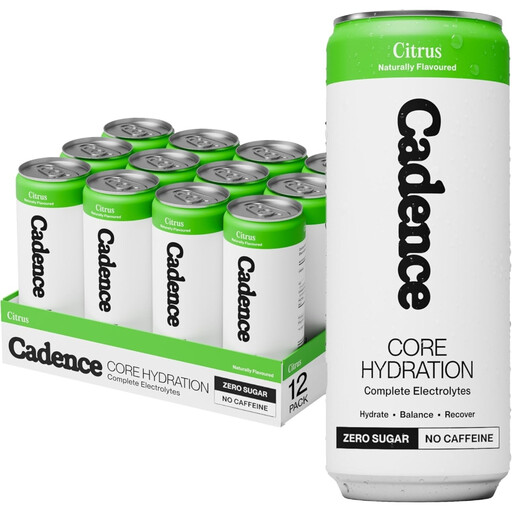 Image unavailable
Cadence Core Hydration Drink Citrus, 12 x 330 ml
An adult-focused option to consider when a zero-sugar sports-style drink is wanted around exercise, rather than a routine drink for a school-age child.
Check the exact can’s sugar, carbohydrate, salt and caffeine information before buying.
View on Joybuy
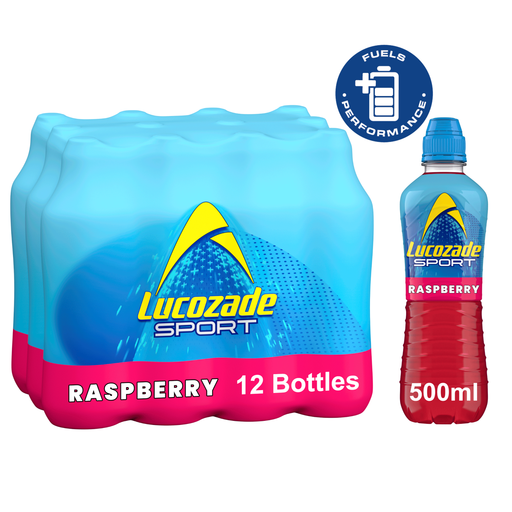 Image unavailable
Lucozade Sport Raspberry isotonic drink, 12 x 500 ml
A carbohydrate-containing option for an adult considering a drink during exercise, not a zero-sugar choice for an everyday after-school snack.
The Joybuy product information lists 3.5 g sugars per 100 ml for this 12 x 500 ml pack. Check the phenylalanine warning on the exact bottles.
View on Joybuy
Questions about after-school drinks
Should children have a sports drink with an everyday after-school snack?
For ordinary thirst, start with water rather than making a sports drink the usual snack accompaniment. The NHS identifies water and milk as the preferred drinks for children.
What changes when I choose a zero-sugar sports drink?
You avoid the sugar listed in a standard variant, but should not assume the drink supplies carbohydrate for exercise. ASDA lists Lucozade Sport Zero Orange & Peach at 0 g sugars per 100 ml, whereas Sainsbury’s lists carbohydrate in standard Lucozade Sport Raspberry. Compare the exact bottles for your intended use.
Is a zero-sugar sports drink the same as water?
No. A zero-sugar sports drink is a formulated, flavoured product; its ingredients need checking separately. For children’s ordinary hydration, the NHS identifies water as a preferred drink.
Should I check for a phenylalanine warning?
Yes, when that warning is relevant to the person drinking it. The Lucozade Sport Raspberry listing states that it contains a source of phenylalanine; check the label on the exact variant and pack you buy.


