Weekend exercisers
If a run, ride, gym session or team sport follows breakfast, decide whether you want carbohydrate in your drink for that activity or simply want something to drink alongside your food.


For an ordinary weekend breakfast, water is the straightforward choice for a drink; the NHS recommends it for replacing lost fluids. If you want a flavoured sports drink while avoiding sugar, compare zero-sugar options. A carbohydrate-containing drink is more relevant when you deliberately want carbohydrate alongside electrolytes for planned exercise; check its label against the amount you expect to drink, and keep breakfast food separate.
If a run, ride, gym session or team sport follows breakfast, decide whether you want carbohydrate in your drink for that activity or simply want something to drink alongside your food.
A zero-sugar drink may appeal if you want a flavoured option without the sugar in a regular sports drink. It does not replace breakfast food.
Bottles and powders can state nutrition for different serving sizes. Compare the amount you will actually drink, as well as ingredients that matter to you.
Start with your plans after breakfast, then compare the drink’s sugar, carbohydrate and ingredients using the serving size you would actually consume.
| Priority | What to check | Your needs |
|---|---|---|
| Everyday fluid choice | Ask whether breakfast is followed by planned exercise. For ordinary fluid intake, the NHS recommends water for replacing lost fluids. | I mainly want something to drink with breakfast, without choosing an exercise formulation I do not intend to use. |
| Sugar choice | Compare sugars per 100ml and for the amount you will drink. Check whether a product is labelled zero sugar rather than assuming every sports drink has the same formulation. | If I want a flavoured drink while avoiding sugar, I can compare zero-sugar options instead of picking a regular isotonic drink by flavour alone. |
| Carbohydrate for activity | Check carbohydrate per serving and the exercise use described for the exact product. Tesco lists approximately 16g carbohydrate per 250ml serving of Lucozade Sport Raspberry; a 500ml bottle contains two such servings. | For planned exercise, I want to decide whether carbohydrate in my drink is intentional, rather than treating every sports drink as an ordinary breakfast beverage. |
| Pack and serving size | Compare nutrition per 100ml with the bottle or prepared-drink total. For powder, follow the mixing instructions; Gatorade UK specifies 500ml water for its Hydration Booster sachet. | I am likely to drink the whole bottle or make up a full sachet, so the stated serving needs to match what ends up in my glass. |
| Ingredients and salt | Read the ingredients, sweetener declarations, salt information and any warnings on the precise flavour and pack. Where present, traffic-light labels can help compare sugar and salt, as GOV.UK explains. | A zero-sugar claim does not answer my questions about sweeteners or other ingredients; I want to check the actual pack. |
A drink labelled calorie-free does not provide the food energy of a meal. Powerade Zero is described as zero sugar and calorie-free by Tesco.
Choose breakfast food separately, then decide which drink fits your plans.
Regular Lucozade Sport Raspberry is listed with carbohydrate for exercise use, while Tesco describes Powerade Zero as zero sugar. Those are different choices when carbohydrate intake is the deciding factor.
Check the exact variant and consider whether you intend to consume carbohydrate during your planned activity.
Tesco gives Lucozade Sport Raspberry’s carbohydrate figure per 250ml serving, although the bottle contains 500ml.
Use the bottle volume or prepared-drink volume when working out how much of the labelled serving you expect to consume.
Tesco describes Powerade Zero as a sugar-free drink with sweeteners. A sugar claim alone does not describe its full ingredient list.
Read the ingredients and any warnings on the exact flavour and pack, particularly when a particular ingredient matters to you.
The Raspberry regular sports drink and the separately listed Zero Sugar range serve different sugar preferences.
The Berry & Tropical isotonic drink and Powerade Zero Berry Tropical are distinct product options.
Gatorade UK’s Hydration Booster comes as a powder sachet rather than a ready-to-drink bottle.
These bottled sports and electrolyte drinks give you options to compare for a sugar-conscious breakfast or planned activity. Check each pack’s nutrition information before deciding whether it fits your drink choice.
 No image available
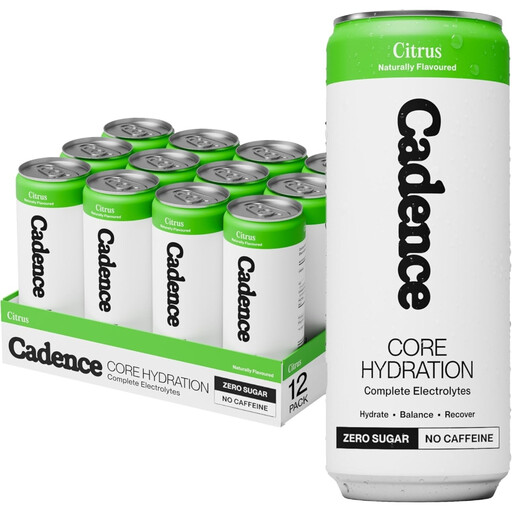
Consider this citrus drink when comparing options for a sugar-conscious breakfast. Check the current pack’s sugar, carbohydrate and salt information against your priorities; the pack contains twelve 330ml drinks.
 No image available
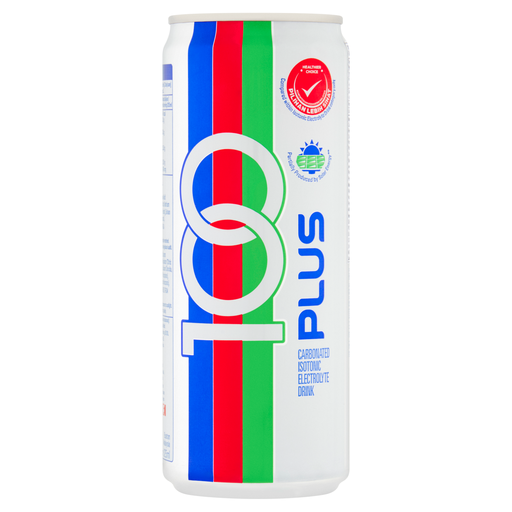
This 325ml carbonated isotonic drink is an option to compare when you are deliberately choosing a sports drink around activity. Check its sugar and carbohydrate information for the whole drink if avoiding sugar is your breakfast priority.
 No image available
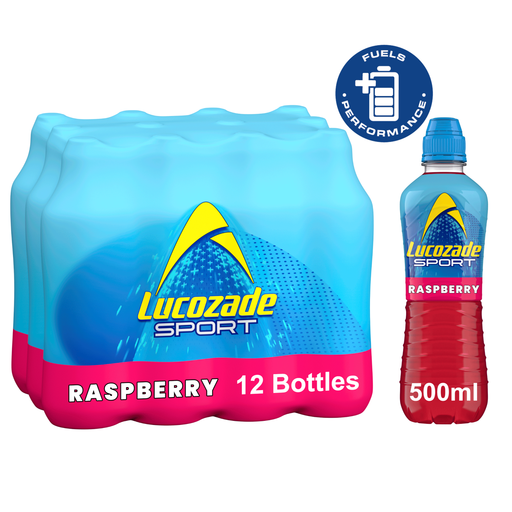
This regular Raspberry variant is worth comparing when you intend to have a carbohydrate-containing drink around exercise, not when you want zero sugar. Tesco lists approximately 16g carbohydrate per 250ml serving of Lucozade Sport Raspberry; check the label for the full 500ml bottle and its ingredient warnings.
 No image available
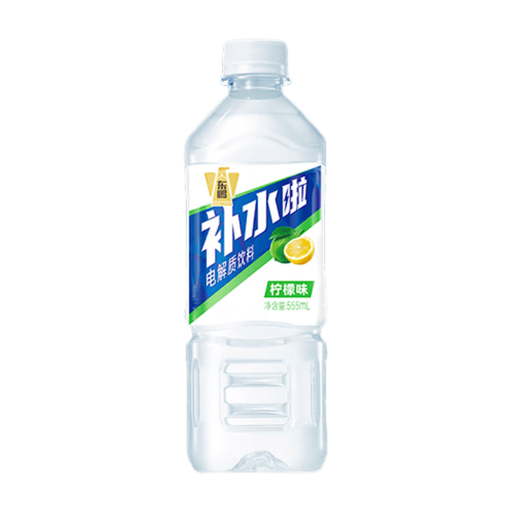
This 555ml lemon electrolyte drink is another option to compare for activity. Its listed ingredients include sugar, so it does not fit a zero-sugar breakfast preference; check the pack’s nutrition panel for the amount you would drink.
Not for ordinary fluid intake: the NHS recommends water for replacing lost fluids. If exercise follows breakfast, decide separately whether you intend to have carbohydrate in your drink.
Choose according to whether you intend to consume carbohydrate in the drink. Tesco describes Powerade Zero as zero sugar and calorie-free, while its Lucozade Sport Raspberry listing states approximately 16g carbohydrate per 250ml serving. Consider your planned activity and the rest of your breakfast rather than assuming the two drinks serve the same purpose.
No. Tesco describes Powerade Zero as a sugar-free drink with sweeteners. Read the ingredient list for the precise flavour and pack if a particular sweetener matters to you.
Compare nutrition for the amount you will drink, not just the stated serving. Gatorade UK instructs shoppers to prepare its Hydration Booster sachet with 500ml water; for a bottle, check its volume against the serving used on the nutrition panel.
Check sugars, carbohydrate, salt, ingredients and any warnings on the exact pack. GOV.UK explains that traffic-light labelling, where present, helps with an at-a-glance comparison of sugar and salt, but the serving size and ingredient list provide further detail.