Routine weekday breakfast drinkers
If you are heading to work, study or a commute without prolonged exercise, you need not assume a sports drink is necessary for ordinary hydration. The NHS recommends water as a way to replace fluids after sweating.


For an ordinary weekday breakfast without prolonged exercise, choose water or another lower-sugar drink alongside food rather than assuming you need a sports drink. A zero-sugar sports drink is an option if you prefer its flavour or format; a carbohydrate-containing one is more relevant when planned exercise makes carbohydrate and fluid replacement useful. Check the label of the exact drink and serving you intend to have.
Whether exercise is part of the morning changes what you need from a drink.
If you are heading to work, study or a commute without prolonged exercise, you need not assume a sports drink is necessary for ordinary hydration. The NHS recommends water as a way to replace fluids after sweating.
If you exercise before breakfast but want to limit free sugars, distinguish a zero-sugar drink from one containing carbohydrate. Compare the sugars and serving size on the exact label rather than relying on the word ‘sport’.
For prolonged morning activity, consider fluid loss and whether carbohydrate is relevant to the session. The British Dietetic Association advises replacing more fluid when more is lost through sweat; a drink still does not take the place of choosing breakfast food.
Start with the morning you have planned, then compare sugar and serving information for drinks that fit it.
Choose when: Breakfast is followed by an ordinary desk, study or commuting morning rather than prolonged exercise.
Bear in mind: This choice does not provide the carbohydrate found in some sports drinks if your planned activity calls for it.
Choose when: You want a sports-drink-style flavour or format without the sugar in a standard sugary version.
Bear in mind: Zero sugar does not make electrolytes necessary for an ordinary morning or turn a drink into breakfast.
Choose when: Planned exercise makes carbohydrate and fluid replacement relevant; Tesco describes its regular Lucozade Sport Orange drink for prolonged endurance exercise.
Bear in mind: Sugars contribute to daily free-sugar intake, so this is not the default choice for a non-exercise breakfast.
| Priority | What to check | Your needs |
|---|---|---|
| Sugar | Compare sugars per 100ml and per serving, including the amount you expect to drink. The NHS advises limiting the frequency and amount of sugary drinks. | I want a drink for an ordinary morning without adding free sugars unnecessarily. |
| Activity | Consider how long you will exercise and how much fluid you may lose through sweat. Check whether a drink contains carbohydrate rather than assuming every sports drink serves the same purpose. | If I am training for a prolonged period, my drink choice should reflect that activity; a desk-bound morning calls for a different decision. |
| Label comparison | Compare energy, sugars and salt on the same per-100ml or serving basis. Check the nutrition declaration and any front-of-pack traffic-light label present. | I want to compare the actual drinks, not just their front-label claims. In the Food Standards Agency and Ipsos Northern Ireland survey conducted in September–November 2024, 49% of 611 respondents said they actively used traffic-light labelling when shopping for food; that figure is not a sports-drink preference rate. |
| Breakfast food | Decide what you will eat separately from what you will drink. The NHS describes a balanced diet in terms of varied foods and appropriate proportions. | A drink alongside breakfast does not tell me whether I have chosen food from a range of food groups. |
A drink alone does not establish the variety of foods described in the NHS guidance on a balanced diet.
Choose breakfast food separately, then decide which drink fits the morning.
Sugary drinks add to free-sugar intake. The NHS advises adults to have no more than 30g of free sugars a day and to limit both the amount and frequency of sugary food and drink.
For a morning without exercise, compare water and lower-sugar drinks before selecting a carbohydrate-containing sports drink.
Zero-sugar wording describes sugar content; it does not establish that an electrolyte drink is needed for ordinary hydration.
Check the nutrition declaration and ingredients against your planned activity and the serving you intend to drink.
Gatorade UK describes a powder mixed with 500ml of water, while Tesco lists ready-to-drink Lucozade Sport and Powerade products. A sachet and a bottle need a common comparison basis.
Compare a powder as prepared with a bottled drink, checking the exact flavour, pack and nutrition information.
These brand examples show why the exact format and variant matter more than the brand name alone.
Tesco lists regular Lucozade Sport drinks in its UK sports-drink range and describes its Orange variant as a carbohydrate-and-electrolyte drink for prolonged endurance exercise.
Gatorade UK presents Hydration Booster in Great Britain as a carbohydrate-and-electrolyte powder mixed with 500ml of water.
Tesco lists Powerade Golden Mango and Berry & Tropical Fruits multipacks in its UK sports-drink category.
These drinks and powders offer formats to compare if you are considering a sports drink around morning exercise. For an ordinary breakfast, decide whether a sports drink is needed before choosing a flavour or pack.
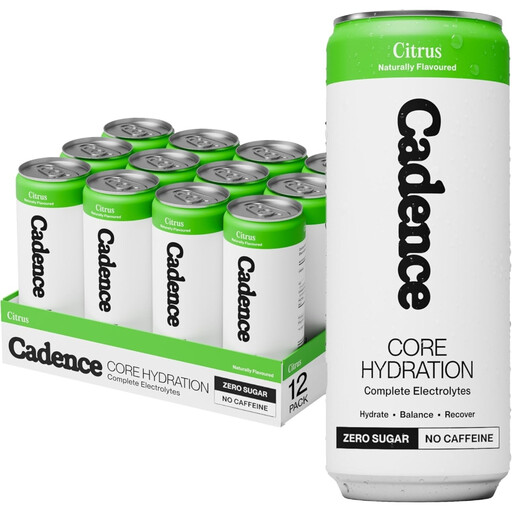 Image unavailable
For an exercise-related drink when limiting sugar matters, compare its nutrition label with other options. This citrus pack contains 12 × 330ml drinks; check salt per serving as part of that comparison.
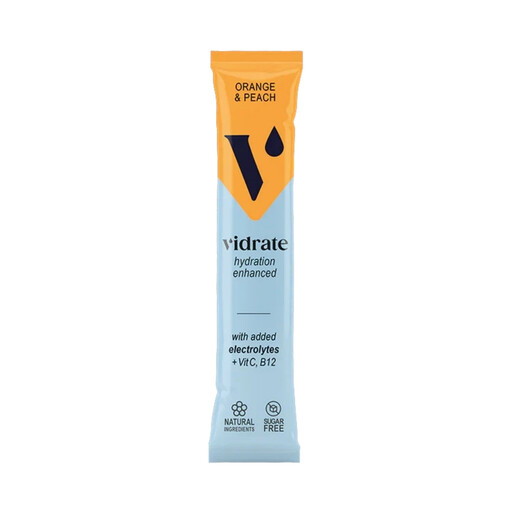 Image unavailable
For a powder to carry around morning exercise, this orange and peach sachet needs mixing with 500–700ml of water. Compare it as prepared rather than directly against a bottle’s undiluted serving information.
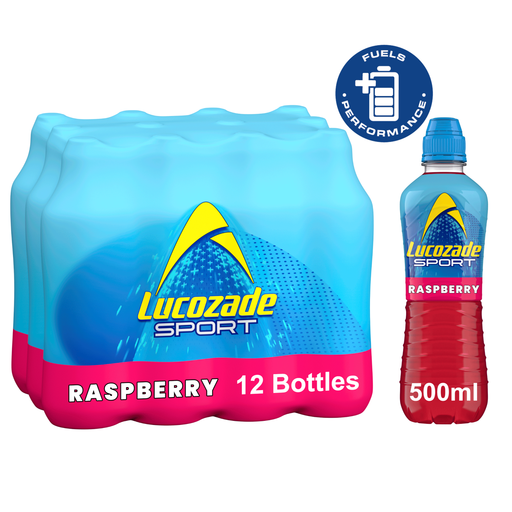 Image unavailable
For prolonged or sweaty exercise where a carbohydrate-containing drink is relevant, this raspberry isotonic drink comes in 12 × 500ml bottles. Its product information warns that it contains aspartame, a source of phenylalanine, and is not suitable for people with phenylketonuria.
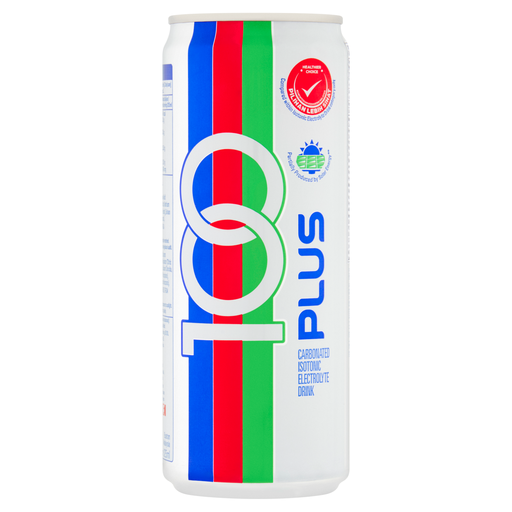 Image unavailable
For activity where you are considering a carbohydrate-containing isotonic drink, this Malaysian variant is a carbonated 325ml option. Consider whether a fizzy drink suits how you plan to use it, and compare its sugars on the label.
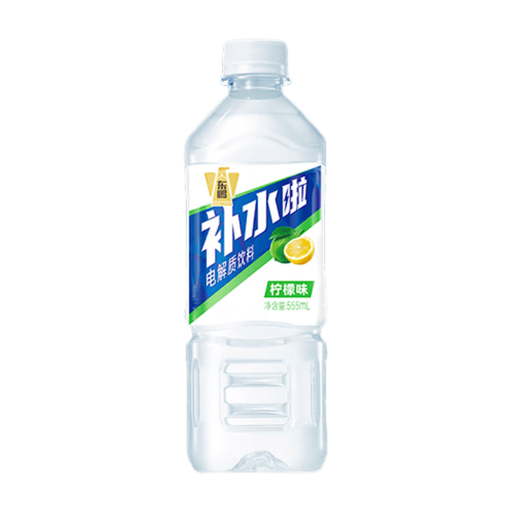 Image unavailable
For a ready-to-drink option around exercise, this lemon-flavour electrolyte drink comes in a 555ml pack. Its ingredient information identifies sugar and high-fructose corn syrup, so check the sugars declaration if you are comparing it for an ordinary breakfast.
A sports drink does not establish that you have eaten a balanced breakfast. The NHS describes a balanced diet as a variety of foods in appropriate proportions, so choose breakfast food separately from your drink.
No. If you want its flavour or format, it can be an option without the sugar in a standard sugary sports drink, but ordinary hydration does not automatically call for electrolytes. The NHS recommends water for replacing fluids after sweating; also consider your planned activity and the exact drink label.
Compare energy, sugars and salt per 100ml or for the same amount you expect to drink, then check the ingredients and any mixing instructions. GOV.UK says the nutrition declaration on pre-packed food provides product information, while a traffic-light label, when present, can help with a quick comparison.