Hosts who want fizz
A sparkling, non-alcoholic drink may suit the table better than a large still sports bottle. Check the serving size and sugars as well as whether it is carbonated.


For a social Sunday brunch, choose a sparkling electrolyte-style drink if fizz and an individual serving are what matter; ASDA lists Oshee Mint-Lemon as a sparkling 250ml example, with 8.5g sugars per portion. A still isotonic drink is a different choice when someone specifically wants carbohydrate and electrolytes around prolonged endurance exercise. For ordinary fluid replacement, the NHS recommends water; check the full serving’s nutrition label before choosing a sports drink instead.
A sparkling, non-alcoholic drink may suit the table better than a large still sports bottle. Check the serving size and sugars as well as whether it is carbonated.
If the drink is intended for exercise rather than the occasion, compare its carbohydrate and electrolyte information with that of a conventional isotonic drink. Fizz alone does not establish the same purpose.
When sports fuelling is not the aim, water or another lower-sugar drink may meet the need. Compare sugars for the amount you would actually drink, not just the figure per 100ml.
Decide whether the drink is for the brunch table or for exercise, then compare carbonation, the full serving and the nutrition label.
Choose when: Fizz and a smaller individual serve are central to brunch; ASDA lists Oshee Mint-Lemon as a sparkling 250ml example.
Trade-off: That Oshee drink contains 8.5g sugars per portion, and carbonation does not establish its suitability in place of an endurance isotonic drink.
Choose when: Carbohydrate and electrolytes for prolonged endurance exercise matter more than a fizzy brunch serve; Tesco describes Lucozade Sport Orange for that exercise context.
Trade-off: The Lucozade Sport and Powerade bottles described by UK retailers are not presented as sparkling, so confirm carbonation before buying for a strict fizz requirement.
Choose when: The drink is for ordinary refreshment rather than a particular sports-fuelling purpose; the NHS recommends water for replacing fluids lost through sweating.
Trade-off: Water does not provide the carbohydrate-and-electrolyte formulation sought for some exercise situations.
| Priority | What to check | Your needs |
|---|---|---|
| Fizz | Look for “sparkling” or “carbonated” in the description and carbon dioxide in the ingredients. Do not assume an isotonic drink is fizzy. | I want a sparkling drink on the brunch table, not just a product from the sports-drink aisle. |
| Sugars per serving | Compare the amount you plan to drink. ASDA lists 8.5g sugars per 250ml portion for Oshee Mint-Lemon and 4.1g per 100ml for Powerade Berry & Tropical; those are different serving bases. | For a casual brunch drink, I want to know what a whole can or bottle contains before serving it. |
| Exercise purpose | Read the carbohydrate and electrolyte information alongside the stated use. Tesco describes Lucozade Sport Orange as providing approximately 16g carbohydrate per 250ml serving for prolonged endurance exercise. | If I am choosing a drink after sustained exercise, its formulation matters more to me than whether it fizzes. |
| Serving format | Check the container size and how many drinks are in the pack. A 250ml portion and a 500ml bottle are different amounts to serve and assess. | For guests taking an individual drink, I would rather choose a size that fits the occasion than rely on the pack’s front label. |
An isotonic label describes the type of drink, not whether it is carbonated. The Lucozade Sport and Powerade bottles in the UK retailer listings are not described as sparkling.
If fizz is essential, check for “sparkling” or “carbonated” on the product and carbon dioxide in its ingredients before choosing a pack.
A carbohydrate-and-electrolyte formulation has a different role from an ordinary brunch refreshment. The NHS recommends water for replacing fluids lost through sweating.
Decide whether anyone actually wants a drink for prolonged exercise before using that formulation as a buying criterion.
ASDA lists Oshee Mint-Lemon’s sugars per 250ml portion but Powerade Berry & Tropical’s sugars per 100ml. Reading those numbers as if they described equal drinks would obscure the amount served.
Use the nutrition panel to compare sugars, carbohydrate and salt for the can or bottle a guest is likely to drink.
Nearby supermarket categories can contain drinks with different ingredients and intended uses; an energy drink is not automatically an electrolyte drink.
Check the label for caffeine, carbohydrate, sugars, salt and named electrolytes rather than choosing by shelf category alone.
These examples illustrate different drink formats; a brand name alone does not tell you whether a particular product is sparkling.
ASDA and Sainsbury’s describe Oshee Vitamin Energy Recovery Mint-Lemon as a sparkling 250ml drink with added vitamins and minerals.
Tesco describes Lucozade Sport Orange as an isotonic drink with carbohydrate and electrolytes for prolonged endurance exercise.
ASDA lists Powerade Berry & Tropical as an isotonic sports drink in 500ml bottles.
Gatorade UK describes Hydration Booster as a carbohydrate-and-electrolyte drink mix supplied in sachets, rather than a ready-to-serve sparkling brunch drink.
These options include a drink explicitly named as carbonated, a citrus drinks multipack and a Lucozade Sport pack for an exercise-focused choice. Where carbonation is not explicit in the product name, check the packaging before choosing it for a fizzy brunch.
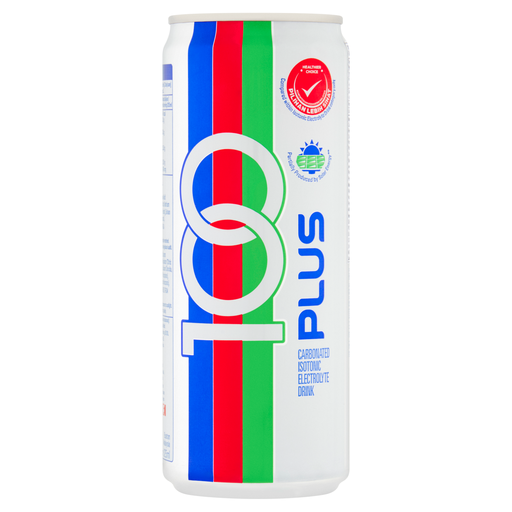 No image available
The product name identifies a carbonated isotonic drink in a 325ml size, making it relevant when fizz matters at brunch. Check the packaging details and the nutrition panel for the drink you intend to serve.
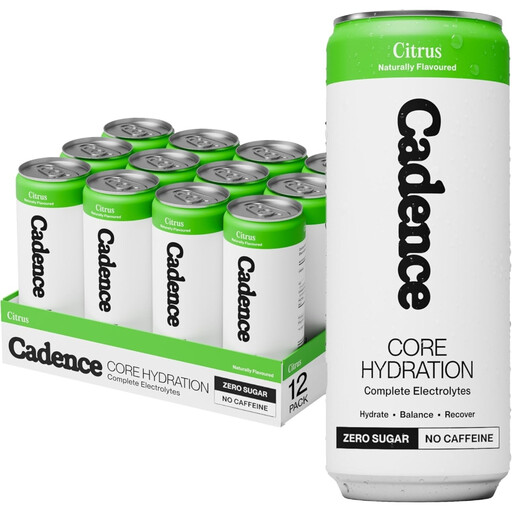 No image available
The 12 × 330ml format offers individual drinks for guests. If you are choosing it for fizz, check carbonation on the packaging, along with the nutrition information and product warnings.
 No image available
This four-bottle pack is an exercise-focused alternative, not a confirmed sparkling brunch drink. ASDA lists glucose syrup and sodium citrate in Lucozade Sport Orange; check the exact pack’s nutrition label and confirm carbonation if fizz matters.
Not necessarily. ASDA and Sainsbury’s describe Oshee Vitamin Energy Recovery Mint-Lemon as sparkling, and ASDA lists carbon dioxide in its ingredients. The cited UK retailer listings do not describe the Lucozade Sport Orange or Powerade Berry & Tropical bottles as sparkling, so check the exact drink when fizz is essential.
No such equivalence follows from fizz or added vitamins alone. Tesco describes Lucozade Sport Orange’s carbohydrate-and-electrolyte formulation in the context of prolonged endurance exercise; compare the intended use and nutrition label of any sparkling alternative rather than assuming it serves the same role.
Compare the amount you expect to drink using the nutrition panel’s stated serving basis. ASDA lists 8.5g sugars per 250ml portion for Oshee Mint-Lemon and 4.1g per 100ml for Powerade Berry & Tropical, so the printed figures are not for equal-sized drinks.
A sports drink is not necessary just because it is brunch after a workout. The NHS recommends water for replacing fluids lost through sweating; choose a carbohydrate-and-electrolyte drink when that particular exercise-related formulation is what the guest wants, and check its full-serving label.