For a bulk purchase, choose the drink type before the pack size: a zero-sugar bottle fits a preference to limit sugar, while a carbohydrate-containing drink serves a different purpose when carbohydrate during prolonged exercise is the reason for buying. Sachets take up less storage space but need water and preparation. For routine hydration, the NHS recommends water; buy a quantity of sports drinks that suits your intended use and the dates and storage instructions on the pack.
Who is buying in bulk?
Regular exercisers limiting sugar
If you want sports-drink bottles for lighter activity or repeated use, check the sugar and energy declarations for the exact variety. A zero-sugar bottle and a regular isotonic drink are not nutritionally interchangeable.
People planning prolonged exercise
If carbohydrate content is part of your reason for choosing a drink, compare the amount per stated serving. Do not assume that a zero-sugar variety provides the same carbohydrate as a regular one.
Households stocking up
Compare the total quantity, storage instructions and best-before dates of bottles and sachets. A larger supply is useful only if you have space for it and expect to use it in time.
What should you check first?
Start with the drink’s intended use and nutrition label, then decide which format and quantity fit your routine.
Zero-sugar bottles
Consider when: You want a bottled sports drink without sugar for lighter activity.
Trade-off: Do not treat it as a substitute for a drink chosen specifically for its carbohydrate content.
Carbohydrate-containing bottles
Consider when: You want a ready-to-drink option and are deliberately choosing a product with carbohydrate for prolonged exercise.
Trade-off: Check its sugars and energy against a zero-sugar variety before buying several packs.
Drink-mix sachets
Consider when: Compact storage matters and you are happy to prepare each drink.
Trade-off: You need water and a suitable container; check the ingredients rather than assuming a sachet is sugar free.
| Priority |
What to check |
Your needs |
| Sugar and energy |
Compare sugars and energy on the same per-100 ml or per-serving basis. Check the ingredients of the exact flavour, including any sweeteners. |
I expect to use these drinks regularly and want to know whether I am stocking up on a zero-sugar or carbohydrate-containing variety. |
| Exercise purpose |
Read the stated carbohydrate amount per serving and the product’s intended use. Compare electrolyte declarations if those details matter to your choice. |
For prolonged sessions, carbohydrate content may be part of why I am buying a sports drink. For lighter activity, I do not want to assume I need that same format. |
| Pack format |
Check bottle count, bottle volume and total pack volume. For sachets, check how much water each one requires and what you need for mixing. |
Ready-to-drink bottles are convenient for me to take along, but a smaller-to-store sachet pack could work when I can prepare the drink. |
| Storage and labels |
Check the best-before date, storage conditions and instructions after opening. Read the current ingredients and allergen information for each variant. |
I need enough space for the order and a realistic plan for using it, particularly if I open bottles only occasionally. |
What can make a bulk buy less useful?
-
Assuming all sports drinks serve the same purpose
A zero-sugar drink positioned for low-intensity exercise differs from a carbohydrate-containing drink chosen for prolonged sessions. Buying a large quantity before making that distinction can leave you with the wrong type for your intended use.
Decide whether you want to limit sugar, deliberately choose carbohydrate content or use a drink you can mix when needed. Then compare products within that format.
-
Choosing a pack by size alone
Bottle multipacks and sachets provide different quantities of ready-to-drink liquid and need different amounts of storage space. An oversized supply may remain unused.
Check the total volume, how often you expect to use the drinks and the best-before date before choosing a pack count.
-
Assuming zero sugar removes the need to read the label
Zero-sugar varieties can contain sweeteners, and ingredients differ between flavours and formulations. Anyone checking for a particular ingredient or allergen needs the details for the product being bought.
Read the current on-pack ingredients, allergen information and nutrition declaration for the exact variant.
-
Overlooking instructions after opening
Sealed-pack dates do not replace instructions for an opened bottle. Joybuy’s listing for Lucozade Sport Orange 12 x 500 ml says to refrigerate after opening and consume within four days; its Lemon & Lime 4 x 500 ml listing states 24 hours.
Check the instructions for each flavour and pack, and choose a bottle size you are likely to finish within its stated period.
Which brands and formats are relevant?
These brand examples illustrate different drink types; the label of the particular product remains the basis for a dietary comparison.
Lucozade Sport
Its UK range includes zero-sugar and regular carbohydrate-containing bottled drinks. Tesco lists the Orange & Peach Zero Sugar variety at 4 kcal per serving, while the regular and zero-sugar varieties are positioned for different activity uses.
- The separate varieties make sugar content a useful first distinction when comparing multipacks.
- Do not transfer nutrition or storage details from one flavour or variety to another; check the current label.
Powerade
Tesco lists Powerade Golden Mango as a 4 x 500 ml ready-to-drink sports-drink pack.
- The stated bottle count and volume allow a direct pack-size comparison with other 500 ml bottle multipacks.
- Check the particular variety’s nutrition and ingredients before assigning it to a zero-sugar or carbohydrate-focused choice.
Gatorade
Gatorade UK offers Hydration Booster as a carbohydrate-and-electrolyte powder in sachets rather than filled bottles.
- Sachets offer a compact format when you can mix a drink as needed.
- The mix contains carbohydrate, so check its ingredients and preparation instructions instead of treating it as a zero-sugar bottled drink.
Joybuy bottled sports drinks
These are ready-to-drink multipacks for comparing bottle quantity and dietary details. They do not represent the zero-sugar bottle or sachet choices discussed above.
 No image available
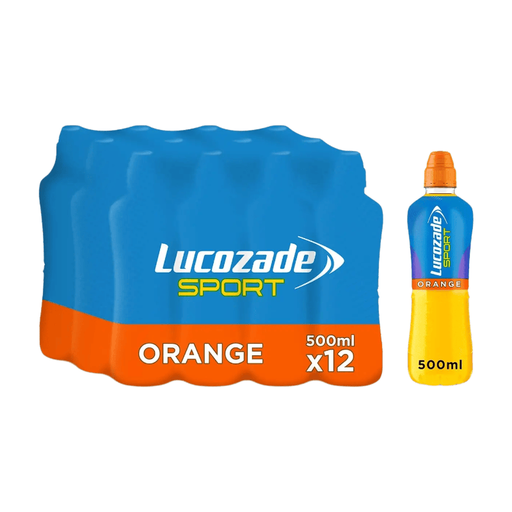
Lucozade Sport Orange 12 x 500 ml
A 12-bottle ready-to-drink pack for someone deliberately choosing a carbohydrate-containing sports drink for prolonged exercise. Its product description identifies carbohydrate, sodium and electrolytes; it is not a zero-sugar variety. Refrigerate after opening and consume within four days, according to the listing.
View on Joybuy
 No image available
Lucozade Sport Orange 4 x 500 ml
A smaller Orange multipack for buyers who want ready-to-drink bottles for exercise without taking on a 12-bottle case. The listing provides energy, carbohydrate and sugars per 100 ml for dietary comparison; this is not a zero-sugar variety. It says to refrigerate after opening and consume within four days.
View on Joybuy
 No image available
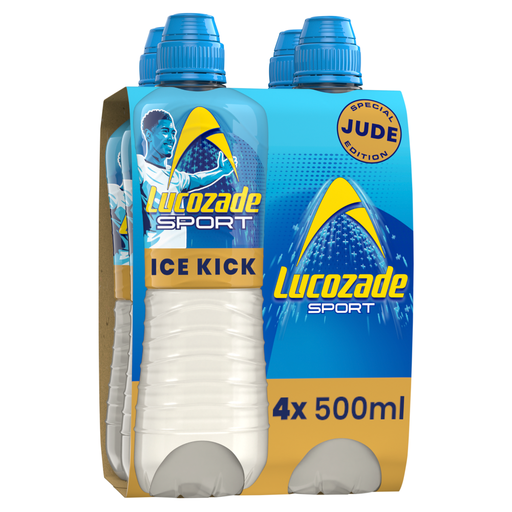
Lucozade Sport Lemon & Lime 4 x 500 ml
A four-bottle option for physical activity when the Lemon & Lime flavour and its label suit your choice. The listing reports 3.5 g sugars per 100 ml, so it is not zero sugar. It also states that the drink contains a source of phenylalanine and is unsuitable for people with phenylketonuria; refrigerate after opening and consume within 24 hours.
View on Joybuy
 No image available
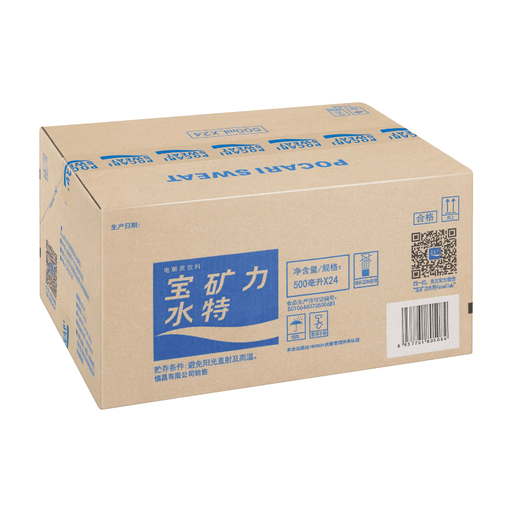
Pocari Sweat Sports Drink 24 x 500 ml
A 24-bottle ready-to-drink pack for a household expecting to use a larger supply. The listing reports 3.2 g sugars and 25 kcal per 100 ml, so it is not a zero-sugar option. Store in a cool, dry place and consume immediately after opening, according to the listing.
View on Joybuy
Frequently asked questions
Do I need sports drinks in bulk for everyday hydration?
No: the NHS recommends water for hydration, including replacing fluid lost through physical activity. A bulk sports-drink purchase makes more sense when you have identified a particular drink format or labelled carbohydrate content that you intend to use.
Is a zero-sugar sports drink the same as a regular isotonic drink?
No. A zero-sugar variety does not provide the sugar content of a regular carbohydrate-containing variety. Check the carbohydrate declaration per serving and the product’s stated purpose before choosing bottles for prolonged exercise.
Should I choose bottles or sachets for a larger supply?
Choose bottles when you want the drink ready to use; consider sachets when compact storage matters and you can mix them with water. Compare the total bottle volume with the number of drinks a sachet pack prepares, following its mixing instructions, and check the ingredients of either format.
What should I check before storing several packs?
Check each pack’s best-before date, sealed-storage conditions and instructions after opening. Read the current ingredients and allergen information for the exact flavour, and choose a quantity you can store and expect to use.


