Campers on easy days
If your plans centre on travelling, setting up camp and short walks, the main choice is between water and a flavoured drink that fits your preference for limiting sugar.


For an ordinary campsite day, choose water for hydration, as the NHS recommends; a zero-sugar sports drink is a flavoured option, not a substitute for food. If a demanding walk calls for carbohydrate in your drink as part of your food plan, compare the carbohydrate and sugars on the label rather than assuming all sports drinks serve the same purpose. Powder avoids carrying pre-mixed liquid only if you can provide the water needed to prepare it.
If your plans centre on travelling, setting up camp and short walks, the main choice is between water and a flavoured drink that fits your preference for limiting sugar.
Decide whether your food will provide the carbohydrate you plan to carry or whether you also want carbohydrate in your drink. A zero-sugar and a carbohydrate-containing sports drink do not fill the same role.
Check the exact drink’s carbohydrate content against your own plan for food and activity. Diabetes UK advises checking whether a sports drink contains the carbohydrate or sodium relevant to your activity.
Start with what the drink needs to do on your trip, then compare the label and the amount of water you will need to carry.
| Priority | What to check | Your needs |
|---|---|---|
| Everyday drinks | Check whether you have drinking water available. If you want a flavoured option, compare sugars and carbohydrate on the exact bottle. | For a quiet campsite day, I want a drink without making sugar-containing sports drinks my routine choice. The NHS recommends water for replacing lost fluids. |
| Carbohydrate for activity | Compare carbohydrate and sugars per 100ml, as well as the amount you expect to drink. ASDA lists 4.1g of each per 100ml for Powerade Berry & Tropical Fruits; a zero-sugar variant is a different choice. | On a demanding walk, I want to decide what carbohydrate to carry in food and whether any should come from my drink. |
| Pack format | Check whether the drink is ready to drink or needs mixing. Gatorade UK instructs users to mix one Hydration Booster sachet with 500ml of water. | Carrying dry sachets appeals to me only if I can get drinking water and have a container for mixing at camp. |
| Exact variant | Read the current pack for ingredients, sweeteners, allergens and nutrition information. Match the flavour and pack size to the variant you intend to buy. | I want the drink I pack to match the sugar and ingredient information I used to make my choice. |
A zero-sugar drink should not be assumed to provide the carbohydrate you plan to carry for a demanding day.
Plan food and drinks separately: check carbohydrate on the drink label and decide what food you will take for the activity.
ASDA lists 4.1g sugars per 100ml for Powerade Berry & Tropical Fruits. Its carbohydrate-containing formula is not interchangeable with a zero-sugar drink when you are comparing sugar intake.
Compare nutrition panels per 100ml and consider how much you would drink during an ordinary campsite day.
Gatorade UK instructs users to mix one Hydration Booster sachet with 500ml of water. A dry sachet is not a ready-to-drink supply.
Check that you can obtain drinking water and take a suitable bottle or cup before relying on powder at camp.
If drinking water is not available at camp, you will have to carry enough for mixing as well.
Its Zero Sugar Orange & Peach 500ml variant illustrates a ready-to-drink, flavoured choice for someone comparing sugar on a campsite day.
The Berry & Tropical Fruits drink and the separately listed Zero Berry Tropical variant illustrate why the exact formula matters.
Hydration Booster sachets illustrate the dry-mix option for a trip where carrying pre-mixed drinks is inconvenient.
These drinks offer pack formats to compare for a camping trip. Check each exact product’s nutrition and format against your plan for water, food and activity; the selection is not a comparison of every route discussed above.
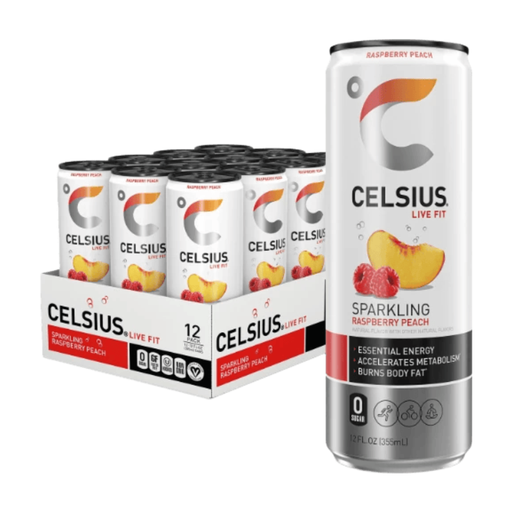 No image available
The name specifies a 12x355ml pack. Check the product format and nutrition label before choosing it for camp, particularly if you are looking for a powder or a zero-sugar drink.
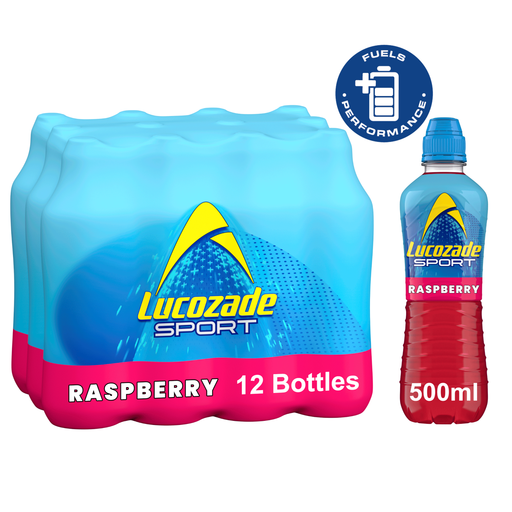 No image available
This ready-to-drink isotonic option comes in a 12x500ml bottle pack. It is not a zero-sugar choice, so compare carbohydrate and sugars on the bottle when planning drinks for exercise. The product information says it contains aspartame, a source of phenylalanine, and is not suitable for people with phenylketonuria.
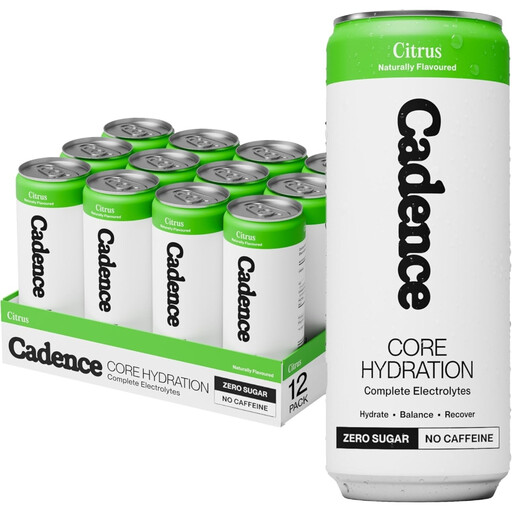 No image available
The 12 x 330ml ready-to-drink format needs no mixing at camp. If you are choosing it to limit sugar, check sugars and carbohydrate on the can; check the current energy declaration if calorie precision matters to you.
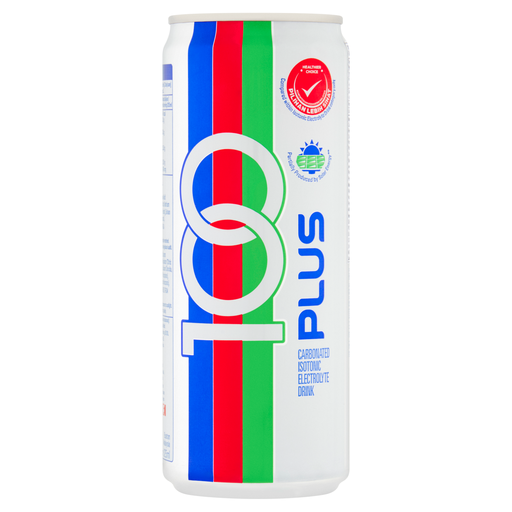 No image available
This carbonated isotonic drink comes in a ready-to-drink 325ml can. It is not a zero-sugar option; compare sugars on the can with your food and drink plan for the trip.
Not necessarily. The NHS recommends water for replacing lost fluids. If you want a flavoured drink, compare its sugars and carbohydrate with what you intend to eat and drink; a sports-drink label alone does not tell you whether it suits a low-exertion day.
Do not count on a zero-sugar drink for planned carbohydrate. Check the exact nutrition panel, then decide separately what food or carbohydrate-containing drink, if any, belongs in your activity plan.
Match the drink’s carbohydrate content to your own food, activity and diabetes-management plan rather than treating zero-sugar and carbohydrate-containing drinks as interchangeable. Diabetes UK advises checking whether a sports drink contains the carbohydrate or sodium relevant to your activity.