Car boot sellers serving a mix of shoppers
Keep water, zero-sugar sports drinks and carbohydrate-containing drinks distinguishable. Sealed original packs also let shoppers inspect ingredients, dates and storage instructions.


For general car boot sale refreshments, start with water; NHS guidance identifies it as a choice for hydration. Add a zero-sugar sports drink for shoppers who want a sweet-flavoured option without sugar, and keep carbohydrate-containing sports drinks clearly separate for people seeking that formulation for activity. Check each pack’s ingredients, dates and storage instructions, and establish whether your selling activity is a food business before trading.
Keep water, zero-sugar sports drinks and carbohydrate-containing drinks distinguishable. Sealed original packs also let shoppers inspect ingredients, dates and storage instructions.
A zero-sugar drink offers sweet flavour without the sugar in a standard sports drink. The ingredients still matter: sweeteners vary between products, so check the exact bottle.
Some customers may specifically want a carbohydrate-and-electrolyte drink. Check the format as well as the label: a sachet that needs mixing with water is a different purchase from a ready-to-drink bottle.
Decide whether each drink is for straightforward refreshment, a sweet-tasting zero-sugar choice or a customer specifically seeking carbohydrate alongside electrolytes. Then compare the labels on the exact packs you intend to sell.
Choose when: You need a straightforward drink for general visitors; NHS guidance identifies water as a choice for hydration.
Bear in mind: Plain water does not offer the sweet flavour or carbohydrate-and-electrolyte formulation some shoppers seek.
Choose when: A shopper wants a sweet-flavoured sports drink without sugar, rather than a source of carbohydrate for activity.
Bear in mind: Zero sugar does not mean no sweeteners; the exact ingredients and warnings still need checking.
Choose when: A customer specifically wants that formulation for physical activity, rather than a zero-sugar drink.
Bear in mind: Formats differ. Gatorade UK describes its Hydration Booster as a powder sachet that must be mixed with water, not a ready-to-drink bottle.
| Priority | What to check | Your needs |
|---|---|---|
| Sugar and energy | Compare sugars and energy on the same basis, such as per 100ml. Distinguish a zero-sugar claim from a lower-sugar one, and read the ingredients for sweeteners. | “I want a sweet drink without choosing a carbohydrate-containing sports drink.” A clearly labelled zero-sugar option makes that distinction easier to see. |
| Use and format | Check whether the drink contains carbohydrate and electrolytes, whether it is ready to drink or needs mixing, and what use the manufacturer describes. | “I’m buying a drink to have at the sale” calls for a different format from “I want a drink for activity”. A sachet also requires access to water. |
| Ingredients and warnings | Read the named sweeteners and any relevant pack warnings. NHS guidance says aspartame is unsuitable for people with phenylketonuria (PKU) because it contains phenylalanine. | “I avoid a particular sweetener” means I need the original ingredients list, not just a front-of-pack zero-sugar claim. |
| Pack and selling checks | Keep the original label readable; check dates and storage instructions. Establish whether the activity is a food business and ask the relevant local authority about registration. | “I’m putting sealed drinks on a stall” means shoppers should be able to inspect the pack, while my trading arrangements need checking before the event. |
A zero-sugar bottle and a carbohydrate-containing drink do not communicate the same sugar content or intended use. A powder sachet also needs preparation.
Separate zero-sugar drinks from carbohydrate-containing ones on the stall, and use the wording on each original pack.
Zero-sugar drinks can contain sweeteners. NHS guidance says aspartame is unsuitable for people with PKU; it does not follow that every zero-sugar drink contains aspartame.
Keep ingredients and warnings visible so customers can check the particular drink rather than relying on a blanket suitability claim.
Obscured packaging makes it harder for shoppers to inspect ingredients and date information, while storage instructions can differ between drinks.
Sell unopened original packs where possible, check dates before each event and follow the storage instructions on the pack.
UK government food-information guidance distinguishes an occasional event run by someone who is not a food business from activity carried out as a food business. The Food Standards Agency registration service says a new food business must register with its local authority at least 28 days before trading.
Confirm how your activity is classified and which requirements apply with the relevant local authority before organised or repeated selling.
Its range includes standard and zero-sugar sports drinks. Sainsbury’s describes Lucozade Sport Zero Orange & Peach as a bottled option for low-intensity exercise and lists zero sugar and 4 kcal per 250ml serving.
Gatorade UK describes Hydration Booster as a powder sachet mixed with water, containing carbohydrates, electrolytes and B vitamins.
Sainsbury’s sports-drinks category lists a Powerade Berry & Tropical 4 x 500ml pack.
These options include two bottled sports drinks for shoppers seeking a carbohydrate-containing drink and one sugar-free flavoured still water for those who want a non-sports-drink alternative. Flavoured water is not the same product as plain water or a zero-sugar sports drink.
 No image available
A bottled sports-drink option for shoppers seeking a carbohydrate-containing drink. It is not a zero-sugar choice; check sugars per 100ml and the ingredients on the pack. The listed ingredients include aspartame, which NHS guidance says is unsuitable for people with PKU.
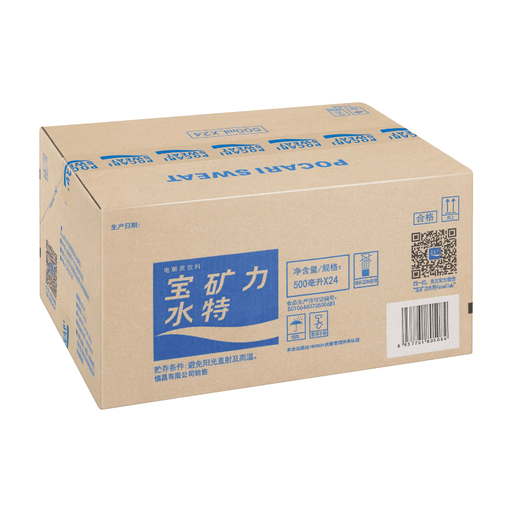 No image available
A bottled, carbohydrate-containing sports drink rather than a mix-to-water sachet or a zero-sugar option. Check sugars and the exact ingredients on the pack; the available product descriptions do not give a consistent account of its sweetener content.
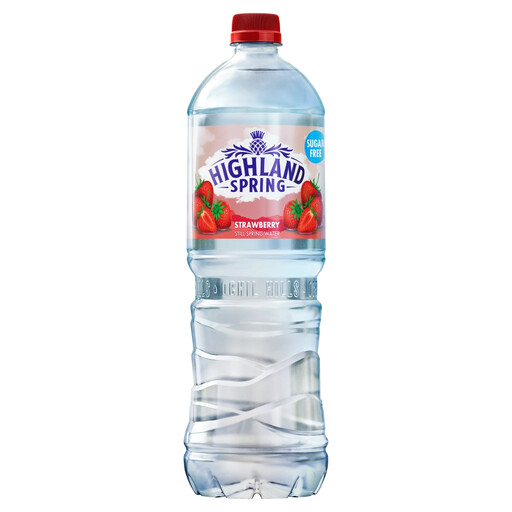 No image available
A sugar-free, flavoured still-water alternative for shoppers who do not want a sports drink. It is not a carbohydrate-and-electrolyte sports formulation. Check the original label for ingredients and warnings, including the listed sucralose and sulphites; the product information also warns that the cap contains small parts and is unsuitable for children under 36 months.
Not necessarily: NHS guidance identifies water as a choice for general hydration. A zero-sugar sports drink adds a sweet-flavoured option without sugar, while a carbohydrate-containing drink serves a different customer request and should be labelled distinctly.
No. The ingredients given for Lucozade Sport Zero Orange & Peach include acesulfame K and sucralose. Check the exact bottle’s ingredients, since the words “zero sugar” alone do not identify its sweeteners.
No. NHS guidance says aspartame is unsuitable for people with phenylketonuria (PKU) because it contains phenylalanine. Check the ingredients for aspartame or E951 and read any relevant warning on the exact pack.
Keep the original packaging intact so shoppers can inspect the food name, ingredients, allergens, quantity and date information. Do not cover essential label details, and check each pack’s date and storage instructions before putting it on the stall.
That depends on whether the activity is a food business. UK government food-information guidance distinguishes an occasional event run by someone who is not a food business from food-business activity; the Food Standards Agency registration service says a new food business must register with its local authority at least 28 days before trading. Confirm your circumstances and the applicable requirements with the relevant local authority before organised or repeated sales.