Takeaway drinkers watching drink sugar
If you are ordering sweet-and-sour or sweet-chilli dishes, you may prefer not to add sugar through your drink as well. The NHS identifies these sauces as takeaway choices that can be high in sugar.


If the takeaway is not linked to prolonged or intense exercise, water is a straightforward choice for hydration; NHS and British Dietetic Association guidance both support water as an everyday drink. If you prefer a flavoured sports drink without adding drink sugar, check a zero-sugar product’s label. A carbohydrate-containing isotonic drink has a more specific role when you need carbohydrate and electrolytes around substantial exercise, and its sugar content matters alongside sweet sauces.
Whether a sports drink makes sense with a Chinese takeaway depends more on the exercise around the meal than on the occasion itself.
If you are ordering sweet-and-sour or sweet-chilli dishes, you may prefer not to add sugar through your drink as well. The NHS identifies these sauces as takeaway choices that can be high in sugar.
A zero-sugar option may suit your taste preference without serving as carbohydrate fuel. Asda labels Lucozade Sport Zero Sugar Orange & Peach for low-intensity exercise and lists 0g sugars per 100ml.
If the meal follows prolonged exercise or substantial sweating, consider whether you want carbohydrate and electrolytes in the drink. The British Dietetic Association distinguishes harder, longer training from a general fitness programme when discussing carbohydrate needs.
Start with the activity around the meal, then compare sugar on the same volume basis and read the ingredients of any flavoured option.
| Priority | What to check | Your needs |
|---|---|---|
| Exercise around the meal | Consider how long and hard you exercised, whether you sweated substantially, and whether you want carbohydrate in the drink. The British Dietetic Association says a normal diet can usually meet carbohydrate needs for a general fitness programme. | If it is a quiet takeaway night, I mainly want a drink with my meal. After a demanding session, I may be choosing a drink for exercise as well as thirst. |
| Sugar in the drink | Compare sugars per 100ml, then check the bottle size. Sainsbury’s lists 4.1g sugars per 100ml for Powerade Berry & Tropical, equivalent to 20.5g in a 500ml bottle; Asda lists 0g per 100ml for Lucozade Sport Zero Sugar Orange & Peach. | With sweet-and-sour or sweet-chilli food, I may not want sugar in my drink too. The NHS notes that these takeaway dishes can be high in sugar. |
| Ingredients and serving size | Read the current ingredients and nutrition panel rather than relying on the words “diet” or “zero sugar”. Check sweeteners, the stated serving size and any ingredient you personally avoid. | I want to know what is in a flavoured drink, not just whether its front label says zero sugar. |
| Drink format | Check whether the product is ready to drink or must be mixed. Gatorade Great Britain describes its Hydration Booster as a carbohydrate-and-electrolyte powder mixed with 500ml water; its ingredient list includes sugar and a sweetener. | If I am taking a drink straight to the table, I want a ready-to-drink format. If I choose a sachet, I can make it up as directed. |
Standard isotonic and zero-sugar drinks can have quite different nutrition panels. Sainsbury’s lists 4.1g sugars per 100ml for Powerade Berry & Tropical, while the NHS notes that some takeaway sauces can also be high in sugar.
Compare sugars per 100ml and the bottle volume before deciding what to have with the meal. If you do not want exercise carbohydrate, water or a clearly labelled zero-sugar drink is another option.
A carbohydrate-and-electrolyte drink has an exercise-related purpose; the word “hydration” alone does not make it necessary with a takeaway. The British Dietetic Association says carbohydrate needs for a general fitness programme can usually be met through a normal diet.
Think about the activity you have actually done. For ordinary thirst, compare the drink’s sugar content and choose a flavour or unsweetened option that suits the meal.
A zero-sugar figure tells you about sugars, not every other ingredient or whether the drink supplies carbohydrate for exercise.
Read the current ingredients and nutrition panel, particularly if you avoid certain sweeteners or need to follow an individual dietary plan.
These examples show why the particular variant matters more than the brand name alone; they do not indicate which variants are in the Joybuy selection below.
The Orange & Peach Zero Sugar variant listed by Asda is labelled for low-intensity exercise and has 0g sugars per 100ml.
Sainsbury’s lists 4.1g sugars per 100ml for the Berry & Tropical drink, placing this particular variant on the sugar-containing side of the takeaway-night choice.
Gatorade Great Britain describes Hydration Booster as a carbohydrate-and-electrolyte powder sachet mixed with 500ml water, rather than a ready-to-drink bottle.
These Joybuy options include flavoured hydration drinks and isotonic drinks to consider against the sugar and exercise checks above. Compare each exact variant’s current label before choosing one for a takeaway night.
 No image available
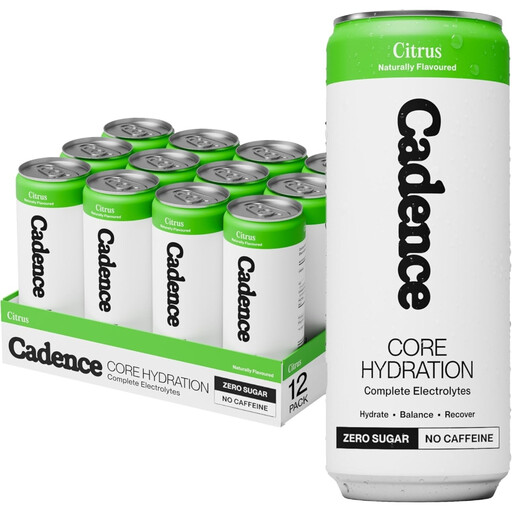
Consider this citrus drink if you want a ready-to-drink option alongside the meal. Check the current sugar and salt figures on the label, as well as the product directions and warnings, before deciding whether it suits your use.
 No image available
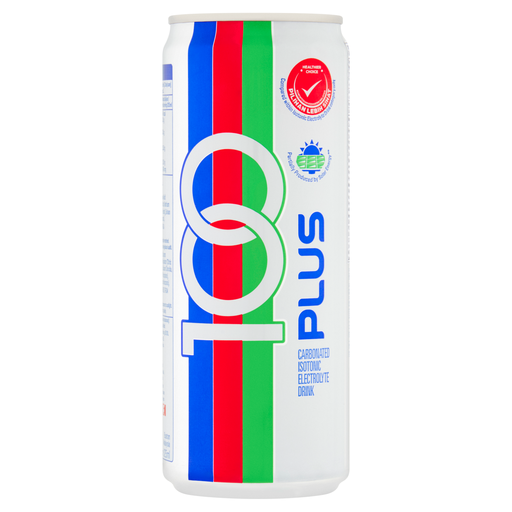
This carbonated isotonic option is more relevant to a choice around exercise than to avoiding drink sugar with a sedentary meal. Check its current sugars per 100ml and ingredients if your takeaway includes sweet sauces.
 No image available
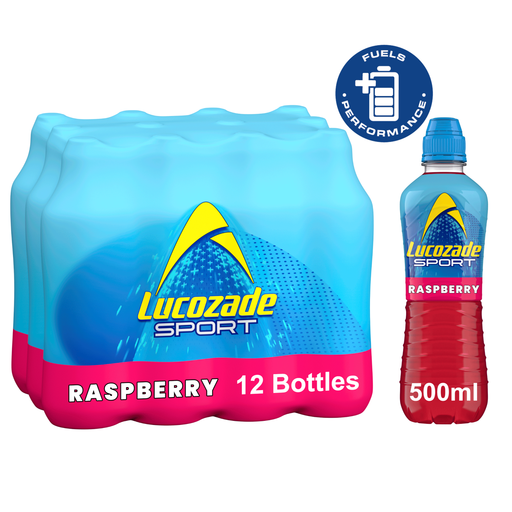
This raspberry isotonic variant is an exercise-related option, not the Orange & Peach Zero Sugar product discussed above. Check the current sugars and ingredients before pairing it with a takeaway; the product information also flags an aspartame and phenylalanine warning.
 No image available
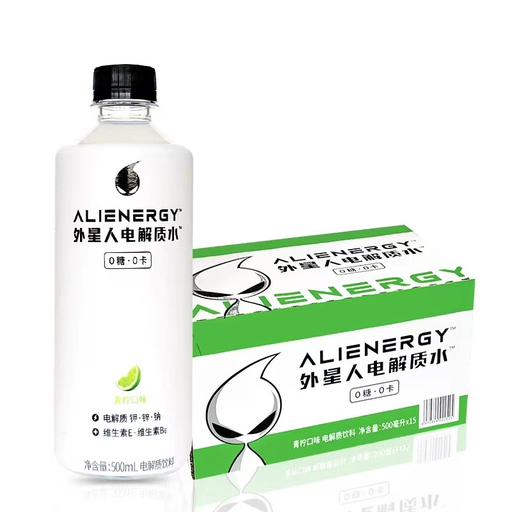
If you want lime-flavoured electrolyte water with the meal, compare the bottle’s current sugars, sweeteners and ingredients with your preferences. Check its label rather than assuming that electrolyte water serves the same purpose as a carbohydrate-containing isotonic drink.
No. For a meal without an exercise-related reason to choose a sports drink, water is a straightforward hydration option, consistent with NHS and British Dietetic Association guidance. A zero-sugar sports drink is an option if you prefer its flavour and want to avoid adding drink sugar; check its ingredients too.
Consider one when you have a specific reason to want carbohydrate and electrolytes around prolonged or harder exercise, rather than simply because you are eating a takeaway. The British Dietetic Association says carbohydrate needs for a general fitness programme can usually be met through a normal diet.
Sainsbury’s lists 4.1g sugars per 100ml for Powerade Berry & Tropical. That works out to 20.5g in a 500ml bottle; check the current label and pack size when buying.
Check the serving size and ingredients alongside the sugars figure, especially if you avoid particular sweeteners. Also read any directions or warnings for the exact variant you are buying; “zero sugar” does not tell you whether the drink provides carbohydrate for exercise.