Christmas-party hosts offering a choice
Offer water alongside flavoured drinks, and keep zero-sugar and carbohydrate-containing bottles distinguishable so guests can read the right label.


For ordinary Christmas-party refreshment, start with water or a lower-sugar drink rather than assuming guests need exercise fuel; the NHS recommends water for replacing fluids lost through physical activity. A zero-sugar sports drink offers a flavoured option without sugar, while a carbohydrate-containing isotonic drink has a more specific role: the British Dietetic Association says carbohydrate during exercise can enhance performance when exercise is hard and lasts longer than an hour. A zero-sugar drink must not replace someone’s planned hypo treatment.
Offer water alongside flavoured drinks, and keep zero-sugar and carbohydrate-containing bottles distinguishable so guests can read the right label.
A drink for social refreshment is a different choice from carbohydrate taken during prolonged, hard exercise. The British Dietetic Association identifies the latter as a specific exercise use.
Sugar content matters when choosing a party drink. Diabetes UK distinguishes sugar-free drinks for ordinary use from sugary drinks used to treat a hypo; a zero-sugar party option is not a substitute for someone’s individual hypo plan.
Choose when: Guests want ordinary party refreshment rather than exercise fuel.
Trade-off: It is not a carbohydrate-containing sports drink for a specific fuelling purpose.
Choose when: A guest wants a flavoured sports-drink option without sugar or carbohydrate.
Trade-off: It does not supply carbohydrate for exercise fuelling or planned hypo treatment.
Choose when: The drink serves an actual exercise-fuelling need, rather than attendance at the party alone; the British Dietetic Association identifies hard exercise lasting longer than an hour as a situation where carbohydrate during exercise can enhance performance.
Trade-off: It contributes carbohydrate that a guest choosing ordinary refreshment may not want.
| Priority | What to check | Your needs |
|---|---|---|
| Sugar content | Compare sugars and carbohydrate per 100ml and per serving on the exact flavour. Check the ingredients as well as front-of-pack wording. | I want a flavoured drink without automatically adding sugar to the party selection. |
| Exercise purpose | Decide whether the drink is for social refreshment or carbohydrate during hard exercise lasting longer than an hour. The British Dietetic Association identifies a potential performance benefit for carbohydrate during exercise in that latter situation. | If I am only attending the party, I do not need to choose an exercise-fuelling drink just because it is labelled isotonic. |
| Individual requirements | Read the exact pack’s ingredients and allergen declaration. For someone who manages hypos, distinguish an ordinary zero-sugar drink from their planned treatment, as Diabetes UK advises. | Guests may need to check a particular ingredient or keep their usual hypo treatment separate from the drinks table. |
| Serving and storage | Check bottle or pack size against the number of guests, then follow the pack’s storage and after-opening instructions. | I would like quantities that suit the gathering without losing track of when opened bottles should be used. |
Tesco describes its Lucozade Sport Orange listing as a carbohydrate-containing isotonic drink, whereas Joybuy lists 0g sugars per 100ml for Lucozade Sport Zero Raspberry & Passionfruit. A shared brand name does not make those formulations interchangeable.
Separate zero-sugar and carbohydrate-containing drinks on the serving table, and leave the labels visible.
Gatorade UK’s Hydration Booster ingredient list includes sugar, even though the product is described as low sugar.
Use the nutrition panel on the exact product to check sugars in the prepared drink before placing it with zero-sugar options.
Diabetes UK distinguishes sugar-free everyday drinks from sugary drinks used to treat hypos. A zero-sugar sports drink does not serve the same carbohydrate purpose.
Keep a guest’s own planned hypo treatment separate from the party drinks; do not assume a zero-sugar bottle can replace it.
These examples show why the exact formulation matters more than the brand name when choosing between zero-sugar and carbohydrate-containing drinks.
The Sport and Sport Zero products have different carbohydrate profiles; compare the exact variant rather than treating the range as one drink.
Powerade Zero Blackcurrant is a specific sugar-free example, not a nutrition description of every Powerade drink.
Gatorade UK’s Hydration Booster is a powder mixed as one sachet with 500ml water, rather than a ready-to-serve bottle.
These ready-to-serve hydration and sports drinks include bottles and an isotonic option. Check each exact pack’s nutrition panel before deciding which belong among zero-sugar refreshments or carbohydrate-containing drinks.
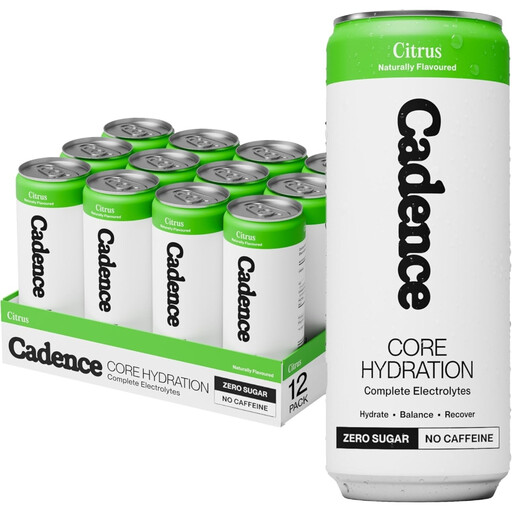 No image available
The 12 x 330ml format offers individual drinks for a gathering. Check sugars, carbohydrate and ingredients on the exact pack before presenting it as a zero-sugar option or serving guests with ingredient restrictions.
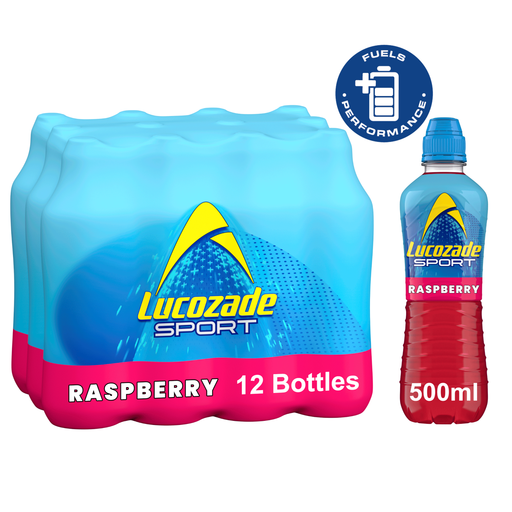 No image available
This isotonic drink comes in 12 x 500ml bottles. If a guest wants carbohydrate for exercise, check this raspberry variant’s nutrition panel rather than assuming it has the same formulation as Lucozade Sport Zero.
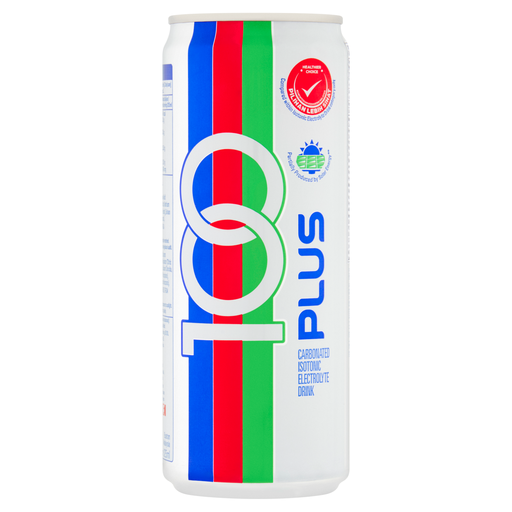 No image available
This 325ml carbonated isotonic drink offers a different serving format from the bottled options. Check its sugars, ingredients and pack information before assigning it a place among the party drinks.
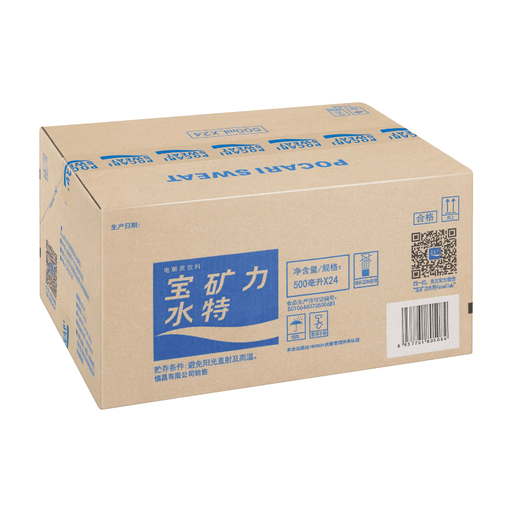 No image available
The 24 x 500ml pack provides individual bottles for a larger gathering. Read the nutrition panel for this drink’s sugars and carbohydrate rather than assuming that all sports drinks have an isotonic or zero-sugar formulation.
No. Water is a straightforward option for ordinary refreshment, and the NHS recommends swapping sugary drinks for diet, sugar-free or no-added-sugar alternatives. Choose a zero-sugar sports drink if guests specifically want that flavoured format, checking the exact label.
Consider it for an actual exercise-fuelling purpose, not simply because someone is at a party. The British Dietetic Association says carbohydrate during exercise can enhance performance when exercise is hard and lasts longer than an hour.
No. Diabetes UK distinguishes sugary drinks used for hypos from sugar-free drinks chosen otherwise. Keep someone’s individual hypo plan and usual treatment separate from the party drinks.
Check the current ingredients and allergen declaration for the exact flavour and pack. An allergen statement for one drink does not apply to every product from the same brand, and formulations can change.
Follow the storage and after-opening instructions on each exact pack. Keep opened bottles identifiable so guests do not mistake them for unopened drinks later.