What should you check before buying?
Decide whether the drink is for ordinary refreshment, planned exercise or a separate low-glucose treatment plan. Then compare the nutrition label and physical pack format for that purpose.
| Priority |
What to check |
Your needs |
| Drink purpose |
Read the product description: soft drink, energy drink or sports drink. Do not assume a zero-sugar can supplies carbohydrate for exercise. |
For everyday refreshment, I want a drink that fits my usual plan, rather than choosing a sports drink simply because I am active. Diabetes UK describes water as the best all-round drink. |
| Carbohydrate and sugars |
Compare both carbohydrate and sugars per 100 ml, then check the figures for the amount you expect to drink. A zero-sugars claim does not answer every carbohydrate question. |
If I am considering a drink during exercise, I need to account for its carbohydrate in my individual plan. Diabetes UK notes that glucose responses to activity vary. |
| Pack format |
Check the container, count and volume. Tesco lists Lucozade Zero Sugar Tropical as 6 × 330 ml cans; Sainsbury's lists Powerade Berry & Tropical as 4 × 500 ml bottles and Gatorade Hydration Booster as powder sachets. |
Cans matter to me if I need a ready-to-drink multipack. I would consider bottles or a mix only if that format also works for how I will use the drink. |
| Ingredients |
Read the current pack for sweeteners, caffeine and allergens where relevant. Check the prepared serving instructions if the product is a powder. |
I want to know what is in the exact variant I will drink, not assume that products under one brand have the same ingredients. |
| Low-glucose supplies |
Keep drinks for routine hydration separate from anything specified in your low-glucose treatment plan. NHS guidance says a blood glucose reading below 4 mmol/L needs action. |
If I keep supplies for a hypo, I need the treatment agreed for me available; a routine sugar-free drink has a different role. |
Brand formats worth distinguishing
These examples show why the product variant and pack format matter more than the brand name alone.
Lucozade
Tesco lists Lucozade Zero Sugar Tropical as 6 × 330 ml cans. Sainsbury's lists Lucozade Sport Orange as a 4 × 500 ml multipack.
- The named Zero Sugar product meets a canned-multipack format requirement.
- Do not treat that product and Lucozade Sport as interchangeable; check each variant's drink type, nutrition and container.
Powerade
Sainsbury's lists Powerade Berry & Tropical as a 4 × 500 ml bottle multipack described as an isotonic sports drink with sugars and sweeteners.
- Its listed format offers a ready-to-drink sports-drink multipack where bottles are acceptable.
- It does not meet a cans-only requirement; check carbohydrate and sugars for the amount you plan to drink.
Gatorade
Sainsbury's lists Gatorade Hydration Booster as three 13.5 g powder sachets, with one sachet mixed into 500 ml of water.
- The sachet format may be worth considering if preparing a drink is acceptable.
- Sachets are not ready-to-drink cans; check the prepared drink's nutrition when planning carbohydrate intake.
Joybuy multipacks for different drink purposes
These options include canned soft-drink multipacks for everyday refreshment and a Lucozade Sport bottle multipack to consider when a carbohydrate-containing sports drink fits an individual exercise plan. The canned options are not sports drinks.
 No image available
Pepsi Max 24 × 330 ml
A canned cola multipack to consider for everyday refreshment, not as a carbohydrate-containing sports drink. Check the current pack's nutrition and caffeine declaration if those affect your choice.
View on Joybuy
 No image available
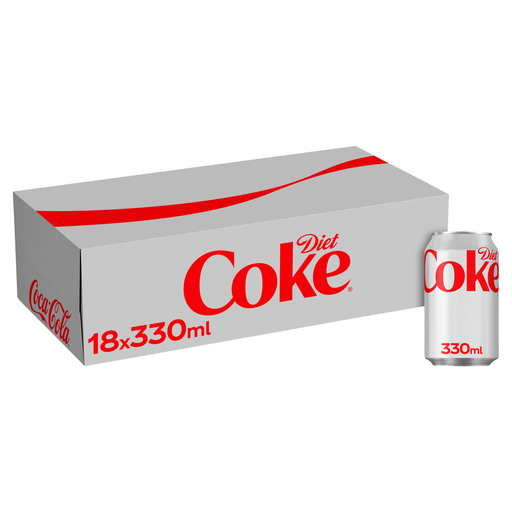
Diet Coke 18 × 330 ml
An 18-can cola pack for those considering a ready-to-drink option for ordinary refreshment rather than sports fuelling. Read the current nutrition and ingredients label for the exact variant.
View on Joybuy
 No image available
7UP Zero 24 × 330 ml
A canned soft-drink multipack for everyday refreshment, not a substitute for planned exercise carbohydrate. Check the pack label for its current nutrition and ingredients.
View on Joybuy
 No image available
Tango Apple Sugar-Free 24 × 330 ml cans
A sugar-free canned soft-drink multipack for ordinary refreshment, not an isotonic sports drink. If carbohydrate or caffeine matters to your choice, check the figures and declarations on the current pack rather than relying on “sugar-free” alone.
View on Joybuy
 No image available
Lucozade Sport Orange 4 × 500 ml
A sports-drink bottle multipack to consider only when its carbohydrate fits your individual exercise plan. It does not meet a cans-only requirement; check the current bottle's carbohydrate and sugars for the amount you intend to drink.
View on Joybuy
Questions about cans, sport and sugar
Is a sports drink the everyday choice if I have diabetes?
A sports-drink label alone is not a reason to choose it for everyday hydration. Diabetes UK describes water as the best all-round drink; if you want another option, compare its carbohydrate and sugars with the amount you would actually drink.
Does a zero-sugar Lucozade can replace Lucozade Sport?
No: the named products differ in format and purpose. Tesco lists Lucozade Zero Sugar Tropical in cans, while Sainsbury's lists Lucozade Sport Orange as a bottle multipack. Check the exact variant against your reason for choosing it.
What changes if I choose a powder multipack instead of cans?
You need to prepare the drink and assess the nutrition of the prepared serving. Sainsbury's instructions for Gatorade Hydration Booster specify mixing one 13.5 g sachet with 500 ml of water; sachets do not meet a ready-to-drink can requirement.
Can my everyday sugar-free drink serve as my hypo supply?
Do not substitute an everyday sugar-free drink for the treatment specified in your low-glucose plan. NHS guidance says a blood glucose reading below 4 mmol/L needs action; follow the advice given to you for recognising and treating a hypo.
What should I read on the pack before drinking?
Check the serving size, carbohydrate, sugars and ingredients, plus caffeine or sweetener declarations where relevant. GOV.UK says prepacked drinks containing any of the 14 named allergens must identify them clearly in the ingredients list.


