For routine drinking across a large household, choose water rather than buying sports drinks as a family staple; the NHS recommends water for hydration. If the aim is to replace sugary drinks, the Eatwell Guide suggests diet, sugar-free or no-added-sugar alternatives as a way to reduce sugar intake. Check carbohydrate-containing isotonic drinks against the intended activity or an individual clinical plan, rather than assuming everyone needs the same drink.
Who is this decision for?
Households cutting back on sugary drinks
If several people regularly take bottles from a multipack, it helps to separate everyday thirst from occasions when someone specifically wants a sports drink. The Eatwell Guide recommends swapping sugary soft drinks for diet, sugar-free or no-added-sugar varieties when reducing sugar intake is the aim.
Families with different activity needs
A ready-to-drink isotonic bottle need not be the default for everyone because one person wants it for exercise. Check who will use a carbohydrate-containing drink and when; NHS Tayside discusses isotonic drinks within its diabetes-and-exercise guidance, not as a routine choice for an entire household.
Shoppers weighing up sweeteners and children’s drinks
A sugar-free label answers one question, but the ingredients and intended drinker still matter. The NHS says approved sweeteners can be alternatives to sugar, while Healthier Together NHS guidance identifies water and milk as the main drinks for young children.
What should you check before buying?
Decide what the drink is for before comparing flavours or pack sizes: routine hydration, a swap for a sugary drink and an activity-specific carbohydrate drink are different purchases.
Water
Choose when: The drink is for ordinary household hydration; the NHS recommends water to replace lost fluids.
Bear in mind: Water does not serve the same carbohydrate-containing role as an isotonic sports drink.
Lower- or no-sugar alternative
Choose when: Someone wants to replace a sugary drink while keeping a flavoured option; the Eatwell Guide identifies sugar-free and diet swaps as ways to reduce sugar intake.
Bear in mind: Check the ingredients and the needs of the person drinking it; the NHS cautions that sweeteners do not automatically make a drink a preferable everyday choice.
Carbohydrate-containing isotonic drink
Choose when: Its carbohydrate content has a specific role in someone’s activity or individual clinical plan.
Bear in mind: NHS Tayside describes isotonic drinks as containing 4–8g carbohydrate per 100ml in its diabetes-and-exercise guidance; that is not a recommendation for routine family drinking.
| Priority |
What to check |
Your needs |
| Everyday drinks |
Decide which drinks are for routine thirst and which have a specific use. Plan the number of bottles likely to be used for each. |
I want the household’s usual drinks to be separate from sports drinks bought for particular occasions. The NHS recommends water for hydration. |
| Sugar |
Compare sugars per 100ml and per bottle or prepared serving. Check whether a lower-sugar label applies to the exact product and flavour. |
When replacing a sugary drink, I want to know what changes in the serving we would actually consume. The Eatwell Guide identifies diet, sugar-free and no-added-sugar swaps as ways to reduce sugar intake. |
| Carbohydrate |
Read carbohydrate per 100ml as well as sugars. Check whether the drink is intended for a particular activity or forms part of an individual clinical plan. |
Only some family members may want a carbohydrate-containing drink for exercise; I do not want to assume it serves the same purpose as water. |
| Ingredients |
Read the ingredients list for sweeteners and other ingredients relevant to the drinker. For young children, consider the guidance for their age group. |
A zero-sugar label alone does not tell me whether a drink fits everyone in the household. Healthier Together NHS guidance identifies water and milk as the main drinks for young children. |
| Format and quantity |
Check bottle volume, pack count and, for powders, the amount of water needed per serving. Compare nutrition on the prepared-drink basis where relevant. |
For a large shop, I need a pack size that fits planned use; sachets that need mixing are not the same as bottles ready to drink. |
Common buying mistakes
-
Making sports drinks the household’s default thirst drink
That can turn a drink chosen for a particular activity into a routine purchase for people who do not need its carbohydrate content. The NHS recommends water for hydration, and the Eatwell Guide advises reducing sugary soft drinks.
Plan routine drinks separately, then choose sports drinks for the people and occasions for which you want them.
-
Assuming every sports drink has the same nutritional role
A powder that needs water, a ready-to-drink isotonic bottle and a sugar-free alternative call for different label checks. Gatorade UK, for example, instructs shoppers to mix one Hydration Booster sachet with 500ml water and describes it as a carbohydrate-and-electrolyte powder.
Compare sugars and carbohydrate per 100ml of the drink as consumed, then check serving size and mixing instructions.
-
Choosing a zero-sugar drink for everyone without checking
The NHS says approved sweeteners can be alternatives to sugar but do not automatically make a drink a preferable everyday option. Healthier Together NHS guidance identifies water and milk as the main drinks for young children.
Read the ingredients and age-relevant packaging, and keep children’s routine drinks distinct from adults’ flavoured alternatives.
Relevant brand references
These examples illustrate formats and label checks, not a recommendation of every product sold under each brand.
Lucozade Sport
Tesco Groceries lists a Lucozade Sport Orange 4 × 500ml multipack among its UK sports drinks.
- The listed bottle and pack sizes make it possible to plan how many ready-to-drink servings a household wants.
- Check the nutrition panel of the exact flavour and pack before treating it as a lower-sugar option.
Powerade
Tesco Groceries lists Powerade Golden Mango Isotonic Sports Drink in a 4 × 500ml multipack.
- The listing identifies a ready-to-drink isotonic format for shoppers considering that type of drink.
- Check the UK product’s own sugars, carbohydrate and ingredients; a different Powerade variant should not stand in for its label.
Gatorade
Gatorade UK describes Hydration Booster as a carbohydrate-and-electrolyte powder supplied in sachets, rather than a ready-to-drink bottle.
- Gatorade UK instructs users to mix one sachet with 500ml water, giving a stated basis for checking the prepared serving.
- Check the prepared drink’s nutrition and allow for the water needed when comparing it with bottled options.
Joybuy drink options
These Joybuy options include a drink powder and ready-to-drink sports or electrolyte beverages. For a family shop, compare each product’s label and intended use with the people who will drink it; water remains the routine hydration option recommended by the NHS.
 No image available
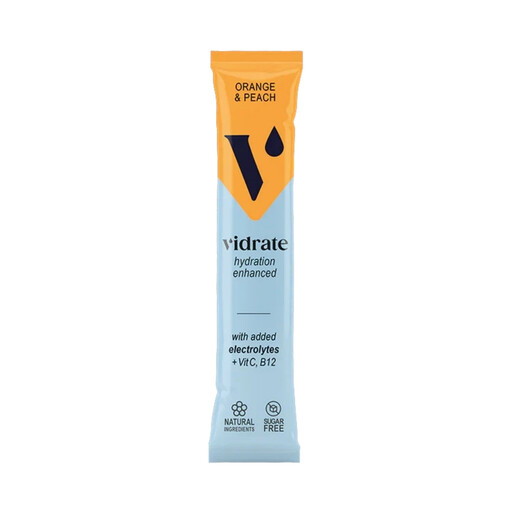
Vidrate Orange & Peach Flavour Hydration Powder, 3g
The 3g powder format is an option when you want to prepare a drink rather than take a ready-to-drink bottle. Check the mixing directions, sugars per prepared serving and ingredients against the needs of each intended drinker.
View on Joybuy
 No image available
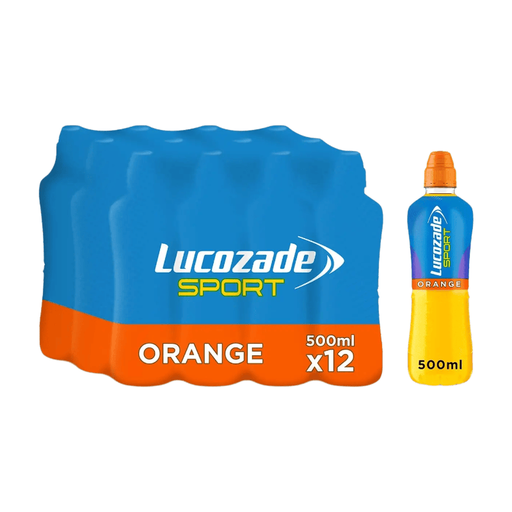
Lucozade Sport Orange, 12 × 500ml
This 12-bottle pack suits a planned purchase of ready-to-drink sports drinks rather than an assumption that everyone needs one daily. Check sugars and carbohydrate per 100ml on this pack when deciding who will use it and when.
View on Joybuy
 No image available
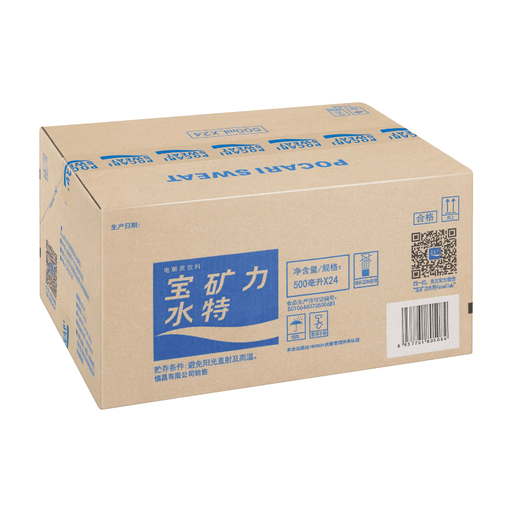
Pocari Sweat Sports Drink, 24 × 500ml
The 24 × 500ml ready-to-drink pack makes planned use particularly important in a large household. Read the sugars and carbohydrate values for this drink before deciding whether the bottles fit particular activity occasions or a sugar-reduction goal.
View on Joybuy
 No image available
Genki Forest Alien Electrolyte Water Drink White Peach, 15 × 600ml
This white peach electrolyte drink comes as fifteen 600ml bottles. If considering it instead of a sugary drink, check the pack’s sugars, carbohydrate and ingredients rather than assuming its nutritional profile from the word “electrolyte”.
View on Joybuy
Frequently asked questions
Should a large family buy sports drinks for everyday hydration?
Water is the routine choice recommended by the NHS for hydration. Buy sports drinks for a particular person’s intended use or preference, rather than treating a multipack as something the whole household needs for thirst.
When is a zero-sugar alternative worth considering?
Consider one when someone wants to replace a sugary drink and reduce sugar intake; the Eatwell Guide identifies sugar-free and diet varieties as possible swaps. Check the exact product’s ingredients and remember that it does not need to replace water as the household’s routine drink.
What should I choose for young children?
Healthier Together NHS guidance identifies water and milk as the main drinks for young children. Do not use a sports-drink or diet label alone to decide whether a product is appropriate for a child; check the packaging and its ingredients.
What if someone manages diabetes around exercise?
They should use their individual clinical plan rather than choose an isotonic drink by a general household rule. NHS Tayside discusses isotonic drinks in its diabetes-and-exercise guidance and describes them as containing electrolytes and 4–8g carbohydrate per 100ml.
Does zero sugar mean a drink has no sweeteners?
No: check the ingredients list to see whether a particular drink contains sweeteners. The NHS says approved sweeteners are considered acceptable alternatives to sugar, but cautions that their presence does not automatically make a drink a preferable everyday choice.


