Adults exercising around the party
Someone planning prolonged exercise may want to compare carbohydrate-and-electrolyte drinks rather than choose by carbonation alone. Check the serving information on the particular product.


If guests mainly want fizz, consider sparkling water rather than assuming a sports drink will be carbonated. For adults choosing a drink around prolonged exercise, check whether a still or carbonated isotonic product supplies the carbohydrates and electrolytes they want. A sparkling protein drink has a different stated purpose, and a zero-sugar drink should not be treated as a like-for-like carbohydrate option.
The useful distinction is whether a guest wants a drink for activity, a lower-sugar sports-style option or simply something fizzy to serve at the party.
Someone planning prolonged exercise may want to compare carbohydrate-and-electrolyte drinks rather than choose by carbonation alone. Check the serving information on the particular product.
For low-intensity activity, a zero-sugar sports-style drink may match a preference to limit sugar. Check its carbohydrate content separately if exercise fuelling is the reason for buying.
When carbonation is the main requirement, sparkling water or another clearly labelled fizzy drink is a more direct choice than assuming an isotonic drink will be sparkling.
Decide whether the drink is for exercise or for serving with the party food, then check the pack for carbonation and the ingredients that matter to your guests.
| Priority | What to check | Your needs |
|---|---|---|
| Drinking purpose | Read whether the product is described as isotonic, a protein drink or an ordinary sparkling drink. For an exercise drink, check the stated carbohydrates and electrolytes rather than relying on its name or packaging. | Am I buying something to serve for its fizz, or does a guest specifically want a drink to take around prolonged exercise? |
| Carbonation | Look for an explicit carbonated or sparkling description. Sainsbury’s describes its Powerade Berry & Tropical isotonic drink as still; a sports-drink label alone does not tell you whether it fizzes. | If I want to serve a fizzy drink at midnight, I need to confirm the actual product is sparkling. |
| Carbohydrate and sugar | Compare the current nutrition panels using the same serving size or per 100ml. Check carbohydrate and sugars separately: a zero-sugar sports-style drink is not automatically a substitute when carbohydrate is the reason for choosing an exercise drink. | I may want a carbohydrate-containing option for planned exercise, but not as the default drink for everyone throughout the party. |
| Other ingredients | Check the ingredient list, caffeine information and any suitability guidance on each pack. A sparkling protein drink and an energy drink should not be assumed to have the same contents as an isotonic drink. | When serving different guests, I want to know what is in each drink before putting it out. |
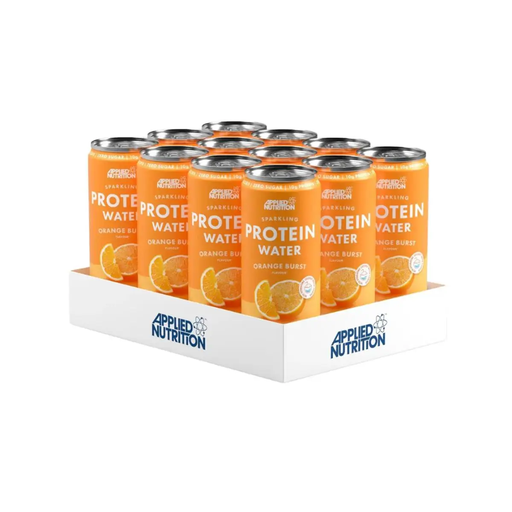
Applied Nutrition’s sparkling Orange Burst product is described as a collagen-protein drink. That does not establish it as a carbohydrate-and-electrolyte drink for prolonged exercise.
Choose it only if its protein-drink format is what you want; check the carbohydrate and electrolyte information if exercise is the reason for buying.
Sainsbury’s describes standard Lucozade Sport Orange as a carbohydrate-and-electrolyte drink for prolonged endurance exercise, while its Lucozade Sport Zero Sugar listing positions that variant for low-intensity exercise.
Check the particular variant and its nutrition panel instead of assuming both serve the same carbohydrate purpose.
Carbonation does not show whether a drink contains caffeine, sugar, protein or the carbohydrate and electrolytes associated with an isotonic product.
Read the current can or bottle before serving, particularly when guests want to avoid caffeine or need to check ingredients.
These examples show how drinks sold under sports and hydration labels can differ; the description of one product should not be applied to every drink from its brand.
Sainsbury’s lists a standard Orange isotonic drink alongside a separate Orange & Peach Zero Sugar sports drink.
Sainsbury’s describes the Berry & Tropical product as a still isotonic sports drink.
Gatorade UK describes its Hydration Booster in terms of carbohydrates and electrolytes.
Tesco lists an own-label Orange isotonic sports drink in a multipack.
These options cover a labelled carbonated isotonic drink, a citrus hydration drink and a sparkling protein drink. Check each product’s purpose rather than treating the three as interchangeable sports drinks.
 No image available
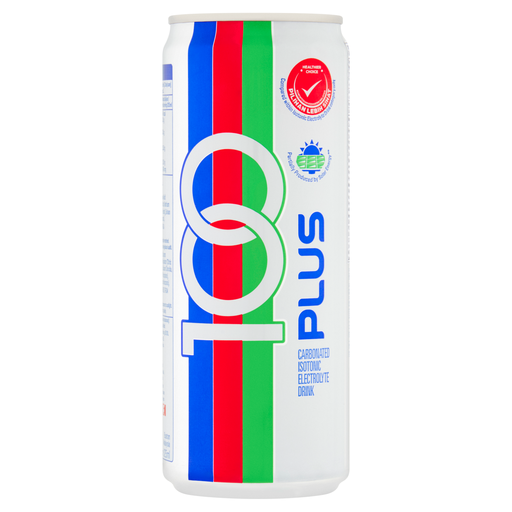
For a guest who specifically wants fizz in an isotonic drink, this product is labelled carbonated and comes in a 325ml can. Check the current can for its sugar, carbohydrate and caffeine information before serving.
 No image available
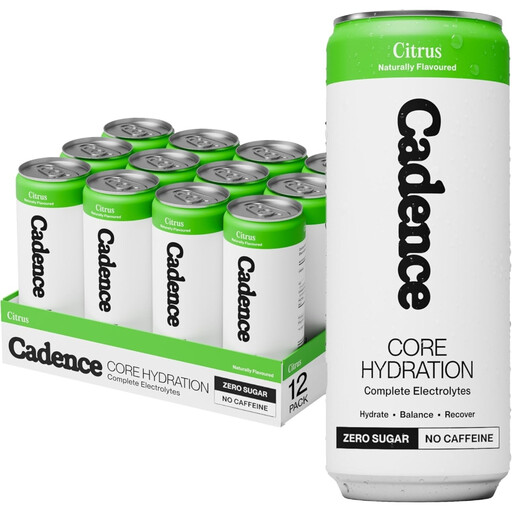
This citrus hydration drink comes in a pack of 12 cans. If you are choosing it for fizz or a particular exercise purpose, check the current pack for carbonation, carbohydrate and caffeine details.
 No image available
Choose this only when a sparkling protein drink is the intended format, not as an assumed substitute for an isotonic exercise drink. Joybuy describes the Orange Burst drink as lightly carbonated with 10g hydrolysed bovine collagen peptides per 330ml can; check the current can for ingredients and suitability information before serving.
No. Fizz describes carbonation, not the drink’s exercise purpose. Sainsbury’s describes Powerade Berry & Tropical as a still isotonic drink, while Joybuy describes Applied Nutrition Orange Burst as a sparkling collagen-protein drink. Check the product description and nutrition label for the role you want.
Sparkling water is a straightforward option when fizz is the main request. The NHS suggests it as an alternative for people who do not enjoy plain water; you do not need to choose a sports-labelled product just to provide carbonation.