Runners who have eaten before a routine 5k
If you have had a carbohydrate-containing breakfast or snack, UK Sports Institute guidance says you probably will not need a sports drink for the run. Water remains an option when you want a drink.


For a routine 5k after a carbohydrate-containing meal or snack, water if needed is usually enough; a sports drink is optional. UK Sports Institute guidance says a carbohydrate drink can be useful if you missed breakfast, while a zero-sugar drink suits someone who wants a flavoured drink without relying on it for carbohydrate fuel. Consider the length of the whole session, the weather and what you tolerate before choosing.
Your pre-run food and your reason for carrying a drink matter more than the word “sport” on its label.
If you have had a carbohydrate-containing breakfast or snack, UK Sports Institute guidance says you probably will not need a sports drink for the run. Water remains an option when you want a drink.
If you cannot eat before setting off, a carbohydrate-containing drink is one way to get some calories, according to the UK Sports Institute. Try your food or drink timing during training rather than for the first time at an event.
A zero-sugar sports drink may appeal if you want a flavoured drink but do not need it to provide carbohydrate. Check the nutrition label rather than assuming an electrolyte drink will replace missed food.
Decide whether you need drink-provided carbohydrate before comparing bottle sizes and nutrition labels. For 45–75 minutes of endurance exercise, World Athletics lists 0–20 g carbohydrate per hour; that guidance does not mean every 5k requires a sports drink.
Choose when: You have eaten before a routine 5k and want a drink only if needed.
Trade-off: Water will not provide carbohydrate if you missed your pre-run food.
Choose when: You missed breakfast and want a portable source of carbohydrate, as described by the UK Sports Institute.
Trade-off: It adds sugars and carbohydrate that you may not need after eating before a routine 5k.
Choose when: You want a flavoured drink but are not looking to it for carbohydrate.
Trade-off: A zero-sugar formulation with negligible carbohydrate cannot replace missed pre-run fuel.
| Priority | What to check | Your needs |
|---|---|---|
| Pre-run fuel | Think about what you ate before the run and whether the 5k is part of a longer session. If choosing a drink for fuel, compare carbohydrate per serving. | I have missed breakfast and would rather drink some carbohydrate than eat immediately before running. The UK Sports Institute identifies this as a situation where a carbohydrate drink can be useful. |
| Fluid | Consider the duration and weather. NHS guidance notes that more fluid may be needed during prolonged physical activity or in a hot environment; it does not require an isotonic drink. | For an ordinary 5k, I want a drink if I need one, without assuming that thirst calls for a sports-drink formula. |
| Carbohydrate and sugars | Read both per-100-ml and per-bottle values. ASDA Groceries lists 6.3 g carbohydrate and 3.5 g sugars per 100 ml for Lucozade Sport Orange, compared with 0.1 g carbohydrate and 0 g sugars per 100 ml for its Orange & Peach Zero Sugar variant. | I want to know whether the drink supplies carbohydrate or is mainly a flavoured drink before choosing it for a run. |
| Timing and ingredients | Check the ingredient list and try the intended amount and timing during training. The UK Sports Institute notes that suitable pre-run eating times vary between individuals. | A familiar drink and routine matter to me more than trying a new flavour or serving size just before a timed 5k. |
World Athletics lists 0–20 g carbohydrate per hour for 45–75 minutes of endurance exercise. UK Sports Institute guidance also says a sports drink is probably unnecessary after a carbohydrate-based breakfast.
Base the choice on your pre-run food and the full session, rather than buying a carbohydrate drink simply because you are running.
ASDA Groceries lists 0.1 g carbohydrate per 100 ml for Lucozade Sport Zero Sugar Orange & Peach. That formulation is not a meaningful source of carbohydrate.
If you need pre-run carbohydrate, consider food or a carbohydrate-containing drink that you have tolerated in training.
A whole bottle may contain several servings. ASDA Groceries lists 20 g sugars in its 500 ml Orange Isotonic Sports Drink, while its listing for Lucozade Sport Orange gives 3.5 g sugars per 100 ml.
Check the bottle size and the amount you intend to drink before comparing labels.
Pre-run food timing varies between individuals, according to the UK Sports Institute. A different drink or serving size also changes the routine you are relying on.
Try the intended food or drink and its timing during training before a timed 5k.
These examples illustrate label differences between specific UK-listed formulations, not a judgement about every product made by each brand.
The Orange and Orange & Peach Zero Sugar drinks listed by ASDA Groceries offer different amounts of drink-provided carbohydrate.
Coca-Cola Great Britain lists a carbohydrate-containing isotonic formulation.
Gatorade UK lists a powder sachet mixed with water rather than a ready-to-drink bottle.
ASDA Groceries lists an own-label Orange Isotonic Sports Drink in a 500 ml bottle.
These are bottled drinks relevant to choosing between hydration-focused and carbohydrate-containing options for a 5k. Check each product’s current label for its ingredients and nutrition per bottle; the brand examples above refer to particular formulations and should not be applied to different flavours.
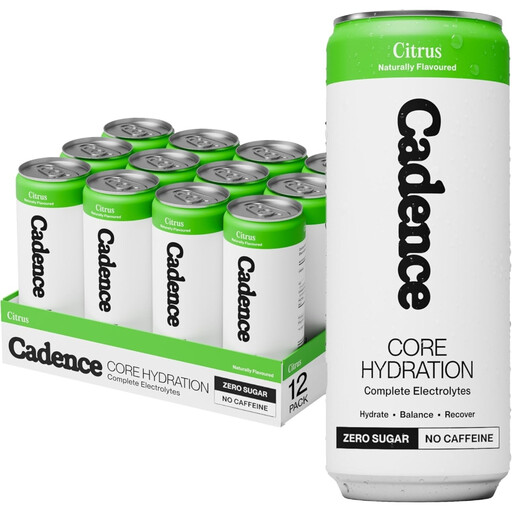 No image available
For a hydration-focused choice rather than a replacement for pre-run food, check the carbohydrate and salt per bottle. The pack contains twelve 330 ml drinks.
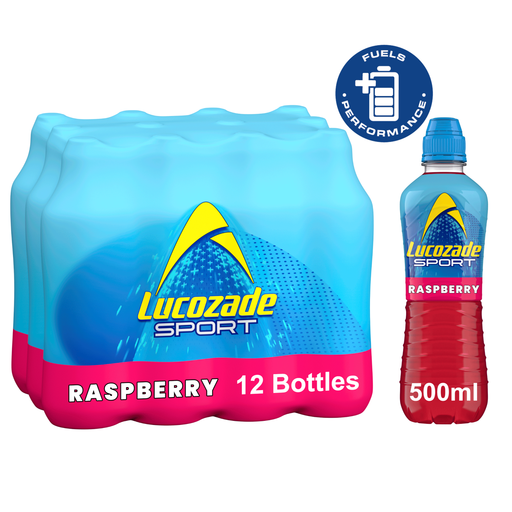 No image available
If you missed pre-run food and prefer a bottled drink, compare the Raspberry variant’s carbohydrate per bottle with what you need. This is a pack of twelve 500 ml bottles; do not use the Orange variant’s nutrition figures as a substitute for its label.
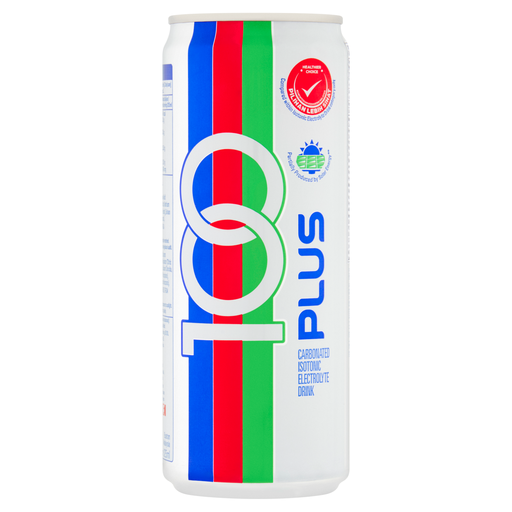 No image available
Consider this 325 ml carbonated drink if that format suits your routine. Check carbohydrate and sugars per bottle if you want drink-based fuel, and try a carbonated drink during training before relying on it for an event.
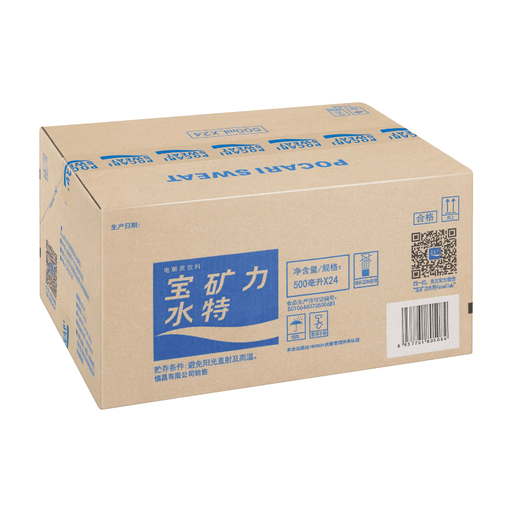 No image available
If you are choosing bottled drinks for repeated runs, consider whether a pack of twenty-four 500 ml bottles fits how often you will use them. Check carbohydrate per bottle if fuelling, rather than hydration alone, is your reason for buying.
 No image available
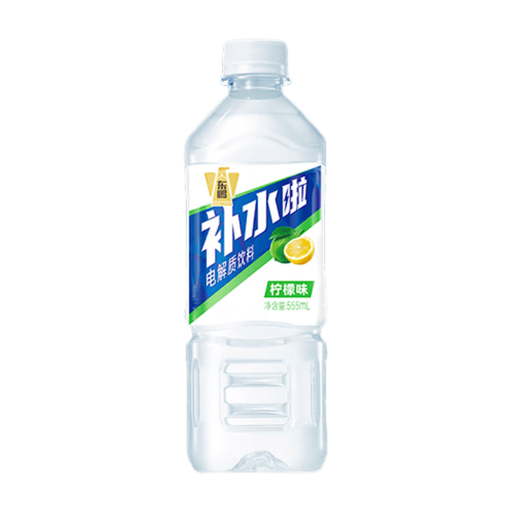
For this 555 ml lemon-flavoured drink, compare carbohydrate and sugars per bottle before deciding whether it fits a fuelling or hydration-focused run. Check how much you would actually drink during a routine 5k.
Usually not if you have eaten beforehand: the UK Sports Institute says a sports drink is probably unnecessary after a carbohydrate-based breakfast. Water is an option if you want a drink. A longer session around the 5k or hot conditions may change what fluid or fuel you need.
A carbohydrate drink can be a practical option if you missed breakfast or do not like eating before a run. The UK Sports Institute describes drinking carbohydrate as a way to get some calories in that situation; try your choice and timing during training.
Not as a meaningful source of carbohydrate if its label is like the Lucozade Sport Zero Sugar Orange & Peach listing at ASDA Groceries, which gives 0.1 g carbohydrate per 100 ml. Check the particular bottle you choose if replacing missed pre-run food is your concern.
If you have time to eat, the UK Sports Institute suggests porridge about an hour before a light run, or a ripe banana when you need something quicker. Pre-run timing is individual, so test what works for you during training.
Check carbohydrate and sugars per serving and per bottle, along with bottle size, salt or sodium and the ingredient list. Per-100-ml figures alone can obscure the amount in a full bottle: ASDA Groceries lists 20 g sugars for its 500 ml Orange Isotonic Sports Drink.