Picnic hosts who prefer glass
If serving drinks in glass matters to you, a sachet mixed into your own bottle is an option where the picnic venue permits glass. Plan how to carry the bottle securely and take it home afterwards.


For a picnic where glass is permitted, an electrolyte sachet mixed in your own glass bottle meets the presentation preference, but it takes preparation and leaves you carrying a breakable container. A ready-to-drink sports drink is simpler to pack for an active group, while water is a straightforward choice for an ordinary picnic; check the venue’s glass guidance before deciding what to bring.
If serving drinks in glass matters to you, a sachet mixed into your own bottle is an option where the picnic venue permits glass. Plan how to carry the bottle securely and take it home afterwards.
For a picnic that includes prolonged walking or games, individual ready-to-drink sports drinks avoid mixing on site. Check the drink’s carbohydrate content and pack size against what the group actually wants.
If the day is mainly about sitting and eating, water is a simple drink to pack. The NHS identifies water as a choice for hydration and advises extra fluids after sweating from physical activity.
Choose it when: Glass presentation matters and the destination permits glass.
Bear in mind: You must mix the drink and carry a breakable bottle; a sachet is not a prefilled glass-bottled sports drink.
Choose it when: Individual, ready-to-serve drinks suit a group planning prolonged activity.
Bear in mind: The Lucozade Sport Fruit Punch bottle identified by ASDA Groceries is plastic, not glass; check each drink’s nutrition label.
Choose it when: You want a drink for a relaxed picnic rather than a carbohydrate-containing sports drink.
Bear in mind: Water does not have the carbohydrate-and-electrolyte formulation of the sports drinks discussed here.
| Priority | What to check | Your needs |
|---|---|---|
| Glass and venue rules | Check the named park or event’s guidance. Consider how you will protect and bring home a glass bottle; Cheshire East Council advises plastic cups and bottles where possible in its parks because broken glass poses a hazard. | I’d like to serve drinks in glass, but the container has to suit the place we’re visiting. |
| Activity and drink type | Decide whether the group wants water, or a drink containing carbohydrates and electrolytes for prolonged activity. The NHS advises extra fluids after sweating from physical activity. | If we’re mostly relaxing, I can pack water; if we’re active for longer, I want to check what a sports drink contains. |
| Nutrition and ingredients | Compare sugars on the same per-100ml or per-serving basis. ASDA Groceries lists 4.1g sugars per 100ml for Powerade Berry & Tropical and 20g per 500ml bottle for ASDA Orange Isotonic; check sweeteners and product warnings too. | I want to know what each person is drinking, rather than assuming every isotonic drink has the same recipe. |
| Preparation and quantity | Check the number and size of servings, whether mixing needs water, and what you can carry. Humantra says to mix one sachet with 500ml to 1,000ml water; the cited Lucozade Sport and Powerade packs each contain four 500ml bottles. | For a group, I’d rather choose the right number of drinks than bring a multipack nobody plans to use. |
Broken glass can pose a hazard in shared outdoor spaces. Cheshire East Council asks visitors to its parks to use plastic cups and bottles where possible.
Check the specific venue’s guidance before packing glass. Where glass is permitted, protect the bottle in transit and take it home afterwards.
Recipes differ: ASDA Groceries lists 20g sugars in a 500ml bottle of ASDA Orange Isotonic, while its Powerade Berry & Tropical listing gives 4.1g per 100ml.
Read the nutrition and ingredient panels for the exact flavour and serving size you intend to buy.
A multipack may leave you carrying drinks the group did not want, particularly if water would meet the plans for the day.
Count the people who want individual sports drinks, then choose bottles or sachets accordingly and pack water for those who prefer it.
Ready-to-drink sports drinks, including 500ml bottles and multipacks.
Ready-to-drink isotonic products available in bottle multipacks.
Its UK Hydration Booster is a sachet-based drink mix rather than a prefilled glass-bottle option.
Electrolyte sachets that the brand says to mix with 500ml to 1,000ml water.
Own-label ready-to-drink isotonic products, including Orange Flavour Isotonic Sports Drink.
These drinks are ready-to-serve options for a picnic. Check the container material on the product page if you specifically want glass; the can-format option does not meet a glass-bottle preference.
 No image available
Four individual drinks could suit a picnic group that wants ready-to-serve portions. Check the current label for nutrition information and confirm the bottle material before buying for a glass-focused picnic.
 No image available
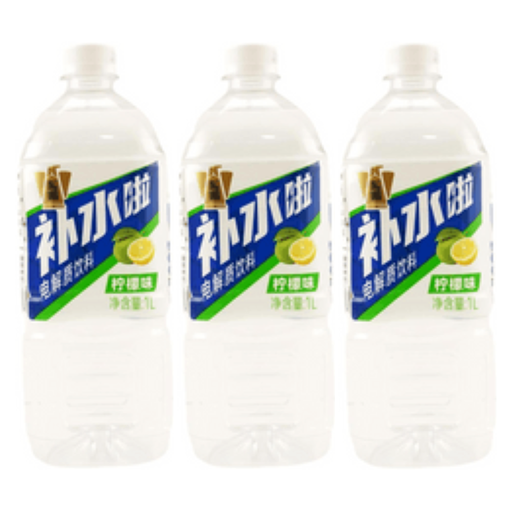
A three-drink pack offers ready-to-serve portions without mixing at the picnic. The name specifies a sweetener; check the ingredient and nutrition labels, and confirm the container material if glass is important.
 No image available
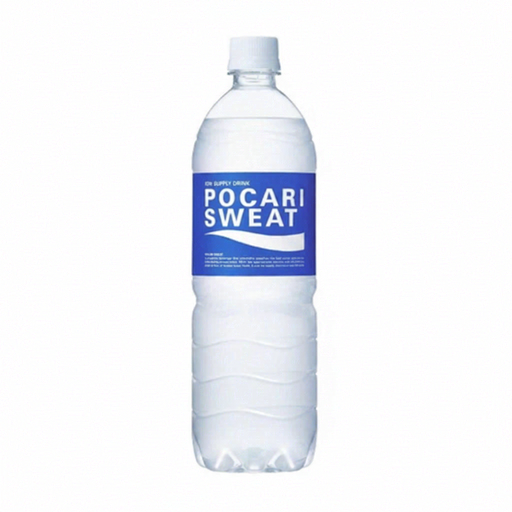
The 900ml ready-to-drink format is worth considering if you want a larger container rather than separate small drinks. Check the current nutrition label and bottle material before deciding whether it suits your group and venue.
 No image available
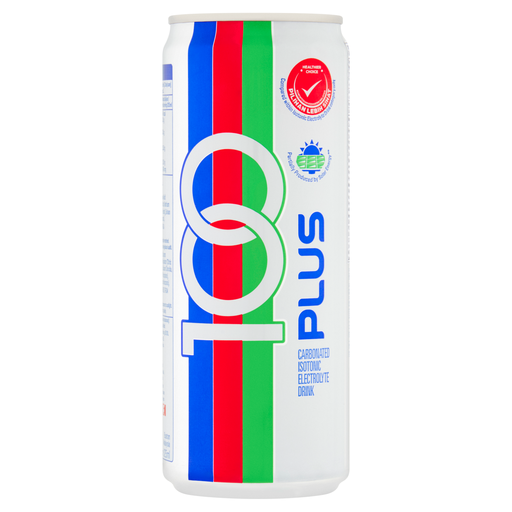
This 325ml carbonated drink offers a smaller ready-to-serve portion. It is listed in a can, so it does not provide a glass-bottle presentation; check the current nutrition label if ingredients or sugars affect your choice.
You can mix a suitable sachet in your own glass bottle if the venue permits glass. Humantra gives mixing instructions for its sachets, while ASDA Groceries identifies the cited Lucozade Sport Fruit Punch bottle as plastic; check any prefilled drink’s packaging rather than assuming it is glass.
Check the rules or guidance for the specific park or event. Cheshire East Council, for example, asks visitors to use plastic cups and bottles where possible because broken glass is hazardous to visitors and wildlife; that guidance is not a rule for every UK picnic site.
A carbohydrate-and-electrolyte drink may fit a group specifically planning prolonged activity and wanting that drink formulation, but it is not necessary for every picnic guest. The NHS identifies water as a choice for hydration and advises extra fluids after sweating from physical activity.
Compare the current labels using the same volume or serving size. ASDA Groceries lists Powerade Berry & Tropical at 4.1g sugars per 100ml and ASDA Orange Isotonic at 20g per 500ml bottle; those figures have different stated bases and refer to specific products.