For a routine gym session, start with water: the NHS recommends it for replacing lost fluid. A zero-sugar sports drink is a flavoured option when you do not want sugar in your drink, but check its carbohydrate content before relying on it for fuel. If you are exercising hard for longer than an hour, a carbohydrate-containing drink may have a role; the British Dietetic Association says carbohydrate during that kind of exercise can enhance performance.
Who is choosing a gym-bag drink?
People packing for a light workout
If you mainly want a drink to carry to a routine session, decide whether water meets that need or whether you would prefer a flavoured, zero-sugar option. Check the nutrition panel rather than assuming every drink labelled for sport contains carbohydrate.
People training hard for longer
If your session involves hard exercise lasting more than an hour, carbohydrate during exercise may be relevant, according to the British Dietetic Association. Check how much carbohydrate the drink provides per 100 ml and in the amount you plan to carry.
What should you check before packing one?
Choose according to the session and the job you want the drink to do, then compare the actual pack labels.
| Priority |
What to check |
Your needs |
| Carbohydrate for exercise |
Compare carbohydrate per 100 ml and per serving. Check whether the drink is a conventional carbohydrate-containing product or a zero-sugar variant. |
For a hard session lasting more than an hour, I may want a drink that contributes carbohydrate. The British Dietetic Association says carbohydrate during such exercise can enhance performance. |
| Sugar and ingredients |
Read sugars, carbohydrate and energy on the nutrition panel, as well as the ingredients list if sweeteners matter to you. Check the bottle size when comparing servings. |
For a routine workout, I would rather have water or a flavoured drink without sugar than carry a carbohydrate drink I do not plan to use for fuel. |
| Fluid and format |
Check the volume you will carry, whether the drink is ready to drink or needs mixing, and its salt or sodium declaration if comparing electrolyte products. |
I want a drink that fits in my gym bag and suits where I will train. A powder sachet only works as a drink once I have water to mix it with. |
Common mix-ups to avoid
-
Assuming zero-sugar and conventional sports drinks do the same job
A zero-sugar label does not tell you that a drink supplies the carbohydrate you might want during longer, hard exercise.
Compare carbohydrate per 100 ml. Choose a carbohydrate-containing drink when drink-based fuel is part of your plan; choose a zero-sugar option when that is not its purpose.
-
Packing a sports drink for every session
The NHS recommends water for replacing lost fluid. A routine workout does not, by itself, establish a need for a sports drink.
Decide what the session calls for before adding another bottle to your gym bag.
-
Choosing by the word “sport” alone
Drinks with similar names can have different nutrition profiles. ASDA Groceries lists its Lucozade Sport Orange bottle as providing approximately 16 g carbohydrate per 250 ml, while its Lucozade Sport Zero Sugar Orange & Peach listing describes a zero-sugar drink.
Read the current pack for carbohydrate, sugars and serving size, particularly when switching between variants.
Brand and product-line references
A brand name is not enough to identify a drink’s nutrition: compare the particular variant and its current label.
Lucozade Sport
The Orange and Zero Sugar variants serve different drink choices.
- ASDA Groceries lists approximately 16 g carbohydrate per 250 ml for Lucozade Sport Orange.
- Its Zero Sugar Orange & Peach variant is labelled zero sugar; check carbohydrate separately if you need drink-based fuel.
Powerade
Powerade has a conventional isotonic line and a separately labelled Zero variant.
- Coca-Cola GB describes conventional Powerade as containing carbohydrate.
- Tesco Groceries describes Powerade Zero Berry Tropical as zero sugar; do not assume it has the same carbohydrate content as the conventional line.
Gatorade
Gatorade UK presents Hydration Booster as a powder sachet mixed with water.
- The brand describes the powder as containing carbohydrate and electrolytes.
- It needs water and preparation, so check the individual sachet label and mixing instructions rather than comparing it with a ready-to-drink bottle by name alone.
Joybuy sports-drink options
These bottled options cover carbohydrate-containing isotonic drinks and a hydration drink presented without carbohydrate fuel. Use the pack label to decide which fits your session; water remains an option for fluid replacement.
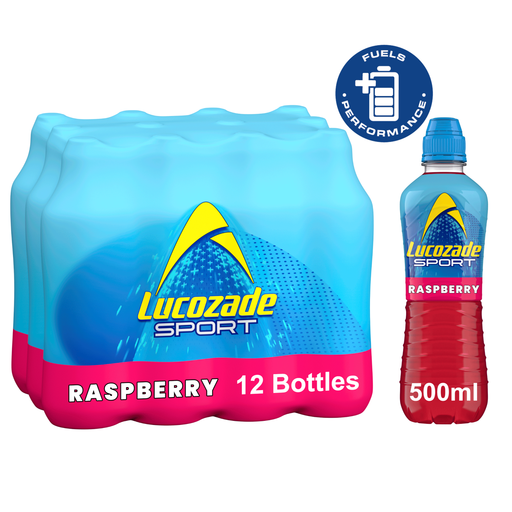 Image unavailable
Lucozade Sport Raspberry Isotonic Drink, 12 x 500 ml
This multipack offers ready-to-drink bottles for sessions where you are considering an isotonic drink. Check the current pack’s carbohydrate, sugars and ingredients against what you want from the drink.
View on Joybuy
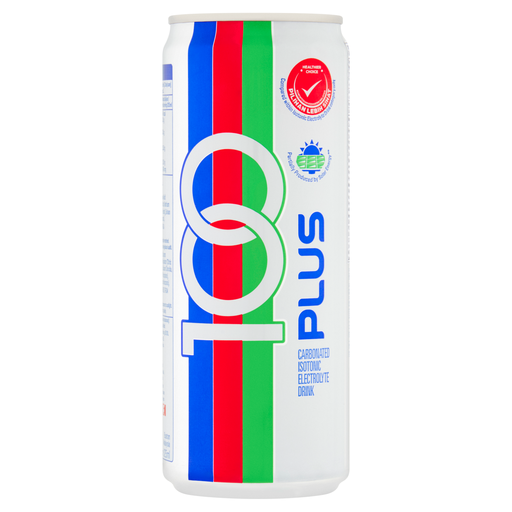 Image unavailable
F&N 100 Plus Malaysian Carbonated Isotonic Drink, 325 ml
This carbonated isotonic option comes in a 325 ml format. Consider whether you want a fizzy drink during exercise, and check the pack’s carbohydrate and sugars before choosing it for fuel.
View on Joybuy
 Image unavailable
Lucozade Sport Orange, 4 x 500 ml
Four 500 ml bottles offer a ready-to-drink format. If you are considering this pack for carbohydrate during exercise, read its current nutrition panel rather than assuming it matches another Lucozade Sport variant.
View on Joybuy
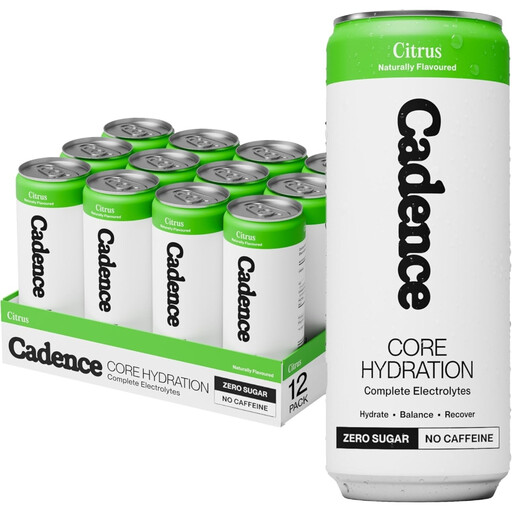 Image unavailable
Cadence Core Hydration Drink Citrus, 12 x 330 ml
This 330 ml bottled format is an option to compare when drink-based carbohydrate fuel is not your aim. Check the pack’s carbohydrate and salt declarations; do not assume a hydration drink has an isotonic formulation.
View on Joybuy
Frequently asked questions
Do I need a sports drink for a normal gym workout?
Not necessarily. The NHS recommends water for replacing lost fluid. If you want a sports drink as well, decide whether you need carbohydrate for the session or simply prefer a flavoured option.
Will a zero-sugar sports drink fuel a long workout?
Do not rely on the words “zero sugar” to answer that: check carbohydrate per serving on the bottle. The British Dietetic Association says carbohydrate during exercise can enhance performance when you are exercising hard for longer than an hour, so a drink with little or no carbohydrate will not serve the same fuelling purpose.
Why check the bottle label when buying a familiar drink?
Variants under the same sports-drink name can differ. Check the actual pack’s carbohydrate, sugars, serving size and ingredients so you choose the drink you intended to carry.


