Hotels serving active adult guests
If guests are heading to training or an endurance event after breakfast, a clearly identified sports drink can sit alongside water. The drink’s stated use and formulation matter more than its presentation.


Keep water as the everyday breakfast drink and offer labelled sports drinks as a separate, activity-related choice. Glass presentation is a separate decision: use it only where the hotel can control breakage and keep information for the exact drink available to guests. Check each pack’s bottle material rather than assuming a sports drink comes in glass.
If guests are heading to training or an endurance event after breakfast, a clearly identified sports drink can sit alongside water. The drink’s stated use and formulation matter more than its presentation.
A glass bottle or decanter changes how staff must handle breakage near exposed food and drink. It also changes how guests see product information if the original label is removed.
Where guests may want a flavoured drink around lower-intensity activity, a zero-sugar variant is a different choice from a regular carbohydrate-containing sports drink. Keep the variants clearly identified.
Decide what role each drink has at breakfast, then check its exact label and how it will be served. Glass does not determine whether a drink’s formulation suits a guest’s activity.
| Priority | What to check | Your needs |
|---|---|---|
| Drink choice | Keep water readily available. For a sports drink, check the exact variant’s stated use, ingredients and carbohydrate information. | I need an everyday drink for breakfast guests, with a separate option for those choosing a drink around exercise. NHS guidance identifies water as a straightforward hydration choice; Sainsbury's and Coca-Cola Great Britain describe the reviewed regular sports drinks in an exercise context. |
| Formulation | Compare sugar information per 100ml and per serving on the exact labels. Distinguish regular drinks from zero-sugar variants, including any sweeteners or warnings. | Some guests may prefer a flavoured option around lower-intensity activity, while others want a carbohydrate-containing drink. The reviewed Lucozade Sport Zero Sugar variant is described by Sainsbury's as designed for low-intensity exercise. |
| Serving format | Confirm the pack’s bottle material. If using glass or decanting, plan how staff will isolate affected food and drink and clean the area after breakage. | I want the buffet to look considered without adding an unmanaged glass hazard beside exposed breakfast food. London Borough of Bromley guidance addresses physical contamination, while the Food Standards Agency calls for hazard-based food-safety procedures. |
| Product information | Identify the precise flavour and variant. Keep its ingredient, allergen and nutrition information accessible if the original labelled bottle is not on display. | Guests need to know which drink they are taking, especially when drinks have been poured into other containers. The Food Standards Agency requires allergen information for both prepacked and non-prepacked food and drink supplied by food businesses. |
Broken glass can physically contaminate nearby food or drink. Food-safety controls must suit the actual buffet layout and service arrangements, not just the intended appearance.
Assess breakage before changing the display. Set out how staff will isolate the area, remove affected items and clean up; the Food Standards Agency’s hazard-based food-safety guidance and Health and Safety Executive workplace-risk guidance are relevant to those procedures.
Glass service also brings breakage-response, cleaning and staff-training work.
Regular sports drinks contain sugars and are described by the reviewed brands in an exercise context. That positioning does not make them the everyday choice for every breakfast guest.
Keep water easy to find, and label sports-drink variants so guests can distinguish a regular formulation from a zero-sugar one. NHS guidance identifies water as a straightforward hydration choice.
Removing a drink from its labelled bottle can separate it from ingredient and allergen information. Flavours and variants should not be treated as interchangeable.
If drinks are decanted, identify the exact product served and make its allergen information available to guests. The Food Standards Agency’s allergen guidance applies to both prepacked and non-prepacked food and drink.
These brands illustrate different formulations to check; a brand name alone does not establish the bottle material of a particular pack.
The reviewed 500ml Orange and Zero Sugar Orange & Peach variants have different stated uses.
Coca-Cola Great Britain describes Powerade as a still, isotonic sports drink containing carbohydrates.
The reviewed Tesco listing identifies Cool Blue as a 500ml sports drink.
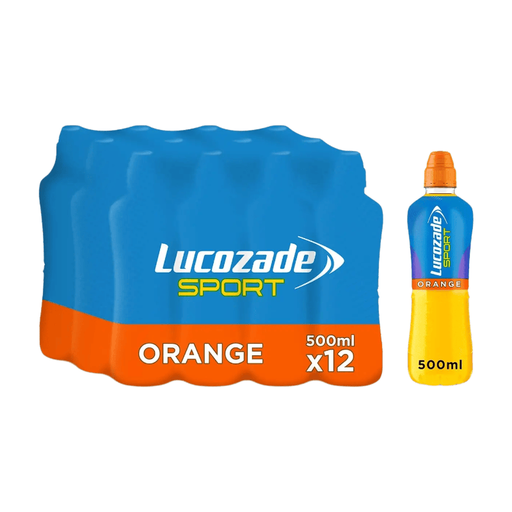
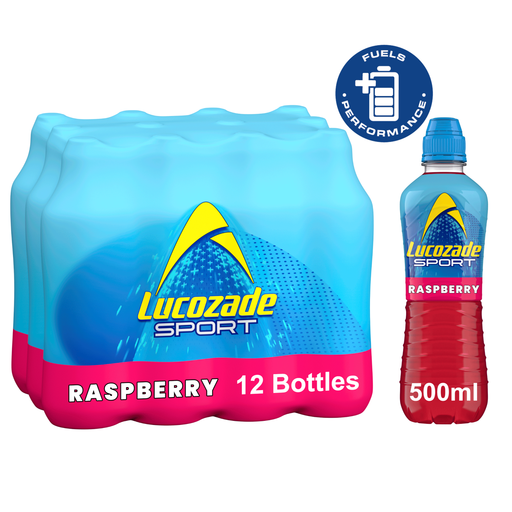
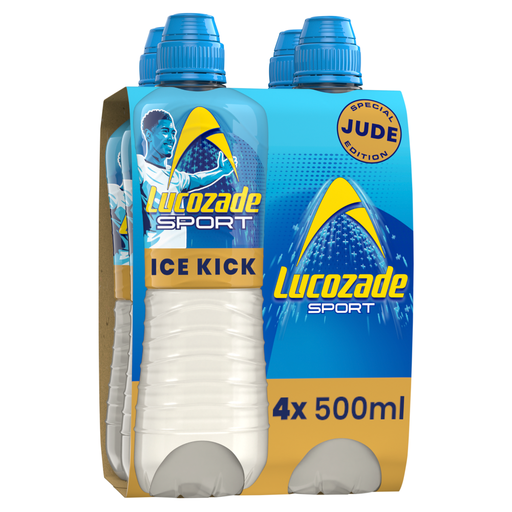
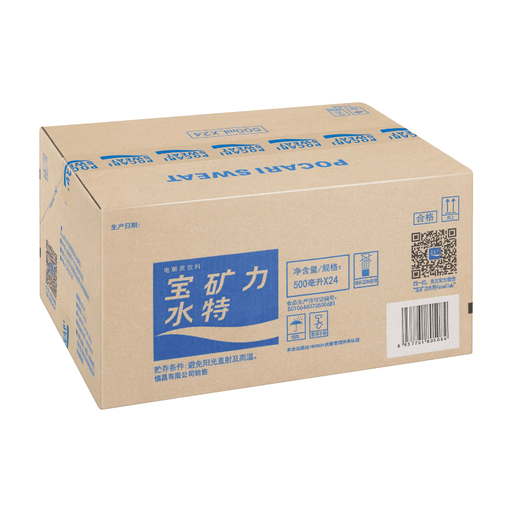
These bottled sports-drink packs offer individual 500ml servings for an activity-related buffet choice. Check each pack’s material before planning a glass-bottle display, and keep water available separately.
 No image available
A 12-pack of individual bottles for a separately labelled sports-drink choice at breakfast. Check the exact pack’s bottle material before using it for a glass-focused display.
 No image available
A 12-pack of individual raspberry sports drinks for an activity-related option. Check the exact label for ingredients and a phenylalanine warning, and confirm the bottle material before choosing a display format.
 No image available
A four-pack of individual bottles for a clearly identified sports-drink option. Keep information for this flavour available, including any phenylalanine warning on the exact label; confirm the bottle material separately.
 No image available
A smaller Orange multipack than the 12 × 500ml option above. For buffet labelling, check this pack’s exact intended-use wording and bottle material rather than assuming its presentation matches another pack.
 No image available
A 24-pack of individual sports drinks for a separately identified buffet option. Check the exact nutrition label before comparing its formulation with other drinks, and confirm the bottle material before planning glass service.
Assess how breakage could affect nearby food and drink, then set practical steps for isolating the area, removing affected items and cleaning up. London Borough of Bromley guidance addresses physical contamination, while the Food Standards Agency calls for hazard-based food-safety procedures; the controls need to fit the hotel’s service.
Yes. The Food Standards Agency requires food businesses to provide allergen information for both prepacked and non-prepacked food and drink. If a drink leaves its original labelled bottle, identify the exact variant served and ensure guests can obtain its allergen information.
Offer it as a clearly differentiated choice for adult guests selecting a drink around training or prolonged endurance activity, rather than as the default breakfast drink. The reviewed regular Lucozade Sport, Powerade and Gatorade descriptions place their carbohydrate-containing drinks in an exercise context; check the exact variant’s label.
Yes. Keep water readily available for everyday breakfast hydration and present sports drinks as a separate option. NHS guidance identifies water as a straightforward hydration choice.
Check the exact flavour and variant, ingredients, allergen information, sugar values, any sweeteners or warnings, and the bottle material. A regular Lucozade Sport Orange drink and the Zero Sugar Orange & Peach variant have different formulations and stated uses, according to their Sainsbury's listings.