For an ordinary hotel breakfast before travel, sightseeing or light activity, water is a straightforward choice. If prolonged, high-intensity exercise is planned, the British Nutrition Foundation says carbohydrate consumed during exercise lasting around 60–90 minutes or more can improve performance; a regular sports drink is one way to obtain it. A zero-sugar drink offers a flavoured alternative without the carbohydrate supplied by a regular version, so check the exact bottle rather than relying on its brand or colour.
Who is choosing a drink?
Guests heading to a long training session
If breakfast comes before a long run, cycle or match, the useful distinction is whether you want carbohydrate during the activity. The British Nutrition Foundation identifies a potential performance benefit from consuming carbohydrate during longer, high-intensity exercise.
Guests planning a quieter day
For travel, sightseeing or light activity, a regular sports drink may add sugar without serving the same exercise-fuelling purpose. Compare it with water or a zero-sugar option if you would prefer a flavoured drink.
Guests checking ingredients
If an ingredient or allergen matters to you, inspect the exact sealed bottle. For a drink served loose or decanted, ask hotel staff for its product and allergen information before drinking it.
What matters when choosing?
Water
Choose when: Breakfast precedes a rest day, travel or light activity, and you do not want carbohydrate from a drink.
Trade-off: Water does not provide the carbohydrate found in regular sports drinks.
Regular sports drink
Choose when: You want carbohydrate for prolonged, high-intensity exercise and have checked how much the drink provides.
Trade-off: It also adds sugars; check the amount in the bottle, not just the serving shown on the label.
Zero-sugar sports drink
Choose when: You want a flavoured sports-drink-style option without sugar from the drink.
Trade-off: A version declaring 0g carbohydrate will not provide carbohydrate for endurance fuelling.
Start with the activity you have planned, then compare the nutrition and ingredient panels of the drinks actually offered.
| Priority |
What to check |
Your needs |
| Exercise plans |
Consider the session’s duration and intensity. Compare carbohydrate per 100ml or serving if you plan to consume it during exercise. |
I’m heading to a long, high-intensity session and want to know whether carbohydrate during it would be useful. The British Nutrition Foundation identifies a potential benefit for exercise lasting around 60–90 minutes or more. |
| Sugars |
Compare sugars per 100ml and the bottle size. Coca-Cola GB lists 4.1g sugars per 100ml for regular Powerade Berry & Tropical Fruits; Tesco lists 0g per 100ml for Powerade Zero Berry Tropical. |
Before a quieter day, I would rather not add sugar through a drink chosen simply because it is on the buffet. |
| Label details |
Read carbohydrate, sugars and salt on the same per-100ml basis; check the ingredient list for sweeteners. A traffic-light label, where present, gives another way to view sugar, salt and fat declarations. |
I want to compare the actual bottles, not assume regular and zero-sugar versions are alike. In the Food Standards Agency and Ipsos Northern Ireland’s 2024 survey of 611 interviewees, approximately 49% said they actively used traffic-light labelling when shopping for food; that figure is not specific to sports drinks. |
| Ingredients and allergens |
Inspect the current sealed bottle and its allergen information. If a drink is unlabelled or decanted, ask hotel staff to identify it and provide the relevant information. |
With an ingredient or allergen requirement, I need information for the drink being served, rather than a previous bottle or another variant from the same brand. |
Choices worth a second look
-
Taking a regular sports drink just because it is on the buffet
Its sugars may be an unnecessary addition if the day involves only travel, sightseeing or light activity. Coca-Cola GB lists 4.1g sugars per 100ml for regular Powerade Berry & Tropical Fruits.
Decide what activity follows breakfast before choosing the bottle. Water is an alternative; if you want a flavoured option without sugar, check a zero-sugar drink’s label.
-
Expecting zero sugar to provide the same carbohydrate
Tesco lists 0g carbohydrate per 100ml for Powerade Zero Berry Tropical. That differs from a regular carbohydrate-containing sports drink when exercise fuelling is the reason for choosing one.
For prolonged, high-intensity activity, compare the declared carbohydrate content and plan when you intend to consume it. For light activity, do not choose added carbohydrate solely because a bottle is labelled for sport.
-
Assuming every version of a brand has the same ingredients
Regular and zero-sugar variants can have different nutrition declarations and ingredient lists, which matters when you are checking sweeteners or allergens.
Read the bottle being served. If it has been decanted or you cannot inspect its label, ask hotel staff for the exact product and allergen information before drinking it.
Relevant brand ranges
Lucozade Sport
The regular Orange drink and Zero Sugar Orange & Peach serve different carbohydrate preferences.
- Tesco describes regular Lucozade Sport Orange as providing approximately 16g carbohydrate per 250ml serving.
- Tesco describes the Zero Sugar Orange & Peach variant as sugar-free; it should not be treated as the same carbohydrate-fuelling option.
Powerade
Its regular and zero-sugar Berry Tropical variants provide a direct label comparison, provided you check the exact product name.
- Coca-Cola GB lists 4.1g carbohydrate and 4.1g sugars per 100ml for regular Powerade Berry & Tropical Fruits.
- Tesco lists 0g carbohydrate and 0g sugars per 100ml for Powerade Zero Berry Tropical; it does not supply the carbohydrate declared for the regular variant.
Gatorade
Gatorade UK describes Hydration Booster as a carbohydrate-and-electrolyte powder mix, rather than a sealed ready-to-drink buffet bottle.
- A powder format is an option when you have a bottle and can prepare the drink.
- Preparation takes an extra step; check the nutrition information for the drink as prepared when carbohydrate content matters.
Sports-drink options on Joybuy
These options include ready-to-drink, carbohydrate-containing sports or electrolyte drinks and a hydration drink to consider if you want no carbohydrate from the drink. Compare each product’s current label with your activity plans; a pack listing does not tell you what a particular hotel serves.
 No image available
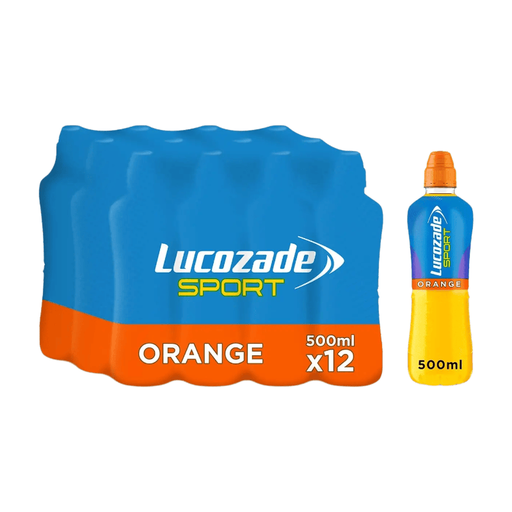
Lucozade Sport Orange 12 × 500ml
Consider this regular sports-drink format when planning carbohydrate intake for a long, high-intensity session. The listing is for twelve 500ml bottles; check the current bottle’s carbohydrate, sugars and ingredients, particularly if sweeteners or phenylalanine matter to you.
View on Joybuy
 No image available
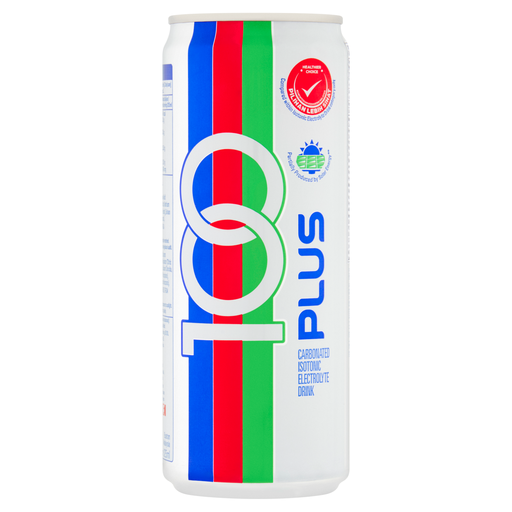
F&N 100 Plus Malaysian Carbonated Isotonic Drink 325ml
This 325ml carbonated isotonic drink is a regular, rather than zero-sugar, option to assess against your planned activity. Compare its current carbohydrate and sugars declarations with other bottles on the same per-100ml basis.
View on Joybuy
 No image available
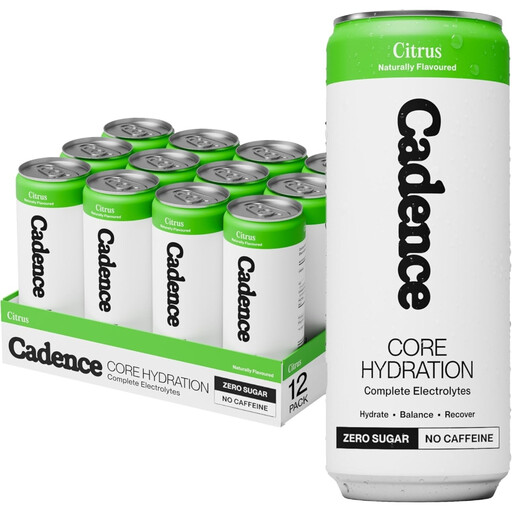
Cadence Core Citrus Hydration Drink 12 × 330ml
Consider this canned hydration drink if you want to compare a no-carbohydrate option with regular sports drinks. The pack contains twelve 330ml cans; check the current can’s carbohydrate, salt, ingredients and allergen information before deciding whether it meets your needs.
View on Joybuy
 No image available
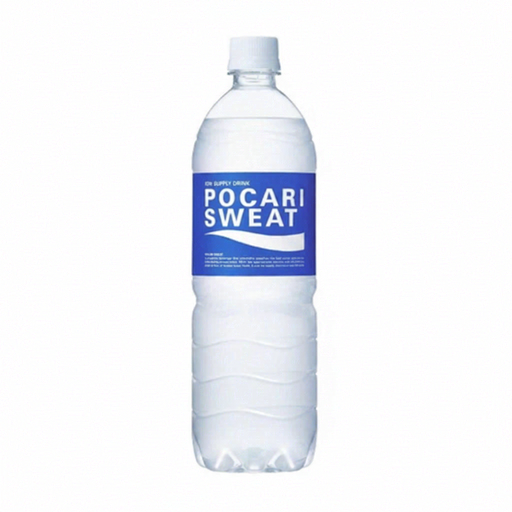
Pocari Sweat Drink 900ml
This 900ml bottle is a larger single-bottle format than the other individual drinks shown here. If comparing it with a zero-sugar option, inspect the current label for both carbohydrate and sugars per 100ml rather than treating those figures as interchangeable.
View on Joybuy
 No image available
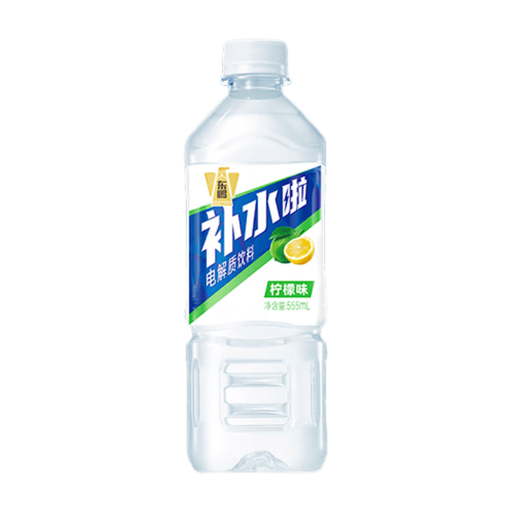
DP Lemon Electrolyte Drink 555ml
For this 555ml electrolyte drink, compare the current package’s carbohydrate and sugars figures before choosing it over a zero-sugar bottle. Check the ingredient list as well: the product title’s sweetener wording needs to be reconciled with the ingredients on the package.
View on Joybuy
Questions about buffet drinks
Do I need a sports drink before a day of travel or sightseeing?
Water is a straightforward choice when prolonged, high-intensity exercise is not planned. NHS guidance advises limiting sugary drinks, while the British Nutrition Foundation’s performance case for consuming carbohydrate during exercise concerns longer, high-intensity sessions.
Does a zero-sugar sports drink provide the same carbohydrate as a regular one?
Not in the Powerade variants documented here. Tesco lists 0g carbohydrate per 100ml for Powerade Zero Berry Tropical, whereas Coca-Cola GB lists 4.1g per 100ml for regular Powerade Berry & Tropical Fruits. Check the exact variant if carbohydrate during exercise is the reason for choosing it.
How do I compare the sugar in different bottle sizes?
Start with each exact product’s sugars figure per 100ml, then account for how much you intend to drink. Coca-Cola GB lists 4.1g sugars per 100ml for regular Powerade Berry & Tropical Fruits; 500ml of that formulation would contain 20.5g sugars. A stated serving may be smaller than the whole bottle.
What if the buffet drink is decanted or I need allergen information?
Ask hotel staff to identify the drink and provide its allergen information before you consume it. For a sealed bottle, read that bottle’s current label rather than assuming another flavour or an earlier version has the same ingredients.
Is a branded bottle included with my hotel breakfast?
Check your booking’s breakfast terms and ask hotel staff what the buffet includes. The presence of a branded drink at one hotel does not establish what another hotel provides.


