Parents buying everyday drinks for children
For snacks, outings and ordinary holiday play, the NHS identifies water and milk as the preferred drinks for children and advises avoiding sugary fizzy drinks.


For a child’s routine school holiday snack, choose water or milk rather than a sugary fizzy drink or an exercise-oriented sports drink: the NHS identifies water and milk as the preferred drinks for children and advises avoiding sugary fizzy drinks. If fizz is the attraction, plain sparkling water with no added sugar meets that preference without treating an isotonic drink as an everyday refreshment. Check the individual label, because a sports-drinks shelf can include still drinks and other drink types.
For snacks, outings and ordinary holiday play, the NHS identifies water and milk as the preferred drinks for children and advises avoiding sugary fizzy drinks.
If carbonation is what the child wants, plain sparkling water with no added sugar is a different choice from a sugary fizzy drink. Check the individual product rather than assuming that a sports-drinks shelf identifies its contents.
An exercise drink serves a different purpose from a child’s snack drink. The Lucozade Sport Orange label shown by Tesco describes its intended user as an adult who trains or takes part in sport.
Start with who will drink it and why, then check the drink type, carbonation and label rather than choosing by shelf category alone.
| Priority | What to check | Your needs |
|---|---|---|
| Everyday drink | For a child’s routine snack, distinguish water or milk from sugary fizzy drinks and exercise-oriented formulations. The NHS identifies water and milk as the preferred drinks for children and advises avoiding sugary fizzy drinks. | I’m choosing something to serve with snacks or during ordinary holiday activities, not to fuel prolonged exercise. |
| Fizz and drink type | Look for an explicit sparkling or carbonated description and read the product category. Coca-Cola Great Britain describes Powerade as still; Gatorade UK describes its reviewed hydration product as a sachet mixed into water. | Fizz is the feature I’m looking for, so I don’t want to mistake a still sports drink or a nearby energy drink for sparkling water. |
| Sugar information | Read sugars per 100ml and the bottle size on the current label; check ingredients when choosing plain sparkling water with no added sugar. Tesco lists 3.5g sugars per 100ml for Lucozade Sport Orange. | I want to understand what the drink contributes alongside the day’s snacks, rather than judging it by the words “sport” or “sparkling”. |
| Exercise use | Check the stated user and intended activity. Tesco describes Lucozade Sport Orange as a carbohydrate-and-electrolyte drink for prolonged endurance exercise and labels it for adults who train or take part in sport. | If I’m buying for my own training, I need to assess the exercise product on its stated terms—not use that purpose as a reason to serve it with a child’s snack. |
Isotonic products can contain exercise-oriented carbohydrates and sugar. Tesco lists 3.5g sugars per 100ml for Lucozade Sport Orange; the NHS instead identifies water and milk as the preferred drinks for children.
For an ordinary snack, start with water or milk. If fizz matters, check for plain sparkling water with no added sugar.
Coca-Cola Great Britain describes Powerade as still, while Gatorade UK describes its reviewed hydration product as a powder sachet. Neither format establishes that the prepared drink is fizzy.
Check the individual pack or description for an explicit sparkling or carbonated statement before buying.
Sainsbury’s lists energy drinks and a sparkling product alongside sports drinks on its sports-drinks browse page. Their placement together does not make them the same type of drink.
Read the product name, ingredients and description instead of substituting a nearby fizzy item for the drink you intended to buy.
The current pack is the practical place to check the drink you are about to serve, particularly when ingredients, nutrition or warnings matter.
Read its nutrition, ingredient and allergen information before serving.
These examples help distinguish exercise drinks from the plain sparkling-water option for a child’s snack; they do not indicate which brands Joybuy stocks.
Tesco describes Lucozade Sport Orange as an isotonic drink for prolonged endurance exercise.
Coca-Cola Great Britain describes Powerade as a still isotonic sports drink intended for exercise.
Gatorade UK describes its reviewed Hydration Booster offer as a carbohydrate-and-electrolyte powder sachet to mix into water.
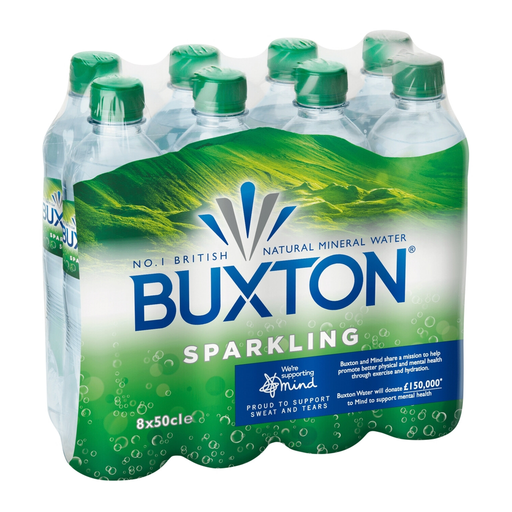
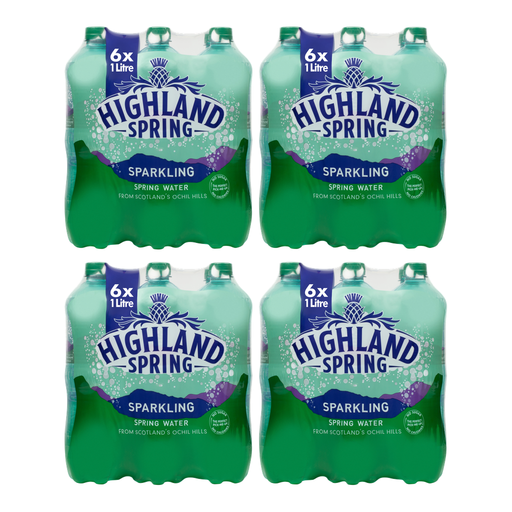
These are sparkling-water options for occasions when a child wants fizz with a school holiday snack. They are not sports drinks; check the current pack for ingredients and serving details.
 No image available
A sparkling-water option when fizz is wanted with a snack, rather than an exercise drink. The product description identifies carbonated natural mineral water, 0g sugars per 100ml and eight 500ml bottles.
 No image available
A sparkling mineral-water option for pouring with snacks at home rather than an exercise drink. Its listed ingredients contain no sugar-containing ingredient; check the current nutrition label and confirm the total bottle count before buying.
Choose water or milk for a child’s routine snack rather than seeking an exercise drink. The NHS identifies water and milk as the preferred drinks for children and advises avoiding sugary fizzy drinks; if fizz is the preference, check for plain sparkling water with no added sugar.
An isotonic sports drink is formulated for a stated exercise use, so check that use before buying. Tesco describes Lucozade Sport Orange as providing carbohydrates and electrolytes for prolonged endurance exercise, and its label says it is for adults who train or take part in sport.
Look for “sparkling” or “carbonated” on the individual product description or pack. Coca-Cola Great Britain describes Powerade as still, and Gatorade UK describes its reviewed hydration product as a sachet mixed into water; the sports-drinks category name alone does not tell you whether a drink has fizz.
Read the current ingredient, nutrition, allergen and warning information for the particular drink. If sugar matters to your choice, compare the per-100ml figure with the amount likely to be served rather than relying on the product category.