Who is choosing?
The useful distinction at lunch is whether someone wants an everyday drink, a flavoured zero-sugar option or carbohydrate as part of an exercise-related drink.
Employees choosing a lower-sugar lunch drink
If carbohydrate fuelling is not the aim, water is an everyday option. The NHS also suggests swapping sugary drinks for diet or sugar-free alternatives; check the particular drink’s label if you prefer a flavoured option.
Staff exercising around the working day
For prolonged endurance exercise, a drink containing carbohydrate may serve a different purpose from a zero-sugar one. Compare the carbohydrate per serving and the product’s stated use rather than relying on the words “sports drink”.
Canteen buyers serving different preferences
Keeping water, a zero-sugar option and a carbohydrate-containing option distinct makes their dietary roles clearer. Check the delivered pack when selecting and labelling stock, as formulations can change.
Brand and product-range references
These examples show why the exact variant matters; a brand name alone does not establish a drink’s sugar content or intended use.
Lucozade Sport
The cited UK products include a Zero Sugar drink and a standard Orange isotonic drink with different stated exercise roles.
- Sainsbury’s describes Zero Sugar Orange & Peach as designed for low-intensity exercise and lists about 16g carbohydrate per 250ml for standard Orange, positioned for prolonged endurance exercise.
- Select by the exact flavour and current pack label; the standard Orange carbohydrate figure must not be applied to a Zero Sugar variant.
Powerade
The cited ready-to-drink variants include both Zero Berry Tropical and carbohydrate-containing Golden Mango.
- Tesco Groceries lists 0g carbohydrate and 0g sugars per 100ml for Zero Berry Tropical, compared with 4.1g of each per 100ml for Golden Mango.
- Those figures belong to the named variants, not the whole range; read the ingredients and nutrition information for the one being ordered.
Gatorade
The cited Hydration Booster is a powder mixed with water, rather than a ready-to-serve canteen bottle.
- Gatorade UK states that each sachet contains 13.5g carbohydrate and is mixed with 500ml water, giving buyers a defined preparation format to plan for.
- It is not a zero-carbohydrate substitute for a bottled Zero drink, and serving it requires preparation.
Joybuy drink options
These options include carbohydrate-containing drinks for activity-related choices and an electrolyte drink to consider separately when carbohydrate fuelling is not the aim. Water remains an everyday canteen option; compare each packaged drink’s current label before serving it.
 No image available
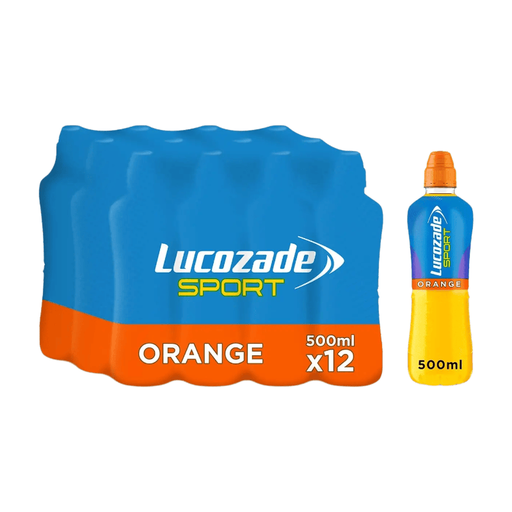
Lucozade Sport Orange 12 × 500ml
A ready-to-drink multipack to consider when stocking a carbohydrate-containing sports drink for staff exercising around work. Its exercise-related role differs from routine lunch hydration; check the delivered pack’s sugars, ingredients and dietary statements.
View on Joybuy
 No image available
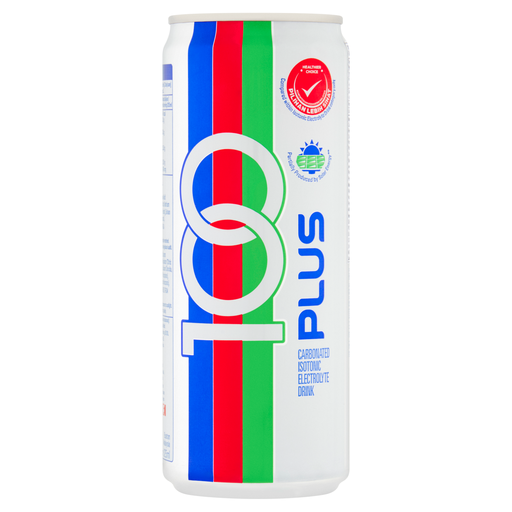
F&N 100 Plus Malaysian Carbonated Isotonic Drink 325ml, Halal
A carbonated, ready-to-drink can for someone considering an isotonic option around activity. It is a carbohydrate-containing choice rather than a zero-sugar lunch drink; check the current nutrition and ingredient label for the people it will serve.
View on Joybuy
 No image available
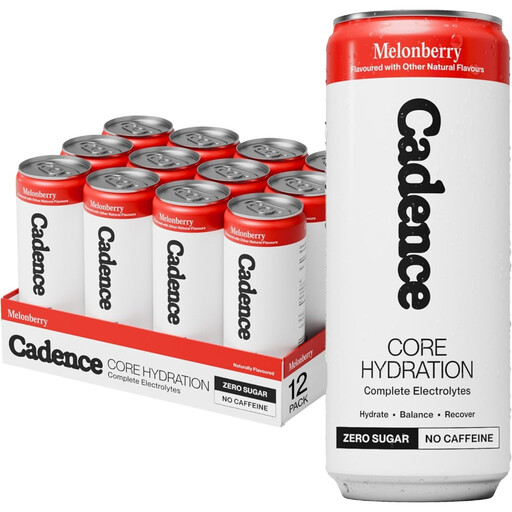
Cadence Core Hydration Drink Melonberry, 12 × 330ml
A ready-to-drink electrolyte option to consider separately from drinks chosen for carbohydrate fuelling. Check the delivered pack’s nutrition information, particularly its salt content, when choosing for a mixed-diet canteen.
View on Joybuy
 No image available
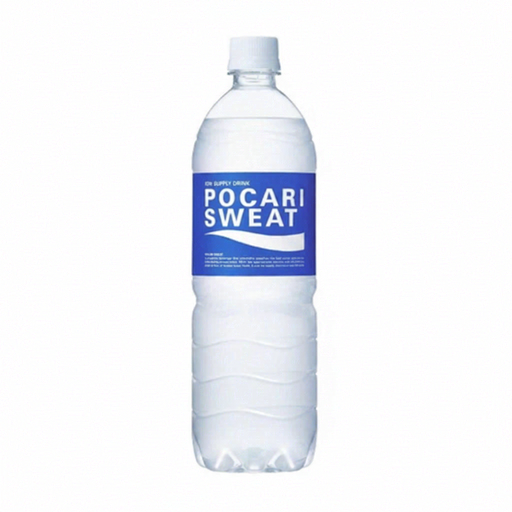
Pocari Sweat Drink 900ml
A ready-to-drink bottle to assess for activity-related serving rather than assuming it is a zero-sugar lunch option. Consider whether 900ml fits the canteen’s serving arrangements, and use the current pack label to compare sugars and carbohydrate.
View on Joybuy
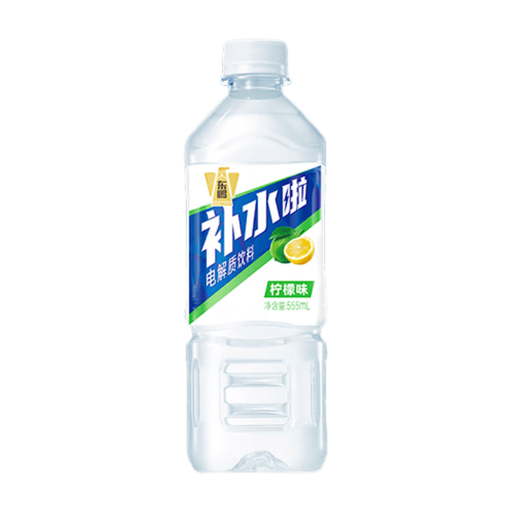 No image available
DP Electrolyte Drink Lemon Flavour with Sweetener 555ml
A ready-to-drink electrolyte beverage to compare with other activity-related options. It is not a zero-sugar lunch choice; check the current pack for sugars, carbohydrate and electrolyte information rather than assuming an endurance-fuelling role from its name.
View on Joybuy
Questions about canteen drinks
Should sports drinks be the default at a workplace lunch?
No. For everyday drinking, offer water; the NHS identifies it as a way to replace lost fluids. Keep sports-drink formulations as distinct choices for people who want a flavoured option or have an exercise-related reason to consider carbohydrate in a drink.
When does a zero-sugar sports drink fit?
It can fit when someone wants a flavoured sports-style drink without carbohydrate fuelling. Check the exact variant’s nutrition and ingredients: Tesco Groceries lists 0g carbohydrate and sugars per 100ml for Powerade Zero Berry Tropical, but that figure must not be assumed for every product bearing “Zero” in its name.
When should I consider a carbohydrate-containing isotonic drink?
Consider one when carbohydrate in a drink is relevant to prolonged endurance exercise, rather than treating it as the automatic lunch drink. Sainsbury’s positions Lucozade Sport Orange for that activity and lists about 16g carbohydrate per 250ml; compare the serving and sugars on the drink actually being offered.
Which label details matter for a mixed-diet canteen?
Check the delivered pack for sugars and carbohydrate per 100ml and per serving, ingredients, allergens, sweeteners, salt or sodium information, and any phenylalanine statement. Keep the menu description tied to the exact flavour and formulation being served.


