Lunch-break walkers and commuters
If activity is light but you want a portable flavoured drink, the decision is whether you want a sports-drink format at all and, if so, whether it adds sugar.


For a desk-based lunch or short walk, water is the NHS’s everyday hydration choice. If you want a flavoured sports drink without sugar, check the exact zero-sugar variant; choose a carbohydrate-electrolyte drink when exercise makes its carbohydrate relevant, rather than treating it as a default lunch drink.
If activity is light but you want a portable flavoured drink, the decision is whether you want a sports-drink format at all and, if so, whether it adds sugar.
For prolonged or demanding exercise, a carbohydrate-electrolyte drink may be relevant when you deliberately want carbohydrate alongside fluid. Its label still matters when choosing what to drink.
Compare sugars and serving sizes on the particular bottle rather than assuming every sports drink—or every flavour within a range—has the same nutrition profile.
Start with the activity planned around lunch, then compare the nutrition information for the amount you expect to drink.
| Priority | What to check | Your needs |
|---|---|---|
| Everyday hydration | Decide whether lunch involves exercise or mainly sitting, walking or commuting. The NHS identifies water as an everyday hydration option. | If I just need a drink with lunch or after a short walk, I can choose water without assuming I need a sports drink. |
| Sugars and serving size | Read sugars, carbohydrate and energy per 100 ml and per serving. Check how many servings are in the bottle; zero-sugar wording applies to the named variant. | I want a flavoured drink without sugar from the drink, or I need to compare what a whole bottle contributes—not just its stated serving. |
| Exercise fuel | Check whether the drink contains carbohydrate and electrolytes, and whether your planned exercise calls for carbohydrate. Coca-Cola Great Britain describes regular Powerade as an isotonic carbohydrate drink for exercise; Tesco lists Gatorade Cool Blue as containing sugar and sweeteners. | For a prolonged exercise session around lunch, I may want carbohydrate with my drink. For an inactive lunch, that is not the reason I am buying it. |
| Carrying and preparation | Compare bottle size, pack quantity and whether the drink is ready to drink or must be mixed with water. Sainsbury’s lists Gatorade Hydration Booster as powder sachets containing carbohydrate and electrolytes. | A bottle is straightforward to carry and open; sachets make more sense for me only if I will have water and a way to mix them. |
Regular sports drinks can contain carbohydrate intended for exercise. For everyday hydration, the NHS identifies water as an option without needing an exercise-specific drink.
Choose according to what your lunch break involves: hydration alone, a flavoured zero-sugar drink, or carbohydrate alongside fluid for a relevant exercise session.
Tesco lists Lucozade Sport Zero Sugar Orange & Peach at 4 kcal per 250 ml serving and Powerade Zero Berry Tropical as calorie-free. Neither description makes the drink a lunch.
Choose food separately; use the drink for the role its label describes.
A serving may be smaller than the bottle. The NHS advises adults to have no more than 30 g of free sugars a day, so the amount drunk matters when comparing regular varieties.
Check sugars and carbohydrate per 100 ml and per serving, then account for the number of servings you expect to drink.
The named Zero Sugar Orange & Peach variant provides a zero-sugar option alongside the wider sports-drink range.
The zero-sugar Berry Tropical variant and regular exercise-oriented drinks serve different choices.
The named UK examples include a ready-to-drink sports drink and a powdered drink mix.
Its grocery listings give shoppers product-specific information for named sports-drink variants.
Its sports-drinks category and Gatorade Hydration Booster listing offer a retailer reference for bottles and powder sachets.
These options include isotonic drinks, a citrus hydration drink and a lemon-flavoured electrolyte drink. Their formats differ, so check the exact pack’s sugars and serving size against your lunch-break plans.
 No image available
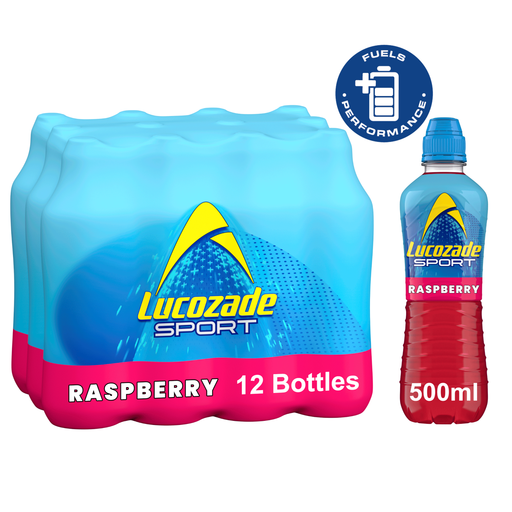
A ready-to-drink isotonic option for exercise around lunch; compare sugars for the amount you plan to drink. The product information warns that it contains aspartame, a source of phenylalanine, and is unsuitable for people with phenylketonuria.
 No image available
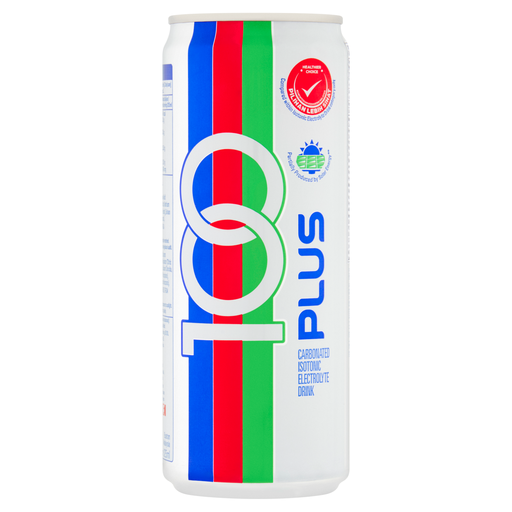
This carbonated isotonic drink is an option to compare for activity around lunch. It is not a zero-sugar choice; check the sugars declaration on the can if avoiding drink sugar is your priority.
 No image available
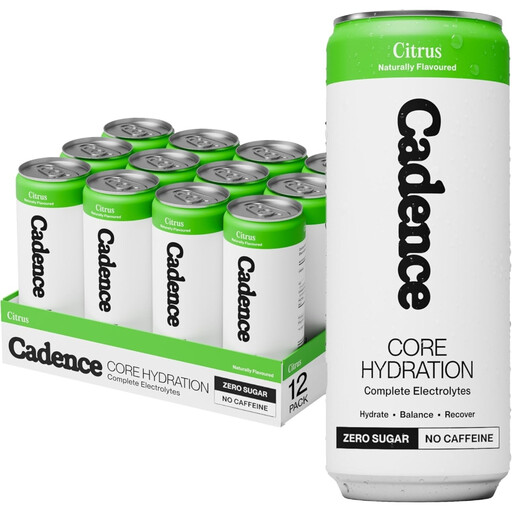
The 330 ml format can be carried with lunch. Check the sugars and salt declarations on the can against what you want from the drink; it does not replace lunch food.
 No image available
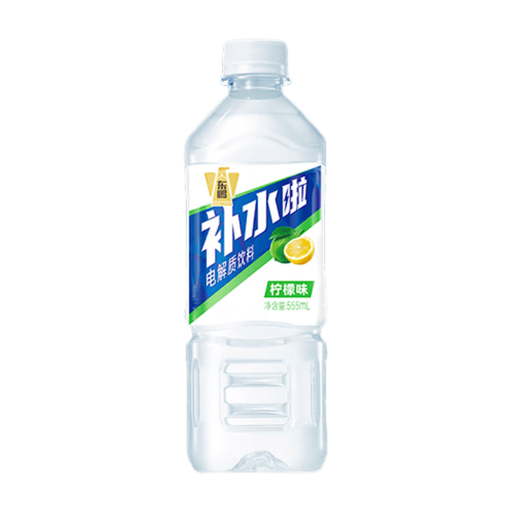
A 555 ml lemon-flavoured electrolyte drink to compare for an active lunch break. Check the whole bottle’s sugars declaration before choosing it for an ordinary lunch.
If you want a flavoured sports drink without drink sugar, choose a named zero-sugar variant and check its label; for everyday hydration, the NHS identifies water as an option. A regular carbohydrate-electrolyte drink is a different choice when exercise makes carbohydrate intake purposeful.
No. Tesco lists Lucozade Sport Zero Sugar Orange & Peach at 4 kcal per 250 ml serving and Powerade Zero Berry Tropical as calorie-free; choose lunch food separately rather than treating either drink as a meal.
Check energy, carbohydrate and sugars per 100 ml and per serving, then see how many servings the bottle contains. GOV.UK states that nutrition information is required on prepacked food; the exact variant’s declaration is more useful than a range-wide assumption.
Not as a default hydration choice. The NHS identifies water as an everyday option, while Coca-Cola Great Britain describes regular Powerade in the context of exercise-related carbohydrate and fluid intake; match the drink to the activity you are actually doing.