Buyers stocking desk-side fizz
If carbonation is the main requirement for meetings or a shared fridge, sparkling water addresses it without requiring a sports-drink formula. The NHS suggests sparkling water for people who do not enjoy plain water.


For routine desk-side fizz, choose a sparkling drink such as sparkling water rather than assuming a sports drink is needed. For drinks intended around exercise, compare the exact sports-drink formulation and whether it is carbonated: some options are still, while the F&N 100 Plus product listed below is labelled carbonated. Check nutrition and ingredients for each flavour before stocking a shared fridge.
The useful starting point is whether the drinks are for everyday refreshment, activity-related occasions or a shared supply with varied preferences.
If carbonation is the main requirement for meetings or a shared fridge, sparkling water addresses it without requiring a sports-drink formula. The NHS suggests sparkling water for people who do not enjoy plain water.
For drinks intended around workouts or other strenuous activity, decide whether a ready-to-drink sports drink or a powder mixed when needed fits the setting. Check the exact product for carbonation rather than assuming either format is fizzy.
A mix of sparkling water and selected sports drinks allows staff to choose by occasion. Keep the exact packs or their labels available so people can check ingredients, sugars, sweeteners and any caffeine information for themselves.
Set the intended use and carbonation requirement first, then compare labels and pack formats for the drinks that meet both.
| Priority | What to check | Your needs |
|---|---|---|
| Carbonation | Look for “sparkling” or “carbonated” on the exact product. Your Coca-Cola UK describes Powerade as still; the F&N 100 Plus product listed below is labelled carbonated. | I want fizz in the office fridge, so a sports-drink name alone will not tell me whether a drink meets that preference. |
| Intended use | Distinguish a sports-drink formulation from sparkling water, then consider whether the drinks are for exercise-related occasions or routine desk work. | For ordinary meetings, I may just want a sparkling drink. If staff want a sports drink around activity, I will compare that category separately. |
| Sugars and carbohydrates | Read the exact flavour’s nutrition panel per 100ml and check the bottle or serving size. Coca-Cola Great Britain lists 4.1g sugars per 100ml for Powerade Berry & Tropical Fruits; Tesco describes approximately 16g carbohydrate per 250ml serving for Lucozade Sport Orange. Those figures measure different things. | I want to know what each stocked portion contains rather than treating every sports drink, flavour or bottle size as equivalent. |
| Preparation and storage | Compare ready-to-drink packs with products that need mixing. Gatorade UK instructs buyers to mix one of its carbohydrate-and-electrolyte sachets with 500ml water. | A bottle is useful when people need to pick up a drink immediately; sachets only fit our setup if water and mixing containers are available. |
| Shared-supply labels | Check ingredients, nutrition, sweetener wording and any caffeine declaration on the exact flavour and pack. Do not infer them from the brand or drink category. | People using the shared supply need enough label information to choose a drink that matches their own preferences. |
An order of still drinks will miss a request for fizz. Your Coca-Cola UK explicitly describes Powerade as still, while Gatorade UK’s cited product is a powder mixed with water.
Make carbonation a separate requirement and confirm “sparkling” or “carbonated” on the exact product before ordering.
A sports-drink formulation may supply sugars and carbohydrates that were not the reason staff asked for refreshments. Coca-Cola Great Britain lists 4.1g sugars per 100ml for Powerade Berry & Tropical Fruits.
Stock water, including sparkling water if fizz is wanted, for routine refreshment. Consider sports drinks separately for the activity-related occasions they are intended to cover.
Ingredients and nutrition can differ between products and flavours, so a familiar brand name does not establish what is in the exact drink being supplied.
Review the label or supplier information for the chosen pack, including ingredients, nutrition, best-before information and any sweetener or caffeine statements.
These references help distinguish bottled still sports drinks from a mix-at-use format; check the exact product if carbonation is essential.
A ready-to-drink isotonic sports-drink range that Coca-Cola’s UK pages describe as still.
A bottled sports-drink option; Tesco lists Lucozade Sport Orange in single-bottle and 4 × 500ml formats.
Gatorade UK offers a carbohydrate-and-electrolyte powder format for buyers who prefer to mix a drink when needed.
These two options address different reasons for wanting fizz: a carbonated isotonic drink and sparkling water for routine refreshment. Check the exact label before choosing either for a shared supply.
 No image available
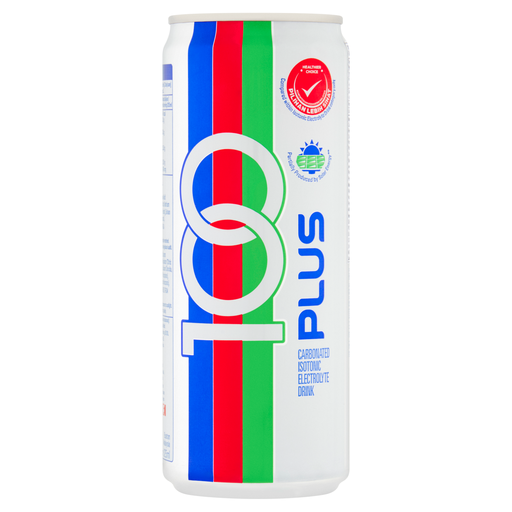
This 325ml carbonated isotonic electrolyte drink combines the requested fizz with a sports-drink format. Check the exact can’s nutrition, ingredients and caffeine information before stocking it for a shared office.
 No image available
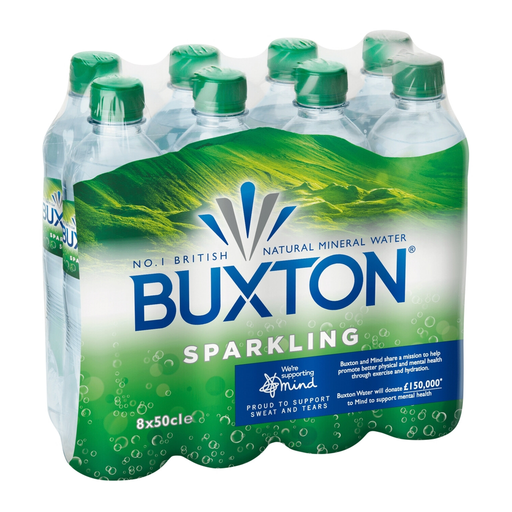
For desk-side fizz without choosing a sports drink, this sparkling water comes as eight 500ml bottles. It is water, not an isotonic sports-drink formulation.
No sports-drink formula is needed merely to provide a fizzy drink for routine desk work. The NHS suggests sparkling water for people who do not enjoy plain water; consider a sports drink separately when buying for activity-related occasions.
No. Your Coca-Cola UK describes Powerade as still, whereas the F&N 100 Plus option listed here is labelled carbonated. Check the exact drink for “sparkling” or “carbonated” rather than relying on its category.
Use the sugars figure per 100ml on each exact flavour’s nutrition panel, then check the pack size. Coca-Cola Great Britain lists 4.1g sugars per 100ml for Powerade Berry & Tropical Fruits. Tesco’s figure of approximately 16g per 250ml for Lucozade Sport Orange is for carbohydrate, not specifically sugars, so those two figures should not be treated as like-for-like sugar values.
Check the ingredients and nutrition on the exact products, along with any sweetener or caffeine statements. Keep that information accessible with a shared supply so people can assess the drinks against their own preferences; do not assume that every sports drink contains caffeine or that every fizzy drink is an energy drink.