Parents packing an everyday lunch
For a normal school day, the drink needs to fit the pupil’s routine and the school’s packed-lunch policy. The NHS identifies water and milk as suitable drinks for children.


For an ordinary secondary-school packed lunch, choose water or milk rather than a sports drink: the NHS identifies both as suitable drinks for children. If fizz matters, consider unsweetened sparkling water instead, but check the school’s packed-lunch policy and the drink’s label; sugar-free does not necessarily mean non-acidic.
For a normal school day, the drink needs to fit the pupil’s routine and the school’s packed-lunch policy. The NHS identifies water and milk as suitable drinks for children.
Unsweetened sparkling water offers fizz without choosing a sweetened sports drink. Check the label and school policy: NHS dental guidance also identifies acidic fizzy drinks as a tooth-erosion concern.
Sport is a different use case from an ordinary packed lunch. Check the exact product’s intended use, ingredients, format and school policy before deciding whether it belongs in a lunchbox.
Start with the everyday drink, then check whether a preference for fizz changes the choice. Assess a sports product against its stated use rather than assuming its name makes it suitable for school.
| Priority | What to check | Your needs |
|---|---|---|
| Everyday drink | For a normal school day, consider water or plain milk. If comparing another drink, read its ingredients and sugars per 100ml as well as the bottle size; the NHS identifies water and milk as suitable drinks for children. | I need a drink for lunch, not one chosen for endurance sport. A sports-drink label alone does not answer that question. |
| Fizz and the label | For sparkling water, check added sugar and the exact formulation. Assess acidity separately: NHS St George’s dental guidance identifies acidic fizzy drinks as a cause of tooth erosion. | Fizz matters to my child, but I do not want to assume that every fizzy or sugar-free drink has the same ingredients or acidity. |
| School rules | Read the individual school’s current packed-lunch policy before buying. Department for Education school-food guidance concerns food and drink provided in state-funded schools in England; it does not by itself answer what a pupil may bring from home. | Will the school accept a fizzy drink in a home-packed lunch? I need its own rule, not an assumption based on school-meal guidance. |
| Sports-product use | Read the intended-use wording and sugars per 100ml on the exact product. Tesco lists Lucozade Sport Orange at 3.5g sugars per 100ml and describes its use for adults who train or take part in sport. | If I am considering a sports drink, I want to know why it is needed for this occasion rather than choosing it for its flavour alone. |
| Lunchbox format | Check whether the product is ready to drink or needs mixing, its bottle size and the school’s rules. Gatorade Great Britain describes Hydration Booster as a powder mixed with water, not as a bottled sparkling drink. | A bottle I can pack is different from a sachet that needs water and preparation. I would choose the format before comparing flavours. |
Tesco’s Lucozade Sport Orange listing gives 3.5g sugars per 100ml and describes use by adults who train or take part in sport. Neither a sports label nor that intended use establishes it as a routine drink for a secondary-school pupil.
Start with the ordinary lunch need. The NHS identifies water and milk as suitable drinks for children; check the exact label and school policy if considering something else.
No added sugar and low acidity are different questions. NHS St George’s dental guidance identifies acidic fizzy drinks as a cause of tooth erosion.
If choosing sparkling water, confirm the ingredients on the current label and do not treat “sugar-free” as an acidity assessment.
Department for Education school-food guidance addresses food and drink provided in state-funded schools in England. Packed-lunch expectations can be set by the individual school, as Brighton & Hove City Council’s packed-lunch guidance illustrates.
Check the secondary school’s current lunchbox policy before sending in a fizzy drink or buying a multipack for school use.
Gatorade Great Britain describes Hydration Booster as a carbohydrate-and-electrolyte powder mixed with water. That is a different format from a ready-to-drink sparkling water.
Check whether the product is a bottle or a mix, and read any preparation instructions before deciding whether it is practical for lunch.
A powder also means bringing water and a suitable bottle, then mixing the drink and cleaning the bottle afterwards.
These references help distinguish sports-drink formats from the sparkling waters listed below; a retailer listing does not establish that a drink is fizzy or permitted at school.
Tesco lists Lucozade Sport Orange as a ready-to-drink product in 500ml bottles.
Tesco lists Golden Mango and Berry & Tropical Fruits sports drinks in 4 × 500ml formats.
Gatorade Great Britain describes Hydration Booster as a carbohydrate-and-electrolyte powder mixed with water.
Tesco’s sports-drinks category lists products including Powerade and Lucozade Sport.
Sainsbury's lists sports drinks including Powerade and Lucozade Sport.
These sparkling waters address a pupil’s preference for fizz without presenting them as sports drinks. Check the current label and the school’s packed-lunch policy before choosing one for lunch.
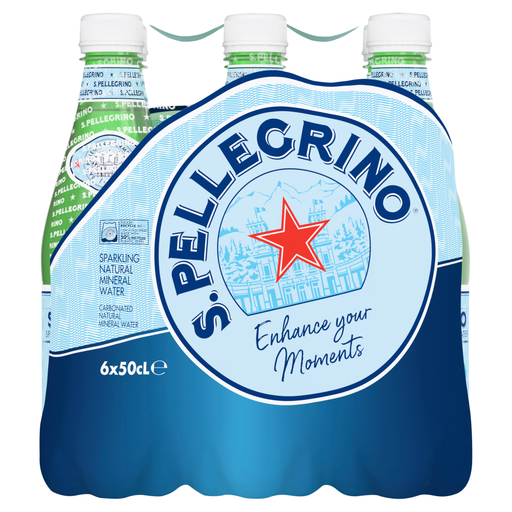 No image available
A sparkling-water format for a pupil who wants fizz at lunch, if the school permits it. The pack contains six 0.5L bottles. Check the current label for ingredients and sugars, and do not assume that fizz is non-acidic.
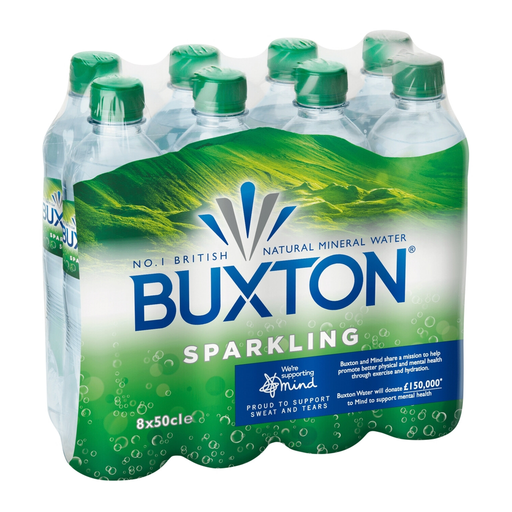 No image available
An eight-bottle sparkling-water pack to consider when a ready-to-drink fizzy option is allowed at school. Each bottle is 500ml. Read the current label for ingredients and sugars; assess acidity separately from sugar.
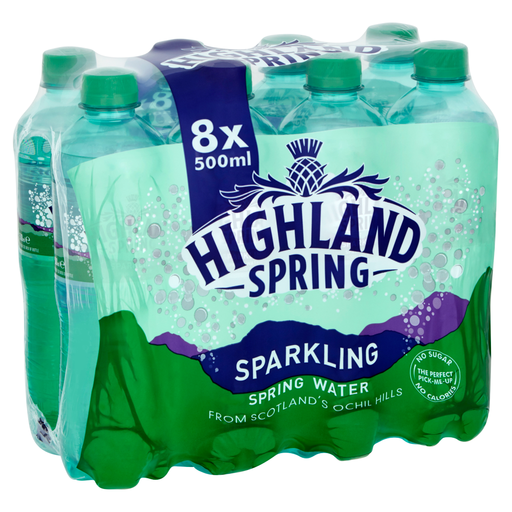 No image available
A sparkling-water option in eight 500ml bottles for a lunchbox where fizzy drinks are permitted. Check the current label for sugars and ingredients, and consider acidity independently of the drink’s sparkling-water name.
No. For an ordinary school day, the NHS identifies water and milk as suitable drinks for children. Tesco’s Lucozade Sport Orange listing describes use by adults who train or take part in sport, which does not establish it as a routine school-lunch drink for a pupil.
Check the individual school’s current packed-lunch policy. Department for Education school-food guidance covers food and drink provided in state-funded schools in England, while Brighton & Hove City Council’s packed-lunch guidance describes a role for school-specific policies; neither gives permission for every home-packed lunch.
No. Check the label to confirm whether a drink has added sugar, but treat acidity as a separate consideration. NHS St George’s dental guidance identifies acidic fizzy drinks as a cause of tooth erosion.
Tesco lists 3.5g sugars per 100ml for Lucozade Sport Orange. At that stated rate, a 500ml bottle contains 17.5g sugars; check the label on the bottle you are considering.
No. Gatorade Great Britain describes Hydration Booster as a carbohydrate-and-electrolyte powder mixed with water. If you need a ready-to-drink fizzy lunchbox option, check the product format rather than treating the powder as equivalent to sparkling water.