Parents packing for lessons and PE
For a normal school day, start with water. The NHS identifies water and milk as the preferred drinks for children; an ordinary PE lesson does not, by itself, call for a carbohydrate-containing sports drink.


For ordinary school days and PE, choose water rather than treating a sports drink as necessary; the NHS identifies water and milk as the preferred drinks for children. A zero-sugar sports drink offers a flavoured option without carbohydrate fuel. For hard exercise lasting longer than an hour, a carbohydrate-containing drink may be worth considering: the British Dietetic Association says carbohydrate intake during exercise can enhance performance in that situation, but the drink’s sugar content still matters.
For a normal school day, start with water. The NHS identifies water and milk as the preferred drinks for children; an ordinary PE lesson does not, by itself, call for a carbohydrate-containing sports drink.
Separate a drink for thirst from one intended to provide carbohydrate during exercise. The British Dietetic Association says carbohydrate intake during hard exercise lasting longer than an hour can enhance performance; that condition matters more than a sports-drink label.
If a flavoured sports-drink format appeals, check the exact product’s sugars, carbohydrate and sweeteners. Zero sugar does not mean the drink provides carbohydrate for a prolonged hard session.
Choose when: The drink is for lessons, breaks or ordinary PE; the NHS identifies water and milk as the preferred drinks for children.
Trade-off: Water supplies no carbohydrate, which may matter during a prolonged, hard training session.
Choose when: A flavoured sports-drink format is wanted for light activity without choosing a sugary drink.
Trade-off: It does not provide the carbohydrate sought for exercise fuelling; check its ingredients for sweeteners.
Choose when: Hard exercise lasts longer than an hour and carbohydrate intake during the session is relevant, as described by the British Dietetic Association.
Trade-off: These drinks can add sugar, so they are not an automatic choice for everyday school hydration.
| Priority | What to check | Your needs |
|---|---|---|
| Everyday drink | Identify whether the drink is for lessons, breaks or ordinary PE. Check that a sports drink is not being mistaken for an energy drink; the British Dietetic Association distinguishes the two categories. | I’m packing a drink for a normal school day, not trying to fuel prolonged exercise. Water fits that use; the NHS also identifies milk as a preferred drink for children. |
| Exercise duration | Consider how hard the activity is and whether it lasts longer than an hour. For that situation, the British Dietetic Association says carbohydrate intake during exercise can enhance performance. | For a long, hard fixture or training session, I want to decide whether carbohydrate during exercise is useful rather than choosing a sports drink for every PE lesson. |
| Sugars and carbohydrate | Compare the nutrition panel per 100ml and for the amount you would drink. Sainsbury’s lists 4.1g sugars per 100ml for Powerade Golden Mango; Tesco lists 20.1g sugars per 500ml bottle for Tesco Active Raspberry. These are different products and serving measures. | If I’m choosing between standard and zero-sugar varieties, I want to know how much sugar is in the actual bottle, not rely on the word “isotonic”. |
| Ingredients | Read the current label for sweeteners, caffeine and any phenylalanine statement. Check sodium or electrolyte information if that is why you are considering the drink. | I want to check the ingredients for the child who will drink it, especially if we avoid particular sweeteners or need to follow a label warning. |
A standard sports drink may contain a substantial amount of sugar: Tesco lists 20.1g sugars in a 500ml bottle of Tesco Active Raspberry. The NHS identifies water and milk as the preferred drinks for children.
Choose the drink for the activity. Pack water for ordinary school use, and consider carbohydrate-containing drinks in the context of prolonged, hard exercise.
Zero-sugar and carbohydrate-containing drinks serve different purposes. The British Dietetic Association’s advice about carbohydrate intake concerns hard exercise lasting longer than an hour.
If that describes the session, assess carbohydrate needs separately rather than assuming a zero-sugar drink supplies them.
A zero-sugar claim does not tell you which sweeteners a product contains. Other label details, including caffeine or a phenylalanine statement, may also affect your choice.
Check the ingredients and nutrition information on the current bottle before choosing it for a child.
These examples show why the exact variety and nutrition panel matter more than the brand name alone.
The range includes standard sports drinks and a Zero Sugar Orange & Peach variety described by ASDA as intended for low-intensity exercise.
Powerade is a still isotonic sports drink. Its Golden Mango variety provides a concrete example of a carbohydrate-containing option.
Gatorade UK describes Hydration Booster as a low-sugar product containing carbohydrate and electrolytes.
Tesco Active Raspberry is an own-label isotonic drink that can be compared with branded standard varieties by bottle size and nutrition label.
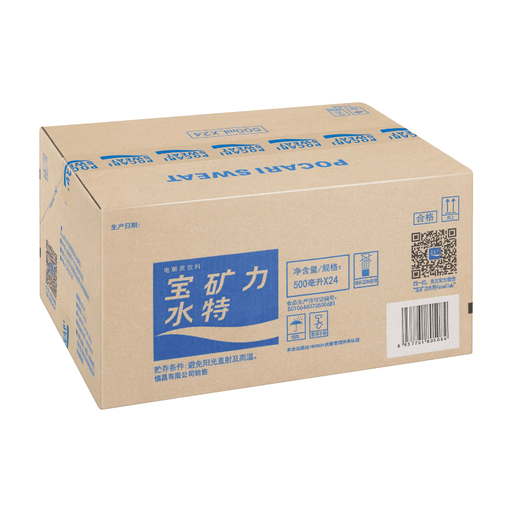
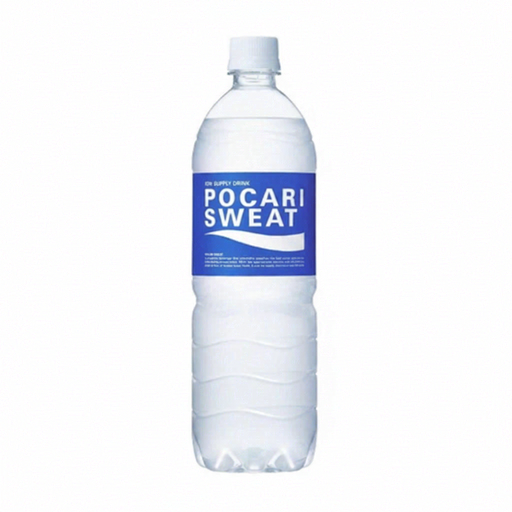
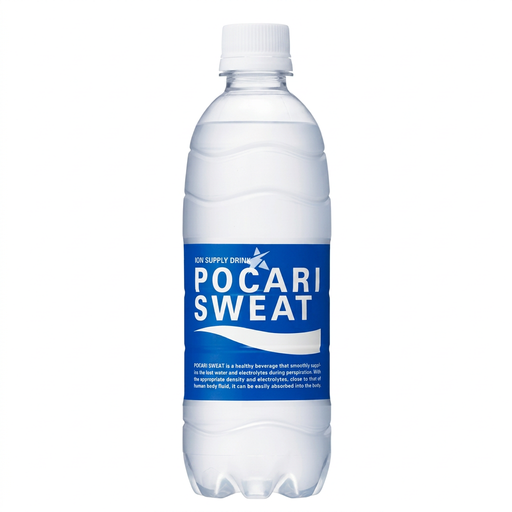
These Pocari Sweat options are for comparing sports-drink bottle and pack formats. They do not change the case for water during an ordinary school day; check the current label when sugars and carbohydrate affect your choice.
 No image available
The pack of individual bottles may suit planned sports sessions. This is not a zero-sugar choice; check the current label for sugars and caffeine before choosing it for a child.
 No image available
This larger bottle is an option to compare for a planned sports session, rather than a routine school-day drink. Its listed ingredients include sugar; read the current nutrition panel for the amount you intend to drink.
 No image available
The 500ml bottle provides another format to compare for sport. Its listed ingredients include sugar, so check sugars and carbohydrate on the current label before comparing it with a zero-sugar drink.
For ordinary school hours and normal activity, choose water. The NHS identifies water and milk as the preferred drinks for children; a sports drink is not a routine hydration requirement.
No. A zero-sugar drink can be a flavoured option, but ordinary PE does not require it. Water remains a straightforward choice, and zero sugar does not mean the drink supplies carbohydrate for prolonged hard exercise.
Consider it for hard exercise lasting longer than an hour. The British Dietetic Association says carbohydrate intake during exercise can enhance performance under that condition; check the drink’s sugars and the amount that would be consumed.
Read sugars and carbohydrate per 100ml and per bottle, then check the ingredients for sweeteners, caffeine and any phenylalanine statement. If electrolytes are the reason for choosing it, check what the particular product lists rather than assuming all sports drinks have the same composition.