For moving-day errands, lectures and short workouts, start with water; the NHS recommends it for everyday hydration, while the British Dietetic Association says a general fitness programme does not usually require carbohydrate drinks. A zero-sugar sports drink is an optional flavoured choice for light activity, but a carbohydrate-containing drink is worth considering for hard exercise lasting longer than an hour. Check the exact drink’s sugars, ingredients and storage directions before stocking your room.
Who is choosing?
Students fitting in short workouts
For unpacking, walking to lectures and a short gym session, water is a practical starting point. The NHS recommends water for hydration, and the British Dietetic Association says a general fitness programme can normally be fuelled through an ordinary diet. A flavoured sports drink is a preference, not a requirement for these activities.
Students comparing drinks by sugar content
Compare the nutrition panel for the exact flavour and serving size. Asda lists 0g sugars per 100ml for Lucozade Sport Zero Orange & Peach; Tesco lists 0g sugars per 100ml for Powerade Zero Berry Tropical. Neither figure describes every drink from those brands.
Students doing longer, harder training
A carbohydrate-containing drink may be relevant during hard exercise lasting longer than an hour. That is the circumstance in which the British Dietetic Association says carbohydrate intake during exercise can enhance performance; the choice still depends on the session rather than the sports-drink label alone.
What should you check?
Decide whether you need an everyday drink or carbohydrate during exercise, then compare labels and pack formats for the way you will use them.
| Priority |
What to check |
Your needs |
| Everyday hydration |
Consider whether water meets the occasion before choosing a sports drink. The NHS recommends water for hydration; the British Dietetic Association says a general fitness programme does not normally call for exercise carbohydrate drinks. |
I want something to drink while unpacking, studying or doing a short workout, without treating a sports drink as essential. |
| Exercise carbohydrate |
Compare carbohydrate and sugars per 100ml for the exact product. For hard exercise lasting longer than an hour, the British Dietetic Association says carbohydrate during exercise can enhance performance; a zero-sugar drink does not serve that carbohydrate role. |
For a long, hard session, I want to know whether my drink supplies carbohydrate rather than choosing by flavour or the word “isotonic”. |
| Sugars and ingredients |
Read sugars and energy on the same per-100ml basis, then check ingredients if particular sweeteners matter to you. Asda lists 0g sugars and 2 kcal per 100ml for Lucozade Sport Zero Orange & Peach; Coca-Cola Great Britain lists 4.1g sugars per 100ml for standard Powerade Berry & Tropical Fruits. |
I would rather not choose a carbohydrate drink for routine use. I also want to check what a zero-sugar drink contains, not assume it has the same ingredients as water. |
| Preparation and storage |
Check whether the drink is ready to consume or needs mixing. Gatorade UK instructs users to mix a Hydration Booster sachet with 500ml water; for opened Lucozade Sport Zero Orange & Peach, Sainsbury’s says to refrigerate and consume within four days. |
Space in my cupboard and fridge matters. A sachet needs water when I use it, while an opened bottle needs to fit the storage directions on its own label. |
Buying pitfalls
-
Treating zero-sugar and carbohydrate drinks as interchangeable
A zero-sugar drink may suit a sugar preference, but it cannot provide the carbohydrate that the British Dietetic Association says may help during hard exercise lasting longer than an hour.
Choose by the session: check carbohydrate per 100ml if you want exercise fuel, or sugars and ingredients if you want a flavoured drink for light activity.
-
Replacing everyday water with a standard isotonic drink
Standard drinks can contain sugars: Coca-Cola Great Britain lists 4.1g sugars per 100ml for Powerade Berry & Tropical Fruits. The NHS recommends water for everyday hydration.
Keep water available in your room and bag, and choose a carbohydrate drink when its contents match your training rather than simply because it is labelled for sport.
-
Buying a multipack without reading its label
Ingredients and storage instructions differ between products. For example, Sainsbury’s says opened Lucozade Sport Zero Orange & Peach must be refrigerated and consumed within four days.
Check the delivered pack’s ingredients, best-before date and directions after opening before deciding how many bottles to keep in shared accommodation.
-
Confusing sports drinks with energy drinks
Drinks placed near one another can have different ingredients. The NHS advises checking labels for high caffeine content and consuming caffeine in moderation.
Read the product name, nutrition panel and caffeine information rather than assuming every drink sold for activity has the same purpose.
Brand and product-line references
These examples illustrate label differences between particular UK products; they do not describe every drink in each range.
Lucozade Sport
The range includes carbohydrate-containing sports drinks and a separate Zero Orange & Peach drink described on Asda’s listing as designed for low-intensity exercise.
- Asda lists 0g sugars and 2 kcal per 100ml for Zero Orange & Peach.
- Do not assume the Zero drink supplies the carbohydrate of a standard sports drink; follow the exact pack’s ingredients and storage directions.
Powerade
Standard Powerade Berry & Tropical Fruits and Powerade Zero Berry Tropical have different nutrition profiles.
- Coca-Cola Great Britain lists 4.1g carbohydrate and 4.1g sugars per 100ml for the standard Berry & Tropical Fruits drink.
- Tesco lists 0g sugars per 100ml for Zero Berry Tropical; it is not a substitute when the reason for choosing a drink is carbohydrate during exercise.
Gatorade
Gatorade UK lists Hydration Booster as sachets to mix into a drink rather than ready-to-drink bottles.
- Gatorade UK instructs users to mix each sachet with 500ml water, a format to consider when cupboard space matters.
- Its ingredient list includes sugar, and preparation requires access to water; it should not be treated as a zero-sugar bottled drink.
Joybuy drink options
These Joybuy options include carbohydrate-drink formats for exercise and drinks to assess for a lower-sugar preference. For moving-day errands and ordinary hydration, water remains a separate choice.
 No image available
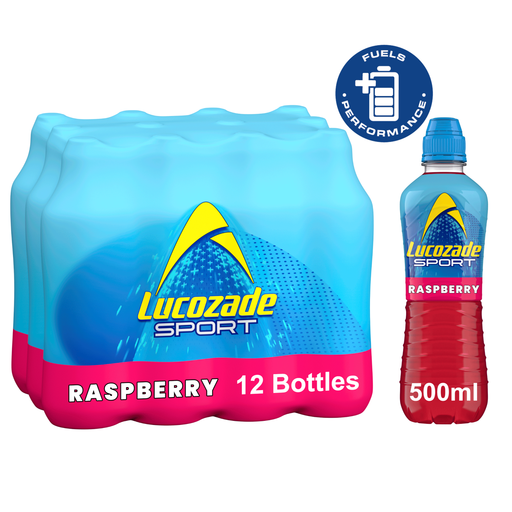
Lucozade Sport Raspberry Isotonic Drink, 12 × 500ml
A bottled isotonic option to assess for longer, harder exercise rather than routine hydration. Check its sugars and ingredients on the pack: the product information flags aspartame as a source of phenylalanine and states that this drink is unsuitable for people with phenylketonuria. Its opened-bottle directions call for refrigeration and consumption within 24 hours.
View on Joybuy
 No image available
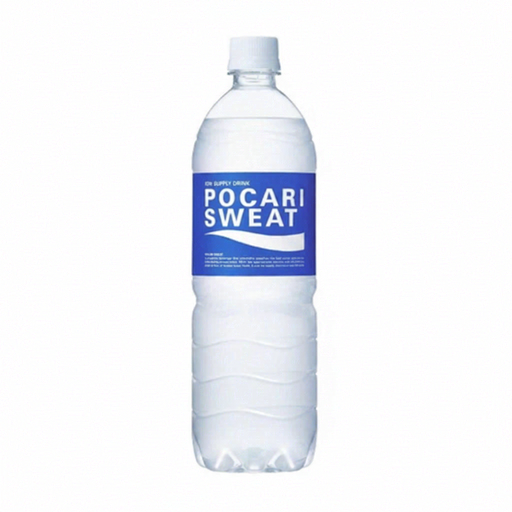
Pocari Sweat Drink 900ml
The 900ml format is worth comparing if you plan to carry a larger drink for an exercise session. Check carbohydrate and sugars per 100ml, along with directions for storage after opening, on the bottle before choosing it for that purpose.
View on Joybuy
 No image available
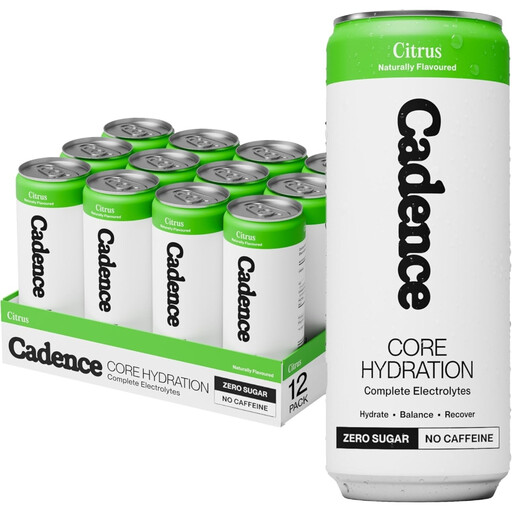
Cadence Core Citrus Hydration Drink, 12 × 330ml
The 330ml servings offer a smaller ready-to-drink format to compare for light activity. Check the current panel for sugars, carbohydrate and salt per serving; a drink without carbohydrate would not serve the same fuelling purpose as a carbohydrate sports drink during a long, hard session.
View on Joybuy
 No image available
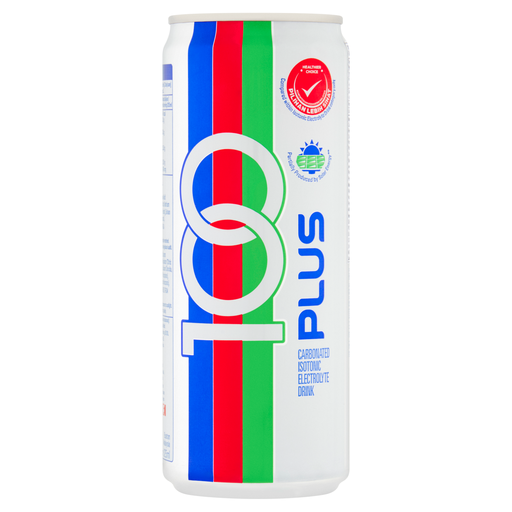
F&N 100 Plus Malaysian Carbonated Isotonic Drink 325ml
A 325ml carbonated isotonic format to compare for exercise rather than as a default room drink. Read carbohydrate and sugars per 100ml on the can, and decide whether a fizzy drink suits how you plan to use it.
View on Joybuy
 No image available
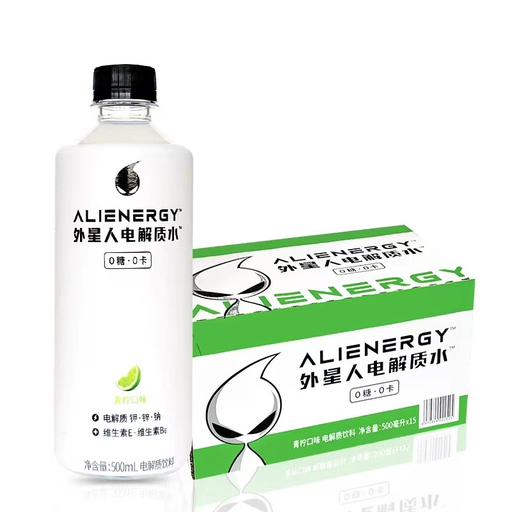
Chi Forest Alienergy Lime Electrolyte Water, 15 × 500ml
This lime-flavoured electrolyte-water pack is an option to assess if you prefer bottled drinks. Its product description calls it zero sugar; check the current nutrition and ingredient panels before relying on that claim or stocking a 15-pack.
View on Joybuy
Questions about choosing and storing drinks
Do I need a sports drink for moving day or a short gym session?
Usually not. The NHS recommends water for hydration, and the British Dietetic Association says a general fitness programme can normally be fuelled through an ordinary diet. A zero-sugar flavoured drink can still be a preference rather than a workout necessity.
When is a carbohydrate drink worth considering?
Consider one during hard exercise lasting longer than an hour: the British Dietetic Association says carbohydrate intake during that kind of exercise can enhance performance. Check the drink’s carbohydrate per 100ml; a zero-sugar option does not serve the same carbohydrate purpose.
Does “zero sugar” mean the drink is like water?
No. Asda lists 0g sugars per 100ml for Lucozade Sport Zero Orange & Peach, and Tesco lists the same sugar figure for Powerade Zero Berry Tropical, but the drinks have their own ingredient lists. Check the exact flavour’s nutrition panel and ingredients if particular sweeteners matter to you.
How should I store a sports-drink multipack in shared accommodation?
Follow the directions for the specific product and check its best-before date. Sainsbury’s says Lucozade Sport Zero Orange & Peach should be refrigerated after opening and consumed within four days; do not apply that opened-bottle period to other drinks without checking their labels.


