First-time grocery shoppers
If you are stocking up for home, work or light activity, you may not need carbohydrate in every drink. The NHS identifies water as a choice for everyday hydration.


For a first food shop, choose water for everyday drinking rather than assuming you need a sports drink; the NHS identifies water as a hydration choice. A carbohydrate-and-electrolyte drink may fit planned prolonged exercise when you want carbohydrate from your drink, while a zero-sugar option fits a different aim: a flavoured sports-drink format without that carbohydrate role. Check sugars per 100ml, bottle size and ingredients on the pack before deciding.
If you are stocking up for home, work or light activity, you may not need carbohydrate in every drink. The NHS identifies water as a choice for everyday hydration.
If you are planning prolonged exercise and want carbohydrate in a ready-to-drink format, compare carbohydrate-and-electrolyte drinks rather than choosing by the word ‘sport’ alone. Tesco describes standard Lucozade Sport as providing both carbohydrate and electrolytes.
If you want a flavoured sports-drink format without relying on it for carbohydrate, a zero-sugar variety may suit that purpose. Tesco describes Lucozade Sport Zero Sugar as designed for low-intensity exercise; check the exact flavour’s ingredients and nutrition panel.
Decide what the drink is for before comparing bottles: everyday drinking and planned prolonged exercise call for different label checks.
| Priority | What to check | Your needs |
|---|---|---|
| Everyday drinks | Compare sugars per 100ml and the amount you expect to drink. Check whether a zero-sugar or lower-sugar label applies to the exact flavour. | For drinks I will have routinely, I want to know how much sugar is in the portion I am likely to pour or finish. |
| Exercise use | Check carbohydrate alongside the stated electrolyte information. Distinguish a carbohydrate-containing drink from a zero-sugar one; neither label alone establishes what you need for a particular session. | If I am buying for prolonged exercise, I may want carbohydrate from the drink. For a short or low-intensity session, that may not be my reason for choosing one. |
| Ingredients | Read the current ingredients, sweeteners and allergy information for the specific flavour. Check the pack rather than relying solely on an online listing. | I need to know whether this particular drink contains an ingredient or sweetener I avoid. |
| Format | Compare bottle volume with the prepared serving of a mix. Check whether a sachet needs water and whether a multipack suits your planned use. | A bottle is convenient when I want a drink ready to open; a mix only suits me if I am happy to prepare it. |
A standard isotonic drink can contain sugar that contributes carbohydrate, even when you are not choosing it for exercise.
Start with water for everyday drinking. If you are shopping for planned prolonged exercise, check whether you want carbohydrate from the drink; if not, compare zero-sugar options on their own labels.
Terms such as ‘isotonic’ do not tell you how much sugar you will consume from the amount you drink, or identify every ingredient.
Compare sugars per 100ml, then consider bottle size and your likely portion. Read the current ingredients and allergy information, particularly if you avoid a sweetener.
Bottles and drink-mix sachets differ in storage and preparation. A large pack may not suit an occasional exercise drink or a flavour you have not tried.
Check the number and size of servings, and whether you will have water available to prepare a mix. Consider a smaller format where available if you are still deciding what you will use.
These examples show why the exact product label matters; a brand or retailer name does not establish the ingredients of every flavour.
Tesco lists both standard Lucozade Sport drinks and a Zero Sugar Orange & Peach variety.
ASDA lists Powerade Berry and Tropical as a ready-to-drink sports drink.
Gatorade UK describes Hydration Booster as a drink mix prepared with water.
Tesco’s sports-drinks category provides examples of standard drinks and different bottle or multipack formats.
Asda provides product-level nutrition and ingredient information for its listed Powerade Berry and Tropical bottle.
These are ready-to-drink bottled sports or electrolyte drinks, including multipacks. Compare their pack sizes, sugar labels and ingredients with the activity you are shopping for.
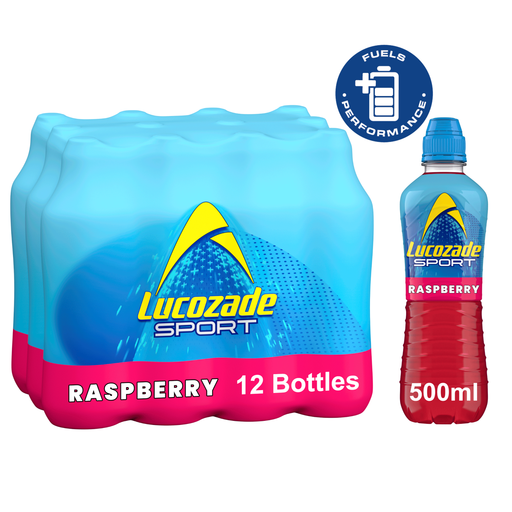 No image available
This ready-to-drink multipack may suit planned use better than an occasional single bottle. It is not a zero-sugar choice; check the current pack’s aspartame and phenylalanine warning if relevant to you.
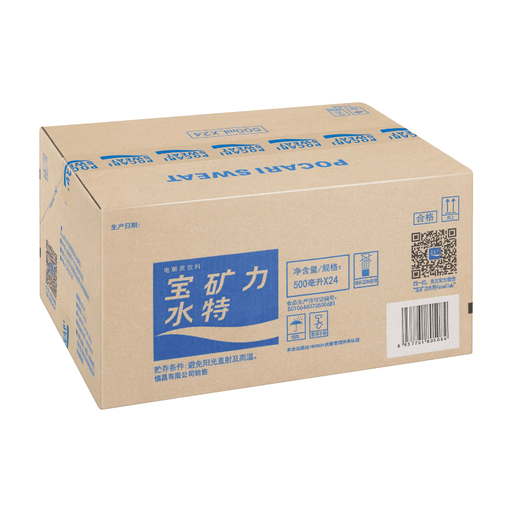 No image available
This ready-to-drink pack contains 24 bottles, so consider how often you expect to use them in a first shop. It is not a zero-sugar option; compare its current sugars-per-100ml label with other drinks.
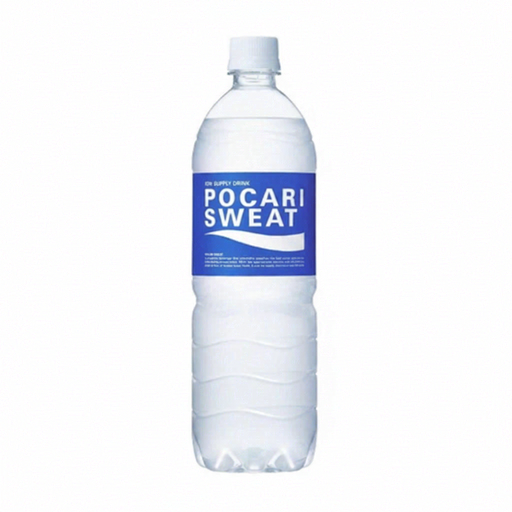 No image available
The 900ml bottle is a ready-to-drink format for someone who wants a larger container. Check sugars per 100ml on the current pack before choosing it for a lower-sugar shop.
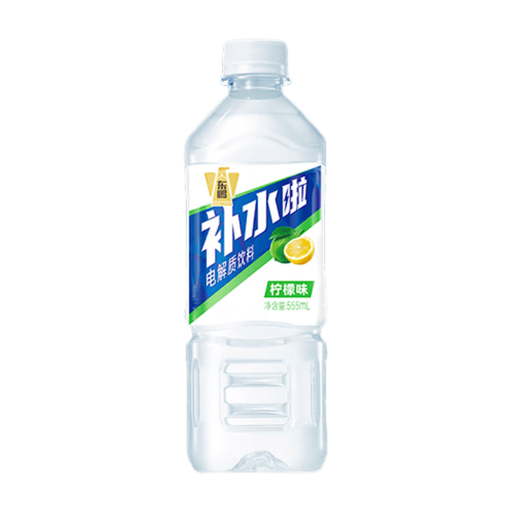 No image available
This is a ready-to-drink electrolyte option, not a zero-sugar drink. Check the current pack for sugars and ingredients; its name alone does not establish a role in prolonged endurance exercise.
Not for everyday hydration alone: the NHS identifies water as a choice for keeping hydrated. Consider a sports drink when you have a specific reason to want its format or carbohydrate-and-electrolyte content, and check the label against that use.
No. A zero-sugar drink does not serve the same carbohydrate role as a carbohydrate-containing one. Tesco describes Lucozade Sport Zero Sugar as designed for low-intensity exercise, while it describes standard Lucozade Sport as providing carbohydrate and electrolytes; choose according to what you want from the drink.
Start with carbohydrate and sugars per 100ml, then consider bottle size and how much you expect to drink. Check sweeteners, ingredients and allergy information on the current pack. For instance, ASDA’s Powerade Berry and Tropical listing gives 4.1g sugars per 100ml; that figure applies to that listed flavour, not every Powerade drink.