Travellers who prefer less sugar
For a mostly seated journey, water is a straightforward choice. If you prefer a flavoured sports drink, compare zero-sugar variants with the carbohydrate-containing bottles rather than relying on the word “sport”.


For an ordinary train journey, start with water: the NHS recommends it for everyday hydration and advises swapping sugary drinks for diet, sugar-free or no-added-sugar alternatives. A zero-sugar sports drink is an option if you prefer a flavoured drink; a carbohydrate-containing isotonic drink has a different purpose when you have an exercise-related need for carbohydrate. Neither replaces food for the journey.
The useful distinction is whether you want a drink for seated travel or have a separate exercise-related reason to consume carbohydrate.
For a mostly seated journey, water is a straightforward choice. If you prefer a flavoured sports drink, compare zero-sugar variants with the carbohydrate-containing bottles rather than relying on the word “sport”.
Carbohydrate needs relate to the exercise, not the train ride. The British Dietetic Association says carbohydrate during exercise can enhance performance when someone is exercising hard for longer than an hour; check the sugars in the full bottle if that is why you are considering an isotonic drink.
Compare nutrition per serving or bottle, as similarly labelled sports drinks can contain different amounts of sugar. If you use sugary drinks to treat a hypo, follow your individual plan and advice from your diabetes team rather than choosing by general travel guidance.
Decide whether you need an everyday drink or exercise-related carbohydrate, then compare the amount you will actually drink and any preparation needed.
| Priority | What to check | Your needs |
|---|---|---|
| Sugar in the bottle | Read sugars per 100ml and the bottle volume. ASDA lists 0g sugars per 100ml for Lucozade Sport Zero Orange & Peach, versus 8.8g per 100ml for Lucozade Sport Orange. | For a seated journey, I may want a flavoured drink without the sugar in a carbohydrate sports drink. |
| Exercise-related carbohydrate | Check whether the drink contains carbohydrate and how much is in the serving. The British Dietetic Association links carbohydrate intake during exercise to hard activity lasting longer than an hour, not to sitting on a train. | If I am travelling around a demanding workout, I need to consider the exercise separately from the journey before choosing a carbohydrate drink. |
| Preparation | Choose between a ready-to-drink bottle and a powder that needs water. Sainsbury's directions for Gatorade Hydration Booster specify one 13.5g sachet mixed with 500ml water. | A bottle is simpler to open on board; a sachet works for me only if I can bring water and mix it. |
| Whole-serving nutrition | Compare energy, sugars and salt using the same serving size. Sainsbury's lists 10g sugars and 0.91g salt per prepared 500ml serving of Gatorade Hydration Booster. Check the current pack when choosing. | I want to know what the drink adds across the portion I will finish, not just what its front label suggests. |
A carbohydrate-containing bottle can add substantial sugar without an exercise-related reason to choose it. ASDA lists 8.8g sugars per 100ml for Lucozade Sport Orange, equivalent to 44g across its 500ml bottle.
Start with water for ordinary travel. If you want a sports-drink flavour, compare the exact variant's sugars per bottle.
A zero-sugar sports drink and a carbohydrate-containing isotonic drink serve different purposes; a zero-sugar choice does not supply the carbohydrate represented by a sugary variant.
If carbohydrate intake is part of your exercise plan, consider that need separately rather than selecting a drink solely because it contains electrolytes.
Sainsbury's directions for Gatorade Hydration Booster require one sachet to be mixed with 500ml water. The prepared serving contains 10g sugars and 0.91g salt, so it is not a zero-sugar alternative.
Choose a ready-to-drink bottle if you do not want to mix anything on the train; otherwise, plan for the stated water volume.
The pack you buy is the one whose ingredients and nutrition matter, particularly when comparing sweeteners, sugars or salt.
Check its current label for ingredients, allergens, nutrition and best-before information before consuming it.
These examples show why the exact variant and serving size matter more than the brand name alone.
The Zero Orange & Peach and Orange bottles illustrate the difference between a zero-sugar variant and a carbohydrate-containing isotonic drink.
Powerade Berry & Tropical and Powerade Zero Berry Tropical have different sugar contents despite sharing a sports-drink brand.
Gatorade Hydration Booster is a powder-sachet format rather than a pre-filled bottle.
These are portable drink mixes for a journey where you can carry water and prepare a serving. Check the current pack's nutrition and directions if sugar intake or preparation is part of your decision.
 No image available
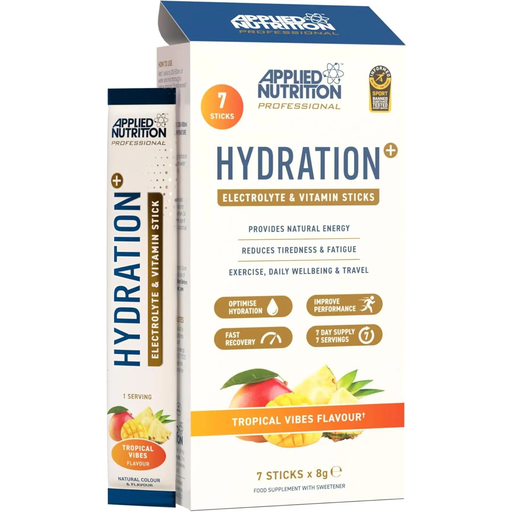
Individual sticks are a packable option if you can prepare a drink on the journey. Mix one stick with 200–500ml water; it is not ready to drink. The product guidance says it is not suitable for people under 18 or pregnant women and advises against combining it with other high-dose electrolyte or vitamin supplements.
 No image available
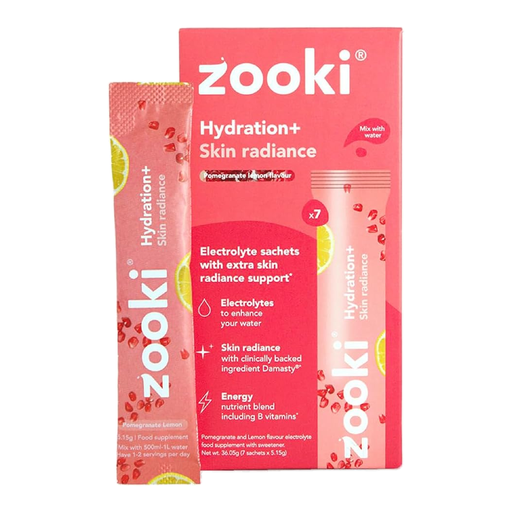
These sachets suit a journey only if you can prepare a serving: mix one with 500–1000ml water. The product guidance says it is not for people under 18 and advises consulting a doctor before use if pregnant, nursing, taking medication or living with a medical condition. Do not treat the product name as evidence of a skin effect.
No sports drink is needed simply because you are travelling by train. The NHS recommends water for everyday hydration and suggests diet, sugar-free or no-added-sugar alternatives to sugary drinks.
Choose a zero-sugar variant if you want a flavoured drink without the sugar in a carbohydrate sports drink. A carbohydrate-containing isotonic drink is a separate exercise-related choice: the British Dietetic Association says carbohydrate intake during hard exercise lasting longer than an hour can enhance performance. Check the sugars in the whole bottle.
No. These drinks provide fluid and, depending on the variant, electrolytes or carbohydrate; they are not a substitute for choosing food for the journey. The British Dietetic Association frames exercise carbohydrate intake around activity demands rather than treating a sports drink as a meal.
Compare sugars per 100ml, then account for the bottle size. ASDA lists Lucozade Sport Orange at 8.8g sugars per 100ml, or 44g in its 500ml bottle, while its Zero Orange & Peach variant lists 0g per 100ml. Check the current pack for the variant you are buying.
Keep that decision separate from ordinary train-journey drink choices. Diabetes UK says sugary food or drink may be used to treat hypoglycaemia and advises discussing what works for you with your diabetes team; general advice to choose less sugar must not replace your individual plan.