Holidaymakers doing light exercise
If you are walking, cycling casually or using a hotel gym, you may want a flavoured drink with sodium while avoiding added sugar. Check the exact ingredients rather than relying on a zero-sugar name alone.


For sightseeing and ordinary holiday drinking, choose water: the NHS identifies it as a straightforward hydration choice. A zero-sugar sports drink may suit light exercise if you want a flavoured drink with added sodium, but check its ingredients if avoiding added sugar; it may also contain sweeteners. If you deliberately want carbohydrate during exercise, a conventional sports drink is a different choice and may not meet a strict no-added-sugar requirement.
If you are walking, cycling casually or using a hotel gym, you may want a flavoured drink with sodium while avoiding added sugar. Check the exact ingredients rather than relying on a zero-sugar name alone.
For a longer or more demanding session, decide whether you want carbohydrate in your exercise drink. Choosing one that contains sugar changes the no-added-sugar decision.
For journeys, sightseeing and warm days without a particular exercise need, water is a straightforward choice. The NHS identifies water as a hydration option.
Start with what the drink is for, then compare the sugar claim, ingredients and nutrition information on the exact product you plan to buy.
Choose it when: you want a drink for sightseeing, travel or an ordinary warm day rather than exercise fuel.
Trade-off: water does not offer the flavour or added sodium of the sports drink described below.
Consider it when: you want a flavoured drink with added sodium for light exercise. Tesco describes Lucozade Sport Zero Sugar Orange & Peach for that use.
Trade-off: that product contains sweeteners and is not presented as a carbohydrate-fuelling drink.
Consider it when: you deliberately want carbohydrate in a drink during exercise, as in the exercise use described by Powerade GB.
Trade-off: check the ingredients if avoiding added sugar; Gatorade UK lists sugar in its Hydration Booster powder.
| Priority | What to check | Your needs |
|---|---|---|
| Added sugar | Read the exact front-of-pack claim and ingredient list. Do not treat ‘low sugar’, ‘zero sugar’ and ‘no added sugar’ as interchangeable. | I want to avoid added sugar, so I need to check the particular drink rather than choose by its product range. |
| Purpose | Check whether the drink is intended for routine hydration or exercise. Tesco positions Lucozade Sport Zero Sugar Orange & Peach for low-intensity exercise. | For a day of sightseeing, I want a drink for ordinary hydration, not one chosen for exercise ingredients. |
| Carbohydrate | Compare carbohydrate and sugars on the nutrition panel. Powerade GB describes its sports drink as supplying carbohydrate during exercise. | If I am planning a demanding session, I need to decide whether carbohydrate matters more to me than a strict no-added-sugar choice. |
| Sweeteners | Read the full ingredient list if particular sweeteners matter to you. Tesco lists acesulfame K and sucralose in its Lucozade Sport Zero Sugar product. | A zero-sugar label would not answer my question if I also wanted to avoid certain sweeteners. |
| Individual advice | Follow your prescribed fluid or dietary plan where one applies. University Hospitals Plymouth NHS Trust notes that general hydration advice may not apply in some cases, including heart or kidney conditions. | If I have a prescribed restriction, I need to check how a drink fits that advice rather than rely on general holiday guidance. |
A product described as low sugar can still list sugar as an ingredient, as Gatorade UK’s Hydration Booster does.
If avoiding added sugar is your requirement, check both the exact claim and the ingredient list before choosing.
A carbohydrate sports drink serves a different purpose from water during an ordinary journey or sightseeing day.
Use the planned activity, rather than the weather alone, to decide whether you want exercise-specific ingredients.
Tesco lists acesulfame K and sucralose in Lucozade Sport Zero Sugar Orange & Peach.
Read the ingredients if you want to avoid either sweetener; the sugar claim does not settle that preference.
A product page can help you compare a drink without establishing that it will be available when you travel.
Check the current pack, label and local stock before relying on a particular drink for your holiday.
Tesco lists Lucozade Sport Zero Sugar Orange & Peach as a flavoured sports drink with added sodium for low-intensity exercise.
Gatorade UK lists Hydration Booster as a powder mix whose ingredients include sugar.
Powerade GB describes its sports drink as supplying fluids and carbohydrates during exercise.
Tesco’s Lucozade Sport Zero Sugar Orange & Peach listing provides product ingredients and nutrition information for comparison.
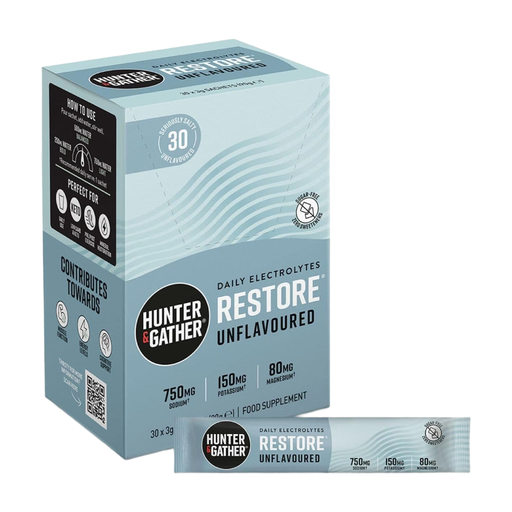
This option is an unflavoured electrolyte powder in sachets for mixing with water, rather than a ready-to-drink sports drink. Check its current ingredients and directions against your no-added-sugar requirement.
 No image available
The sachets offer a mix-with-water option for exercise or travel when you can prepare a drink. The pack contains 30 sachets; check the supplied label for ingredients, mixing directions and sodium information, particularly if you follow a prescribed low-sodium diet.
No. They are different claims, so a zero-sugar name alone does not settle a strict no-added-sugar choice. Read the exact claim and ingredient list, including any ingredients used to sweeten the drink.
Not simply because the weather is warm. The NHS identifies water as a hydration choice; choose a sports drink for a specific exercise-related reason rather than routine sightseeing.
Tesco describes it for adults doing sport or training, including low-intensity exercise, and lists added sodium. It contains sweeteners, so check the current ingredients if your requirements extend beyond avoiding sugar.
Yes. Tesco lists acesulfame K and sucralose in Lucozade Sport Zero Sugar Orange & Peach. Check the exact product’s ingredients if either matters to you.
Follow your individual clinical advice rather than general holiday hydration guidance. University Hospitals Plymouth NHS Trust notes that general recommendations may not apply in some cases, including heart failure and renal failure.