Students heading straight back to lectures
If lunch is not tied to a workout, you may simply want a drink for routine hydration. The NHS identifies water as an everyday choice; a sports drink is not necessary just because you are on campus.


For an ordinary university lecture lunch, water is a practical choice for hydration. If you prefer a flavoured sports-style drink without sugar, check a zero-sugar product’s current label; a carbohydrate sports drink has a clearer role when lunch is connected to hard exercise lasting longer than an hour, a condition under which the British Dietetic Association says carbohydrate intake during exercise can enhance performance.
If lunch is not tied to a workout, you may simply want a drink for routine hydration. The NHS identifies water as an everyday choice; a sports drink is not necessary just because you are on campus.
If you are exercising hard for longer than an hour, the drink’s carbohydrate content becomes relevant. The British Dietetic Association says carbohydrate intake during exercise can enhance performance under that condition.
If you want a sports-drink-style flavour without sugar, compare products labelled zero sugar and read the current nutrition and ingredient panels. A familiar sports-drink name alone does not establish its sugar content.
Choose it: For a lecture lunch when you need an everyday drink rather than exercise fuel.
Bear in mind: Water does not provide carbohydrate if you are planning to take it in during prolonged, hard exercise.
Choose it: When you want a flavoured, sports-style drink at lunch without choosing a sugar-containing option.
Bear in mind: A zero-sugar drink is not a carbohydrate-fuelling substitute; check its ingredients if particular sweeteners matter to you.
Choose it: Consider its carbohydrate content when lunch is connected to hard exercise lasting longer than an hour.
Bear in mind: It adds sugars that are not needed simply for sitting through lectures; check the amount in the bottle you would drink.
| Priority | What to check | Your needs |
|---|---|---|
| Everyday drinking | Consider whether lunch is followed by lectures or demanding exercise. If you want a flavoured drink, check its sugar content rather than relying on the word “sport”. | I’m spending the afternoon in lectures, so I want a drink for lunch without choosing it as exercise fuel. |
| Sugar and ingredients | Read sugars per 100 ml and for the amount you plan to drink. Check the ingredient list if you avoid particular sweeteners. | I’d like a flavoured option without sugar, but I still want to know what is in the bottle. |
| Exercise fuelling | Compare carbohydrate per bottle with your training plans. The British Dietetic Association says carbohydrate intake during exercise can enhance performance when exercising hard for longer than an hour. | My lunch leads into a long, hard session, so carbohydrate content matters to me in a way it would not during a lecture alone. |
A standard sports drink can contain substantial carbohydrate and sugar: Tesco lists 29 g carbohydrate and 20 g sugars in a 500 ml bottle of Gatorade Cool Blue. The British Dietetic Association’s guidance on carbohydrate during exercise concerns hard activity lasting longer than an hour.
Match the drink to what you are actually doing around lunch. For lectures without that training demand, start with water or check a zero-sugar option if you want flavour.
Products under the sports-drink label have different formulations. Tesco describes Lucozade Sport Zero Sugar Orange & Peach as zero sugar, while its Gatorade Cool Blue listing gives 20 g sugars per 500 ml.
Compare the current nutrition panels per 100 ml and per bottle before choosing.
A zero-sugar label does not tell you which sweeteners a drink contains. Tesco’s Lucozade Sport Zero Sugar Orange & Peach listing identifies acesulfame K and sucralose.
If particular ingredients matter to you, read the current bottle label rather than relying on the product name.
Compare specific products within a brand: sugar content and ingredients can differ between its zero-sugar and carbohydrate-containing drinks.
Tesco lists a Zero Sugar Orange & Peach 500 ml drink, offering a named zero-sugar product to compare for a flavoured lecture-lunch drink.
The Cool Blue bottle listed by Tesco is a carbohydrate-containing sports drink, making its nutrition panel relevant when comparing exercise-use options.
Coca-Cola GB describes Berry & Tropical Fruits as a carbohydrate-containing isotonic drink rather than a zero-sugar option.
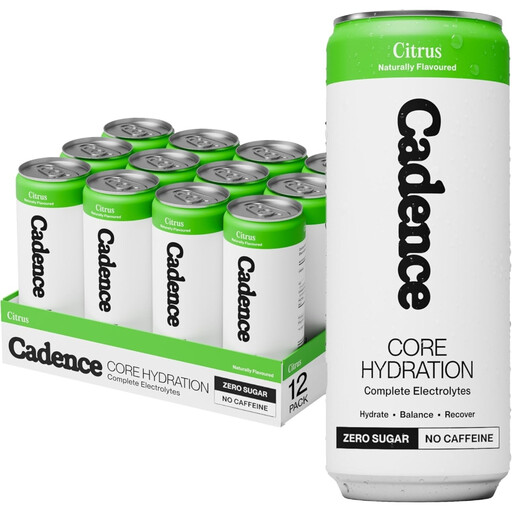
This citrus hydration drink is a packaged option to consider for a lecture lunch. Check its current nutrition label before treating it as a zero-sugar alternative or an exercise-fuelling drink.
 No image available
A citrus hydration drink in 330 ml units to consider if you want a packaged drink with lunch. Check the current label for sugars, carbohydrate, salt and ingredients against your reason for choosing it.
No sports drink is needed simply because you are attending lectures. For routine hydration, water is an everyday choice identified by the NHS; consider a drink’s carbohydrate content separately if lunch is connected to demanding exercise.
Choose one if you want a flavoured sports-style drink at lunch without sugar, rather than carbohydrate for training. Check the current label: Tesco lists Lucozade Sport Zero Sugar Orange & Peach as zero sugar, and its ingredients include sweeteners.
Its carbohydrate content is more relevant when you are exercising hard for longer than an hour. The British Dietetic Association says carbohydrate intake during exercise can enhance performance in that situation; attending lectures alone does not create the same training condition.
Yes. Tesco notes that product ingredients and nutrition information can change, so use the current bottle label to confirm sugars, serving information and ingredients before deciding.