For an ordinary desk-based lunch, choose water; if you want a flavoured sports drink, a zero-sugar variety avoids the sugar and carbohydrate in a standard isotonic drink. A carbohydrate-and-electrolyte drink makes more sense when you are deliberately packing it for prolonged exercise, while powder is an option if you can mix it at work. Check the current pack for sugars, ingredients and storage instructions.
Who is each option for?
Desk-based workers who want a flavoured drink
For a mostly sedentary office day, water is a straightforward lunch drink. The NHS also suggests diet, sugar-free or no-added-sugar alternatives when swapping away from sugary drinks; a standard carbohydrate-containing sports drink need not be the default.
Commuters and lunch-break exercisers
If you want a sports-drink format to carry alongside a walk, cycle or gym session, a zero-sugar variety offers a different carbohydrate profile from a standard isotonic drink. Check the label rather than assuming the drink is needed for the activity.
People packing for prolonged exercise
If the drink is for endurance activity rather than an afternoon at your desk, a standard isotonic product provides carbohydrate as well as electrolytes. For example, Joybuy lists 15.7 g carbohydrate and 8.9 g sugars per 250 ml for Lucozade Sport Raspberry; those amounts matter when deciding whether that formulation fits your plans.
What should you check before choosing?
Start with what the drink is for, then compare the nutrition panel and the preparation or storage instructions for the exact product you plan to pack.
| Priority |
What to check |
Your needs |
| Everyday drink |
Decide whether you need a sports-drink format at all. The NHS identifies water as an everyday hydration choice and suggests diet, sugar-free or no-added-sugar swaps for sugary drinks. |
On a desk-based day, I want a lunch drink without choosing an exercise-fuelling formula by default. |
| Sugars and carbohydrate |
Read both values on the nutrition panel and compare the same quantity. Tesco lists 0 g of each per 100 ml for Powerade Zero Berry Tropical; Coca-Cola GB lists 4.1 g of each per 100 ml for standard Powerade Berry & Tropical Fruits. |
If I want a flavoured sports drink without carbohydrate, I will check that the particular variety says 0 g sugars and 0 g carbohydrate. |
| Exercise use |
Consider whether you are packing the drink for prolonged activity and deliberately want carbohydrate. For Lucozade Sport Raspberry, Joybuy lists 15.7 g carbohydrate and 8.9 g sugars per 250 ml. |
For an exercise session, I may want a carbohydrate-containing drink; for a routine office afternoon, that is a different choice from water or a zero-sugar variety. |
| Preparation and storage |
Check whether the product is ready to drink or needs mixing. Gatorade UK directs users to mix one Hydration Booster sachet with 500 ml water; check opened-bottle storage instructions on ready-to-drink products. |
I can carry a sachet if I will have water and a bottle or cup at work. Otherwise, I would rather pack a drink that needs no mixing. |
| Ingredients and acidity |
Read sweetener declarations and any warnings on the exact pack. Torbay and South Devon NHS Foundation Trust advises that acidic drinks can contribute to dental erosion, including drinks advertised as sugar free. |
Reducing sugar matters to me, but I do not want to mistake a zero-sugar label for an answer to every ingredient or dental question. |
What are the common buying mistakes?
-
Treating every sports drink as a diet drink
Standard isotonic drinks can contain substantial carbohydrate and sugar: Coca-Cola GB lists 4.1 g sugars per 100 ml for Powerade Berry & Tropical Fruits, while Joybuy lists 8.9 g per 250 ml for Lucozade Sport Raspberry.
For an ordinary office lunch, start with water. If you want a sports-drink format without carbohydrate, compare the current panels of zero-sugar varieties.
-
Assuming zero sugar settles the dental question
Torbay and South Devon NHS Foundation Trust advises that acidic drinks, including some advertised as sugar free, can contribute to dental erosion.
Use the zero-sugar claim to assess sugar content, and consider how often you sip an acidic drink during the working day.
-
Packing carbohydrate for a low-activity afternoon
A standard isotonic formulation supplies carbohydrate as well as electrolytes, which is a different choice from a drink for routine desk-based hydration.
Choose that formulation when you have an exercise-related reason to want its carbohydrate, and check the amount on the particular pack.
-
Relying on the listing instead of the bottle
The exact formulation and local stock matter when you come to buy, particularly if you are choosing by sugar content or need to keep an opened bottle for later.
Check availability, then read the current pack’s nutrition panel, ingredients and storage directions.
Which brands are relevant?
Lucozade Sport
The range includes standard isotonic drinks and Sport Zero varieties. The brand positions Sport Zero for low-intensity exercise; that positioning does not make it necessary for an ordinary office lunch.
- Joybuy lists 0 g carbohydrate and 1 kcal per 100 ml for Sport Zero Raspberry & Passionfruit, giving shoppers a specific zero-sugar variety to compare.
- Standard Sport Raspberry has a different profile: Joybuy lists 15.7 g carbohydrate and 8.9 g sugars per 250 ml. Check the flavour and current pack rather than treating the range as interchangeable.
Powerade
The UK range includes standard carbohydrate-containing and Zero drinks.
- Tesco lists 0 g carbohydrate and 0 g sugars per 100 ml for Powerade Zero Berry Tropical.
- Coca-Cola GB lists 4.1 g carbohydrate and 4.1 g sugars per 100 ml for standard Powerade Berry & Tropical Fruits. Confirm the variety and local availability before planning a lunch around it.
Gatorade
Gatorade UK offers Hydration Booster as a carbohydrate-and-electrolyte powder rather than a ready-to-drink bottle.
- The manufacturer directs users to mix one sachet with 500 ml water, a format to consider if you can prepare a drink at work.
- Gatorade describes the product as low sugar; check its nutrition panel if your requirement is specifically zero sugar, and account for the water and container needed to mix it.
Joybuy drinks and mixes to consider
These options include drinks to pack and electrolyte mixes to prepare at work. They serve different packed-lunch and exercise plans, so check each product’s current label rather than treating them all as zero-sugar sports drinks.
 No image available
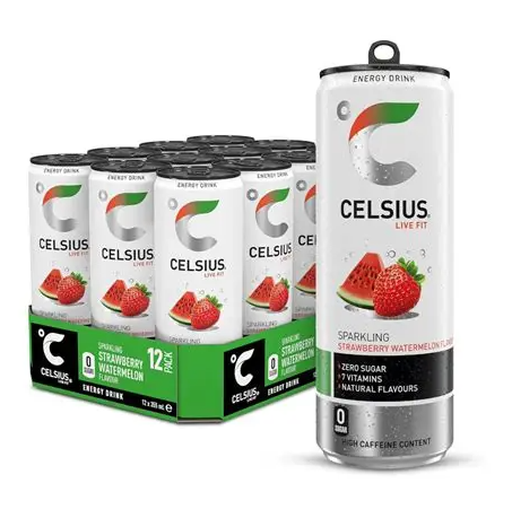
CELSIUS Watermelon Strawberry 12 x 355 ml
For an office lunch, check this product’s nutrition and ingredient label against the drink you want to pack; its name identifies a 12 x 355 ml pack, not a zero-sugar specification.
View on Joybuy
 No image available
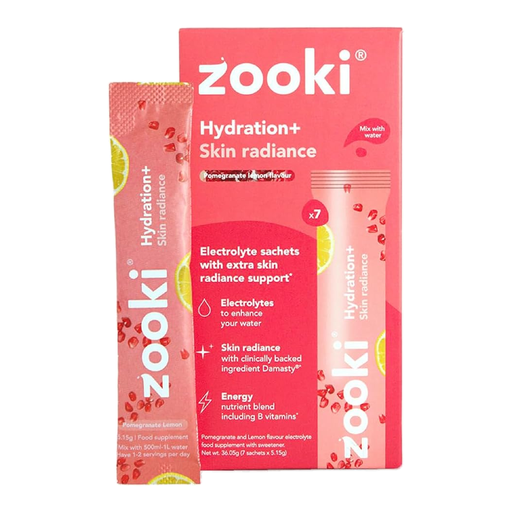
Zooki Electrolytes + Skin Radiance Pomegranate Lemon, 20 x 5.1 g
This sachet format requires water and mixing at work. It is described as a food supplement rather than a ready-to-drink sports beverage; check the pack’s nutrition panel and directions if sugar content or preparation matters to you.
View on Joybuy
 No image available
Lucozade Sport Orange, 4 x 500 ml
Consider this bottled sports drink when packing for exercise rather than assuming it fits a zero-sugar desk lunch. Check the Orange variety’s carbohydrate, sugars and ingredients on the current pack.
View on Joybuy
 No image available
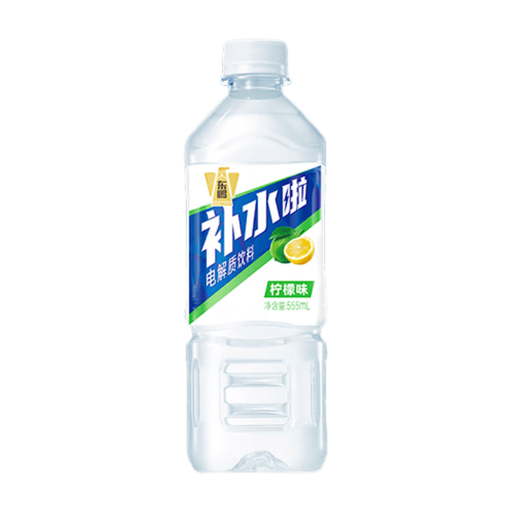
DP Electrolyte Drink, Lemon Flavour with Sweetener, 555 ml
This lemon-flavour drink is a 555 ml option to compare for an active day. Its name mentions sweetener, but that alone does not establish its sugar content; read the nutrition panel and ingredients if choosing for a zero-sugar lunch.
View on Joybuy
 No image available
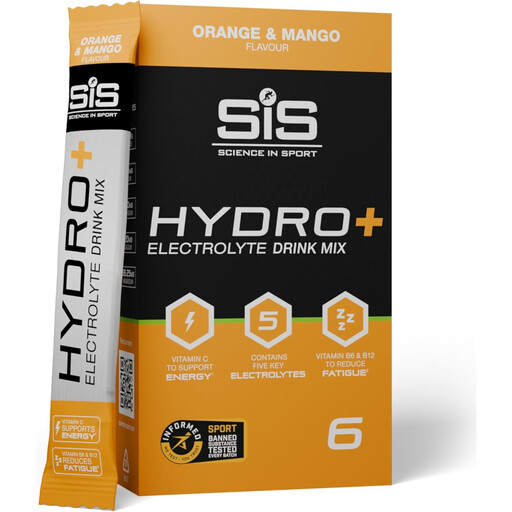
Science in Sport Hydro+ Orange & Mango Flavour, 6 x 4.3 g
These sachets are a portable option if you can mix a drink with water at work. If zero sugar is a requirement, check the carbohydrate and sugars on the pack before choosing this variety, along with its preparation directions and warnings.
View on Joybuy
Questions about packed-lunch drinks
Do I need a zero-sugar sports drink for a desk-based lunch?
No. The NHS identifies water as an everyday hydration choice. A zero-sugar sports drink is a flavoured alternative if you prefer it, not something an ordinary office afternoon requires.
When would I choose a standard sports drink instead?
Consider a standard carbohydrate-and-electrolyte drink when you are deliberately packing carbohydrate for prolonged exercise. Check the exact variety: Coca-Cola GB lists 4.1 g carbohydrate and 4.1 g sugars per 100 ml for Powerade Berry & Tropical Fruits, while Tesco lists 0 g of each per 100 ml for Powerade Zero Berry Tropical.
Does zero sugar remove the dental concern?
No. Torbay and South Devon NHS Foundation Trust advises that acidic drinks, including some advertised as sugar free, can contribute to dental erosion. Consider that separately from the sugar figure, particularly if you tend to sip a drink over a long period.
What should I read on the pack before putting it in my lunch bag?
Check carbohydrate and sugars using the stated serving size, then read the ingredients, any sweetener warnings and storage directions. For a powder, also check how much water it needs and whether you will have a suitable container at work.


