Drivers packing lower-sugar drinks
If the journey does not include prolonged exercise, compare water with drinks whose current labels show the sugar level you want. A sports-drink name alone does not tell you how much sugar is in the bottle.


For an ordinary road trip, pack water as your everyday drink; the NHS recommends it for replacing lost fluids. If you want a flavoured sports-drink format without sugar, check the specific bottle for a zero-sugar declaration. A carbohydrate-containing isotonic drink is a more deliberate choice when the journey includes prolonged exercise or substantial sweating, not a way to manage sleepiness at the wheel.
If the journey does not include prolonged exercise, compare water with drinks whose current labels show the sugar level you want. A sports-drink name alone does not tell you how much sugar is in the bottle.
If you are travelling to or from prolonged activity, you may want to consider a drink containing carbohydrate and electrolytes. Check its nutrition panel rather than treating the same drink as an automatic choice for time spent driving.
Sugars, sweeteners and label warnings differ between products. Read the exact flavour and pack label, particularly when buying a multipack for people with different ingredient preferences.
Start with what happens during the trip: ordinary driving, a preference for a flavoured zero-sugar drink, or exercise for which you deliberately want carbohydrate.
Choose it when: The trip mainly involves driving and snack stops; the NHS recommends water for replacing lost fluids.
Consider: Water does not have the carbohydrate-and-electrolyte formulation marketed for exercise.
Choose it when: You want a flavoured sports-drink format but want to avoid sugar.
Consider: Check the bottle’s sweeteners and warnings; a zero-sugar drink cannot replace a driving break.
Choose it when: The journey includes prolonged exercise or substantial sweating and you deliberately want a carbohydrate-containing drink.
Consider: A low-calorie description does not establish that the drink is sugar-free.
| Priority | What to check | Your needs |
|---|---|---|
| Everyday drink | Decide whether the trip involves prolonged activity. For ordinary travel, compare water and other drinks without assuming a sports formulation is needed. | I want something to drink at driving and snack stops, without choosing a carbohydrate sports drink by default. |
| Sugar level | Read sugars per 100ml and for the amount you plan to drink. ASDA lists Powerade Berry & Tropical at 4.1g sugars per 100ml; a Joybuy listing for Lucozade Sport Zero Raspberry & Passionfruit states 0g sugars per 100ml. | If I want no sugar, I need the specific product’s label to say so, rather than relying on “low calorie” wording. |
| Ingredients | Check the current ingredient list, named sweeteners and warnings for the exact flavour. ASDA’s Powerade Berry & Tropical listing includes aspartame and a phenylalanine warning. | Particular sweeteners or label warnings may matter to someone sharing the drinks I pack. |
| Pack format | Compare bottle count and volume with available space. Gatorade UK describes its Hydration Booster as a 13.5g drink-mix sachet; mixing it requires water and a container. | I may prefer ready-to-drink bottles, or compact sachets that I can mix at a stop. |
| Driving breaks | Plan stops independently of drink choice. The Department for Transport’s Highway Code recommends a break of at least 15 minutes after every two hours of driving. | If I become sleepy, I need to stop safely rather than rely on a drink to keep driving. |
ASDA lists 4.1g sugars per 100ml for Powerade Berry & Tropical, so its lower-calorie positioning does not make it a zero-sugar drink.
Compare the sugars figure per 100ml and the bottle size before choosing.
A carbohydrate-containing sports drink serves a different purpose from a routine drink for an ordinary journey. The NHS recommends water for replacing lost fluids, while Lucozade describes its Sport range around activity.
Pack water for normal travel; consider a drink containing carbohydrate separately if the trip also includes prolonged exercise and that is what you want.
The Department for Transport’s Highway Code warns that driving while tired greatly increases collision risk.
If you feel sleepy, stop somewhere safe. Plan sufficient breaks rather than treating any drink as an alertness solution.
The listed products use different sweeteners: ASDA lists aspartame and acesulfame-K in Powerade Berry & Tropical, while Gatorade UK lists steviol glycosides in its Hydration Booster flavours.
Check the current ingredients and warnings on each flavour and pack you buy.
Use these product lines and retailer listings as points of comparison, then check the label of the drink you select.
Lucozade describes its Sport range around fuel and hydration during activity, from lower-intensity to longer, more intense exercise.
Powerade Berry & Tropical is listed by ASDA as an isotonic sports drink.
Gatorade UK sells Hydration Booster as a carbohydrate-and-electrolyte powder in 13.5g sachets.
Tesco’s sports-drinks category lists single bottles and multipacks, including Lucozade Sport and Powerade products.
ASDA lists branded Powerade alongside its own-label Orange Flavour Isotonic Sports Drink.
These options cover a ready-to-drink electrolyte water and a Lucozade Sport multipack. Compare their current labels against your sugar and ingredient preferences; neither needs to be the default drink for ordinary driving.
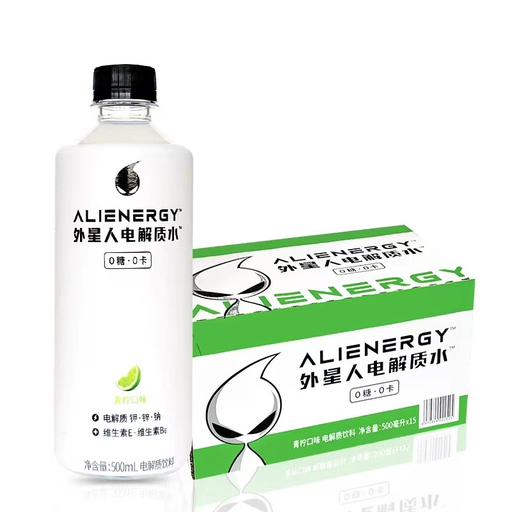 No image available
The 15-pack provides ready-to-drink 500 ml bottles for a journey with several stops or travellers. If a particular sugar level, electrolyte amount or caffeine content matters to you, check the current bottle label.
 No image available
This four-bottle pack is a sports-drink option to compare if the journey includes exercise and you deliberately want a drink containing carbohydrate. Check the current bottle’s sugars, ingredients and electrolyte information rather than treating it as a zero-sugar choice.
No sports drink is needed simply because you are travelling by car. The NHS recommends water for replacing lost fluids; consider a sports-drink formulation separately if the trip also involves prolonged exercise.
No. ASDA lists 4.1g sugars per 100ml for Powerade Berry & Tropical despite its lower-calorie positioning. Read the sugars figure on the specific bottle if zero sugar is your aim.
Check sugars and carbohydrate per 100ml, the serving size, sweeteners and any label warnings. A Joybuy listing for Lucozade Sport Zero Raspberry & Passionfruit states 0g sugars per 100ml, but that figure should not be assumed for other products in the range.
No. If you feel sleepy while driving, stop somewhere safe rather than relying on a drink. The Department for Transport’s Highway Code recommends planning sufficient breaks, including at least 15 minutes after every two hours of driving.
Yes. ASDA lists aspartame and acesulfame-K in Powerade Berry & Tropical, while Gatorade UK lists steviol glycosides in its Hydration Booster flavours. Check the exact product’s current ingredient list and warnings if an ingredient matters to you.