Canteen buyers planning glass-bottle service
You need to distinguish a drink supplied in glass from one mixed and served in a reusable glass bottle. The venue’s cleaning, breakage and waste arrangements also affect the choice.


For an ordinary workplace lunch, water is a sensible starting point: the NHS recommends drinking regularly and checking drinks labels for sugar. If serving in glass matters, Oshun supplies an electrolyte concentrate in a refillable glass bottle, while Humantra offers sachets with a glass bottle under a stated purchase condition. Both require preparation rather than providing a ready-to-drink sports drink; check the canteen’s glass-handling and food-safety procedures before choosing either approach.
You need to distinguish a drink supplied in glass from one mixed and served in a reusable glass bottle. The venue’s cleaning, breakage and waste arrangements also affect the choice.
A ready-to-drink carbohydrate-electrolyte product may fit an exercise-related purpose. For a routine desk-based lunch, compare it with water and check the drink’s nutrition label rather than relying on the sports-drink name.
If you would rather mix an electrolyte product with water, check the formulation and directions for the exact product. A sachet or concentrate is a different service format from a finished bottled drink.
Start with the reason for serving the drink, then check its packaging, label and preparation requirements against the canteen’s procedures.
| Priority | What to check | Your needs |
|---|---|---|
| Purpose | Decide whether the drink is for an ordinary lunch or around exercise. The NHS recommends drinking regularly and checking drinks labels; the cited Lucozade Sport Orange listing describes use during prolonged endurance exercise. | For a desk-based lunch, I want a drink that fits everyday use rather than choosing a sports drink by default. |
| Glass format | Check whether the product itself arrives in glass or is mixed in a separate serving bottle. Oshun describes its concentrate as supplied in a refillable glass bottle; Creed Foodservice identifies its Lucozade Sport Orange 500ml bottle as plastic. | If glass is important for service, I need to know exactly which container is glass and whether the drink needs preparing. |
| Formulation | Read the current nutrition label for the exact flavour and serving size. Coca-Cola Great Britain lists 4.1g sugars per 100ml for Powerade Berry & Tropical Fruits; Humantra directs users to mix one sachet with 500–1,000ml of water. | I would check sugar alongside how much water and preparation the drink requires. |
| Canteen handling | Confirm the venue’s rules for glass storage, cleaning, breakages, returns and waste. GOV.UK food-hygiene guidance covers food-safety management, while Health and Safety Executive guidance addresses workplace drinking water and meal facilities. | Before serving drinks in reusable glass, I need a workable way to handle and clean the bottles at this canteen. |
Oshun’s concentrate comes in glass, while Humantra’s sachets are mixed with water and can be paired with a glass bottle. Neither format is a pre-filled, ready-to-drink sports beverage in glass.
Describe the product and serving vessel separately on menus and purchasing lists.
The NHS recommends water for everyday hydration and advises against having drinks high in sugar too often. A sports-drink label alone does not establish a need for it at lunch.
Make water available and check the current nutrition label when offering a drink intended for exercise.
Reusable bottles introduce handling and cleaning steps that depend on the canteen’s arrangements.
Agree how bottles will be stored, washed and returned, and how breakages will be dealt with before introducing glass service.
Product descriptions for concentrates, sachets and ready-to-drink beverages do not establish which delivers a better outcome at a workplace lunch.
Compare the stated packaging, ingredients, nutrition and mixing instructions instead of claiming one format performs better.
These brands illustrate different product formats; a glass serving bottle and a drink supplied in glass are not the same thing.
Electrolyte concentrate supplied in a refillable glass bottle, according to Oshun’s product page.
Electrolyte sachets for mixing with water in a reusable bottle.
A ready-to-drink sports-drink format rather than the requested glass-packaged format in the cited Orange listing.
Coca-Cola Great Britain describes Powerade as a ready-to-drink isotonic sports drink intended for use around exercise.
A powdered carbohydrate-electrolyte option for preparing a drink rather than buying one ready to serve.
This powder is an option for mixing a drink with water at the canteen, not a ready-to-drink sports drink supplied in a glass bottle.
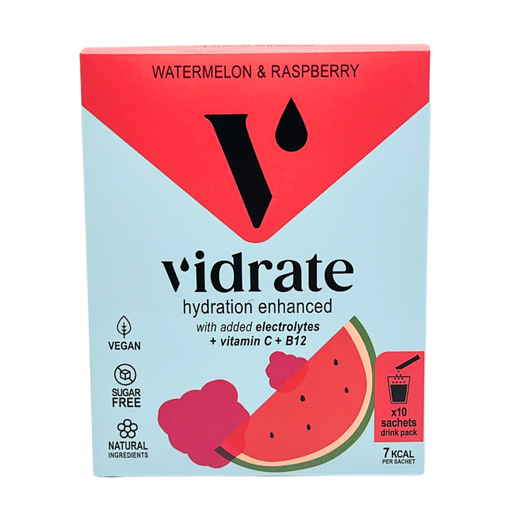 Image unavailable
This powder needs mixing with water before service. If serving it in glass, choose a suitable vessel and confirm the canteen’s cleaning and breakage procedures; check the current label for caffeine information when that matters to your lunch selection.
No. The NHS describes water as a choice for everyday hydration and advises against having drinks high in sugar too often. If you want a drink for exercise around the working day, check its formulation and intended use rather than assuming every sports drink serves the same purpose.
No. Oshun says its electrolyte concentrate comes in a refillable glass bottle, but the concentrate must be added to water. Humantra’s sachets are also mixed with water; its glass bottle is offered under a stated purchase condition. Check the packaging of any ready-to-drink product separately.
Check the venue’s arrangements for storing, cleaning and returning bottles, as well as dealing with breakages and waste. GOV.UK food-hygiene guidance addresses food-safety management; the practical glass-handling arrangements need to work for the particular canteen.
Follow the directions for the exact sachet and use drinking water. Humantra, for example, directs users to mix one sachet with 500–1,000ml of water. The reusable bottle also needs to fit the canteen’s cleaning and handling procedures.