
24/7 全天候客户支持

免费退货

当日/次日达

品质保障

开启新人专享福利: 全场免邮 | 低至 2 折 | 免费试用 30 天 JoyPlus 会员
下载 Joybuy
By Joybuy Product Recommendation Officer
Sports energy gels are designed to provide convenient carbohydrate support before or during prolonged physical activity. They are popular with runners, cyclists, triathletes, gym-goers and anyone who wants compact fuel without carrying a bottle of powder or a large snack.
However, choosing an endurance energy gel is not simply a matter of picking a flavour. Marketing terms such as “rapid energy”, “zero sugar” and “professional-grade” can hide important differences in carbohydrate quantity, caffeine content, electrolyte levels and recommended use.
A zero sugar energy gel may still contain a significant amount of carbohydrate. For example, several Applied Nutrition isotonic energy gels provide 23.1g of carbohydrate per 60g sachet, while their nutrition panels list 0g of sugars. This can suit shoppers looking to avoid sugar specifically, but it does not mean the product is carbohydrate-free.
Always compare the total carbohydrate per sachet, not just the front-of-pack sugar claim.
A caffeine energy gel can be useful before or during demanding exercise, but caffeine levels vary widely. Applied Nutrition’s caffeinated endurance gels provide 75mg per sachet, while its ABE pre-workout gel provides 200mg per 60g serving. Other drinks, pre-workout powders and coffee also contribute to your daily caffeine intake.
Check the label, follow the stated serving limit and avoid combining products casually. Caffeinated gels are not suitable for everyone, including children and pregnant or breastfeeding women. Anyone with a medical condition or taking medication should seek professional advice before use.
Some products are labelled as isotonic or suitable for direct consumption, while thicker carbohydrate gels may be more comfortable with water. Even when a sachet does not require water, hydration remains important during prolonged exercise.
Test a product during training rather than using an unfamiliar flavour or formulation for the first time on race day. Also check allergens, sweeteners and the full ingredient list before buying.
For long-distance exercise, compare how many grams of carbohydrate each sachet provides. A standard carbohydrate energy gel may offer around 23g, whereas a higher-carbohydrate endurance gel can provide 40g per serving.
Some formulas use multiple carbohydrate sources, such as maltodextrin, fructose and highly branched cyclic dextrin. Applied Nutrition’s Endurance Elite range lists a 1:0.8 carbohydrate ratio and 40g of carbohydrate per gel. This is a larger serving, so check whether it fits your personal fuelling plan and daily maximum.
For a smaller, straightforward option, Vilgain Energy Gel Lemon Matcha provides 23g of carbohydrate in a 40g gel, along with magnesium, potassium and sodium.
Electrolytes can be relevant during prolonged or sweaty sessions, particularly in warmer conditions. Look beyond the general phrase “with electrolytes” and check the actual amounts.
The Endurance Elite Tri-Source gels list 250mg of sodium per 60ml gel. Applied Nutrition caffeinated endurance gels list sodium, chloride and magnesium, while the standard isotonic versions provide a lower mineral profile. If you already use an electrolyte drink, compare the combined intake rather than assuming every gel needs to provide a high amount.
A pre-workout energy gel is not the same as a carbohydrate gel for repeated use during a marathon or cycling event.
Also check the serving size: energy gel sachets commonly range from 40g to 60g, while some products provide a 60ml serving from a larger pack size.
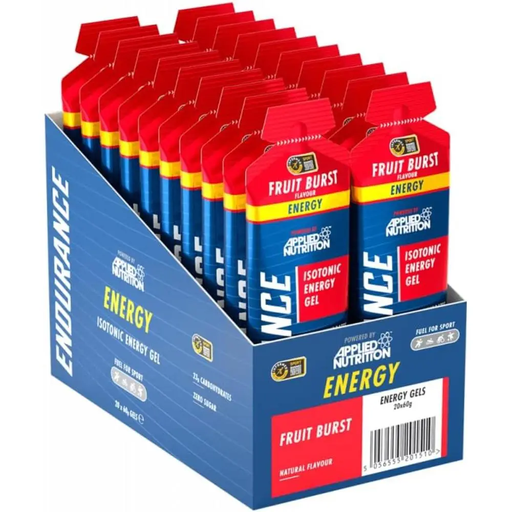
Why This Fits Their Persona: A practical starting point for runners, cyclists and triathlon participants comparing pack size and straightforward carbohydrate content.
The product page states 23.1g carbohydrate and 0g sugar per 60g serving, making the nutrition comparison clear.
Isotonic formulation; supplied as 20 individual sachets and listed as Informed Sport certified.
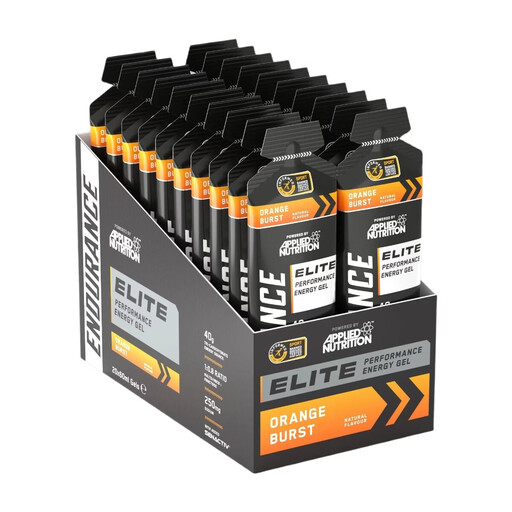
Why This Fits Their Persona: Suited to ultra-endurance athletes who want a higher carbohydrate serving for long runs, cycling events or triathlon training.
It states the carbohydrate quantity, 250mg sodium content and 1:0.8 blend ratio rather than relying only on broad performance language.
40g carbohydrate per gel; tri-source carbohydrate formula; Orange Burst flavour.
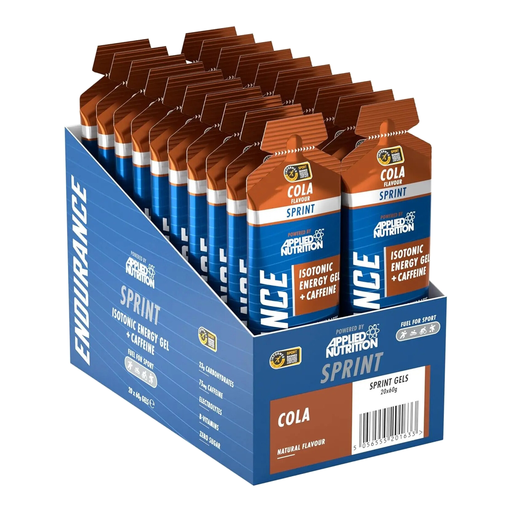
Why This Fits Their Persona: A match for adult runners, cyclists and active users who specifically want caffeine, electrolytes and carbohydrate in one sachet.
The caffeine amount is clearly listed as 75mg per 60g gel, helping users account for other caffeine sources.
23.1g carbohydrate; 75mg caffeine; magnesium, sodium, chloride and B vitamins listed per serving.
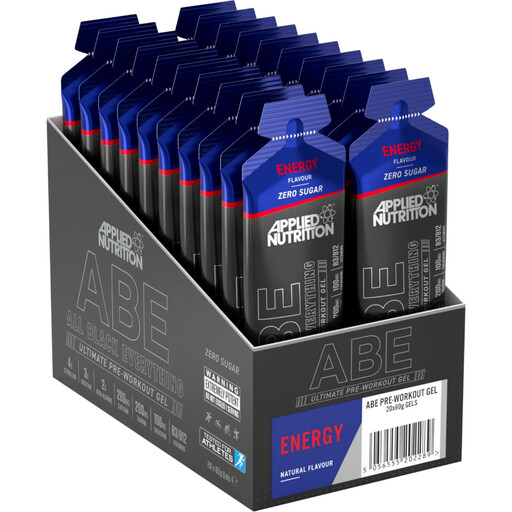
Why This Fits Their Persona: Intended for adults wanting a concentrated pre-workout format for gym sessions, resistance training or high-intensity exercise.
It is clearly positioned as a one-gel pre-workout serving, with a stated 200mg caffeine limit rather than a repeated endurance dose.
200mg caffeine; 4g citrulline malate, 3g creatine monohydrate and 2g beta-alanine per 60g gel.
We have compiled a complete, real-time list of products that fully satisfy these strict selection criteria and UK safety regulations.
Use the product according to its label and trial it during training first. For longer sessions, many athletes plan carbohydrate intake at regular intervals rather than waiting until they feel depleted. The correct amount depends on session duration, intensity, other food and drink and individual tolerance.
Keep sachets accessible in a running belt, cycling jersey or triathlon race vest. Tear the notch before you need it, but avoid opening gels early if they may leak. Continue drinking water or an appropriate sports drink where required.
They can be convenient for adults taking part in prolonged exercise, but beginners should start with one product and a modest serving during training. Check the ingredient list, carbohydrate amount and warnings first. Caffeine-free options may be more suitable if you are sensitive to stimulants.
There is no universal amount. Follow the product’s serving instructions and consider the carbohydrate supplied by drinks, bars and food. Products in this guide state different limits, from one pre-workout serving to up to several endurance gels per hour. Do not exceed the recommended intake.
A zero sugar energy gel can still provide carbohydrate, but check the nutrition panel carefully. For example, some products list 23.1g of carbohydrate and 0g of sugars per sachet. Whether it suits your marathon plan depends on your overall carbohydrate and hydration strategy. Always check the current packaging before consumption, as ingredients and instructions may change.