
24/7 全天候客户支持

免费退货

当日/次日达

品质保障

开启新人专享福利: 全场免邮 | 低至 2 折 | 免费试用 30 天 JoyPlus 会员
下载 Joybuy
Choosing sports energy powder supplements can feel straightforward until you compare caffeine levels, carbohydrate amounts, electrolyte blends and dietary claims. A colourful tub may promise focus, endurance or recovery, but the label often reveals that it is designed for a very specific type of training.
Buying the wrong formula can mean paying for stimulants you do not need, consuming too little carbohydrate for a long ride or choosing a hydration drink that provides minimal electrolytes. This guide explains the practical specifications to check before buying, followed by tailored recommendations for different training needs.
A caffeine pre-workout may increase alertness, but caffeine does not replace carbohydrate or fluids. A high-stimulant formula may be unsuitable for evening training, caffeine-sensitive adults or anyone already drinking coffee and energy drinks.
Check the caffeine amount per serving rather than relying on phrases such as “energy blend”. For context, several products in this category provide between 80mg and 200mg of caffeine per serving. Always include coffee, tea and other supplements when considering your total intake.
Carbohydrate formulas vary considerably. A product providing 24g per serving may suit a gym session or shorter training block, while a prolonged cycling or running session may require a larger carbohydrate serving alongside electrolytes.
Also check whether the product contains sugar. “Zero sugar” does not mean “zero carbohydrate”: some powders use highly branched cyclic dextrin or other carbohydrate sources that provide energy without sugar listed in the nutrition panel.
Vegan, vegetarian, gluten-free and Halal claims can be useful, but always check the current packaging. Allergen statements may also say that a product is made in a facility handling milk, soya, egg or cereals containing gluten. This distinction matters if you have an allergy rather than a preference.
For intra-workout energy, compare the actual grams of carbohydrate per serving. Applied Nutrition Carb X provides 24g of carbohydrate per 25g serving, using highly branched cyclic dextrin. It is listed as zero fat and zero sugar, with vegan, vegetarian, gluten-free and Halal suitability stated for selected versions.
For endurance sessions, Applied Nutrition carbohydrate energy powders provide approximately 47.8g of carbohydrate per 50g serving, alongside electrolytes. These are more directly aligned with long runs, cycling, triathlon training or other activities lasting roughly 60–90 minutes or longer.
A hydration powder with electrolytes should show the mineral quantities rather than simply using the word “hydration”. Sodium is particularly relevant when substantial sweating occurs, while potassium, magnesium and calcium may also appear in the formula.
The fourfive Hydro Plus product lists more than 900mg of core electrolytes, including sodium, potassium, magnesium and calcium, and provides 80mg of caffeine per serving. By comparison, the Applied Nutrition endurance formula lists 300mg of electrolytes per serving. These figures are not directly interchangeable because serving sizes and training conditions differ.
A standard pre-workout powder may combine caffeine with ingredients such as creatine, beta-alanine and citrulline. Applied Nutrition ABE versions list 200mg caffeine, 4g citrulline malate, 3g creatine monohydrate and 2g beta-alanine per serving.
A non-stimulant pre-workout is a different proposition. The PhD formula is listed as caffeine-free and includes citrulline, creatine, beta-alanine and taurine. This may be more suitable for late sessions, although beta-alanine can cause temporary tingling in some people.
Always follow the product label. Avoid combining multiple stimulant products without checking their total caffeine content, and seek professional advice if pregnant, breastfeeding, taking medication or managing a medical condition.
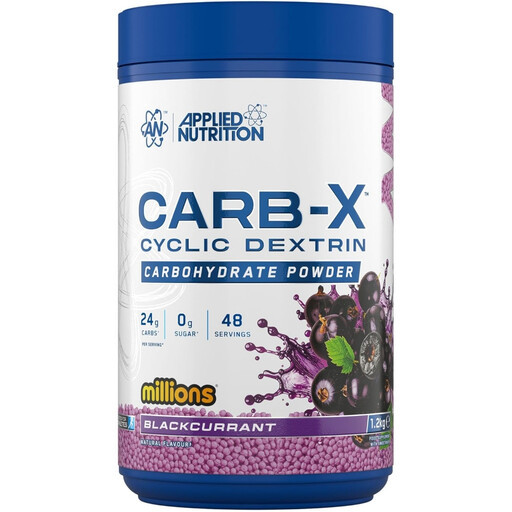
Why This Fits Their Persona: A large 1.2kg format provides a practical starting point for gym users who want carbohydrate support without paying for caffeine or a complex pre-workout blend.
The label states 24g carbohydrate per serving and zero sugar, so buyers can compare usable carbohydrate rather than vague energy wording.
24g carbohydrate per serving; listed as vegan, vegetarian, gluten-free and Halal suitable.
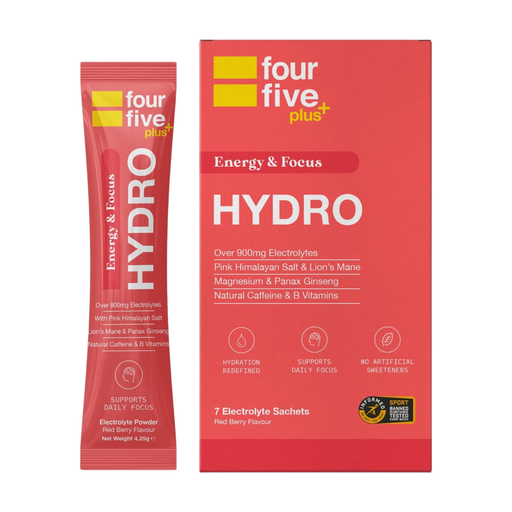
Why This Fits Their Persona: Suitable for adults who want hydration, modest caffeine and a portable format for training, commuting or busy working days.
The product information specifies electrolyte quantities and caffeine per serving rather than leaving the active blend undefined.
More than 900mg listed core electrolytes; zero added sugar and 14 calories per serving.
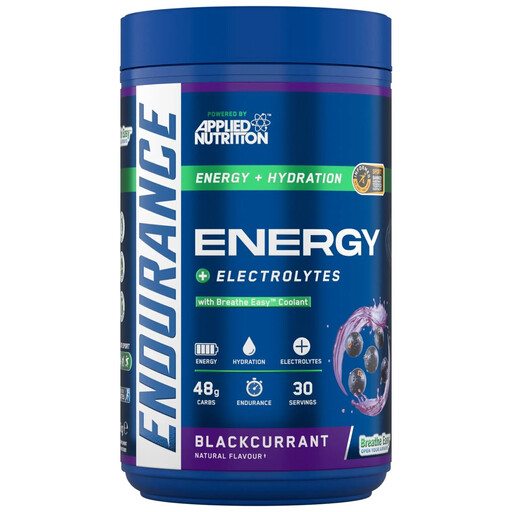
Why This Fits Their Persona: Designed for runners, cyclists and athletes managing prolonged sessions where carbohydrate and hydration need to be planned together.
It states 48g carbohydrate and 300mg electrolytes per 50g serving, making it easier to assess against a long-session plan.
48g fast-absorbing carbohydrate; adjustable mixing concentration with a 1.5kg pack size.
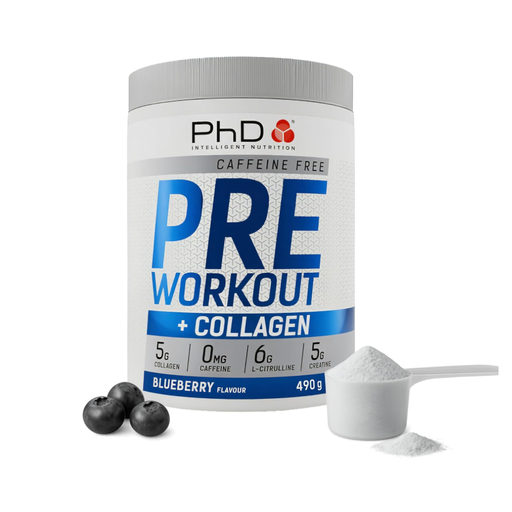
Why This Fits Their Persona: A practical option for adults who train late or prefer a pre-workout format without caffeine or other listed stimulants.
The product description clearly identifies it as caffeine-free, avoiding accidental stimulant use before bedtime.
Lists citrulline, creatine, beta-alanine and taurine; 490g tub format.
We have compiled a complete, real-time list of products that fully satisfy these strict selection criteria and UK safety regulations.
They can be, but they may not be necessary for every short session. A carbohydrate powder is more relevant when training is long, intense or performed with limited food intake. For shorter workouts, compare the serving size and cost before buying.
A non-stimulant pre-workout avoids caffeine, which may make it more suitable for late sessions. It still contains active ingredients, so follow the label and do not assume caffeine-free means suitable for every user.
Calculate the price per serving rather than comparing tub prices alone. Divide the purchase price by the stated number of servings, then check the recommended daily maximum. A larger tub may reduce the cost per serving, but only if you will use it before the best-before date and the formula matches your training needs.