
24/7 Customer Support

Free returns

Same-day & Next-day Delivery

Quality Guaranteed

Unlock Your Welcome Offers: FREE Delivery | Up to 80% OFF | Free 30-day JoyPlus trial
Download the APP
Buying sports equipment and Asian food online can save time and offer more choice, but product pages do not always make the important differences easy to spot. A football may be the wrong size for a child, an exercise ball may not suit your height and frozen food can be unsuitable for your household if allergen or storage details are overlooked.
This guide focuses on the checks that help UK shoppers avoid common purchasing mistakes, from choosing sports balls for children to ordering frozen fish balls and glutinous rice balls for home cooking.
Bright colours, club graphics and impressive-sounding descriptions can distract from practical details. A Size 5 football is generally intended for older youths and adults, while younger children may handle a Size 3 or Size 4 more comfortably. Likewise, a 65 cm exercise ball is not automatically suitable for every user.
Always check the size, intended age range, dimensions and weight capacity before placing an order.
Indoor courts, outdoor driveways, grass, artificial turf and beaches place different demands on materials. A leather-style basketball may offer a softer hand feel, while a rubber or foam-rubber football is more suitable for wet outdoor play. Product descriptions that only mention “durable” do not necessarily explain whether the ball is waterproof, abrasion-resistant or suitable for hard surfaces.
Some frozen Asian food is pre-cooked and only needs reheating, while other products must be cooked thoroughly. For example, pre-fried fish balls can be deep-fried, baked or air-fried from frozen, whereas several raw fish ball products must be boiled or added to simmering soup before consumption.
Check the cooking instructions, allergen declaration, net weight and freezer requirements rather than relying on the product photograph.
For footballs, the common size guide is:
For basketballs, the reference sizes in the selection include Size 7 at approximately 75 cm for players aged 13 and above and Size 5 at approximately 70 cm for youth players. Check the rules of your child’s school, club or league if the ball is intended for organised sport.
Cover material also affects use. PU or microfibre leather can provide a softer surface and defined grip, while rubber and foam-rubber constructions are practical for outdoor conditions. A waterproof shell may reduce water absorption, but the ball still needs to be dried and stored away from sharp objects and prolonged heat.
For padel balls, look for a rubber core, felt outer covering and sealed tube packaging. A three-ball pack can be convenient for training sessions, social games and replacement planning, but playing frequency and court surface will influence how long the balls remain suitable for use.
An exercise ball should be selected according to the user’s height, desk setup or intended activity. Available diameters commonly include 55 cm, 65 cm and 75 cm. A ball that is too large or too small may make seated use and balance exercises uncomfortable.
Important checks include:
Massage balls vary in firmness and texture. A dual set containing a hard ball and a spiky ball can provide different pressure options for areas such as the feet, shoulders and legs. Use gentle to moderate pressure, avoid damaged or inflamed skin and stop if discomfort occurs.
Frozen fish balls and cuttlefish balls are useful in hot pot, noodle soups, stir-fries and quick family meals. However, recipes differ considerably. Freshasia WanJiang Fish Balls contain 77% Japanese threadfin bream, while the FRESHASIA Wan Deep-Fried Fish Balls list 50% fish and are pre-fried for reheating.
For glutinous rice balls, compare flavour, filling and pack size. Synear Longjing tea glutinous rice balls contain dragon well tea powder and matcha powder, while the black sesame variety includes sesame and peanut. The peanut-filled option is supplied in a 454 g pack and is designed to be boiled before serving.
Keep frozen products at -18°C or below, follow the packaging’s best-before information and do not refreeze after defrosting. Always read the full allergen statement, particularly where products contain fish, egg, soy, wheat, peanuts, sesame or molluscs.
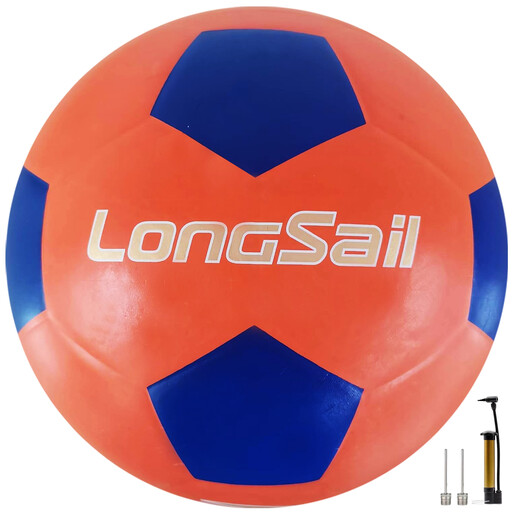
Why This Fits Their Persona: A manageable format for young children beginning outdoor play in UK parks and gardens.
The Size 3 format avoids giving a small child an unnecessarily large football, while the seamless foam-rubber shell is described as waterproof.
Includes an inflation pump, needle and mesh storage bag; suitable for grass, turf and beach play.
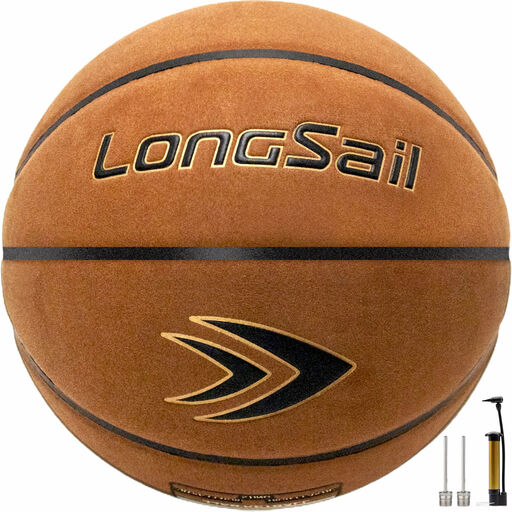
Why This Fits Their Persona: Suits adult players wanting a Size 7 basketball for regular indoor and outdoor practice.
The listing identifies the cover material and deep-channel construction instead of relying only on appearance or colour.
Approximately 75 cm circumference; PU or microfiber leather cover with a rubber bladder.
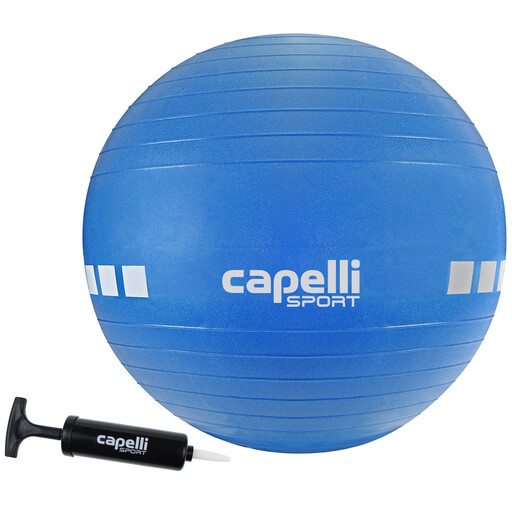
Why This Fits Their Persona: A practical choice for home fitness and wellness equipment where compact size and varied use matter.
The 55 cm measurement and stated 150 kg maximum load make suitability easier to assess before ordering.
Anti-slip, anti-burst PVC construction; foot pump included for inflation.
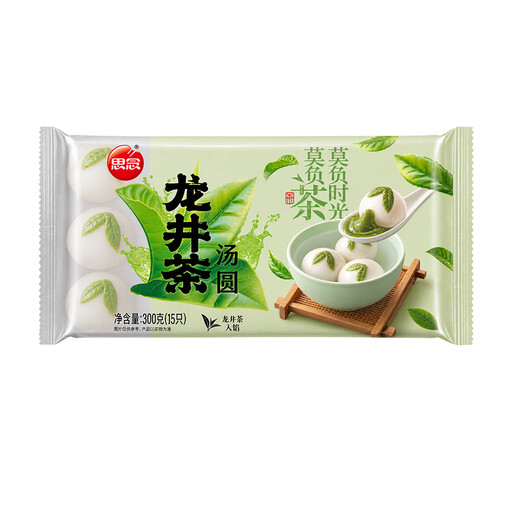
Why This Fits Their Persona: A portioned frozen dessert for households looking for a distinctive tea flavour without making dumplings from scratch.
The pack lists 15 pieces, ingredients and allergens, including barley, soybeans and wheat containing gluten.
300 g frozen pack; cooking method explains boiling, floating and resting before serving.
We have compiled a complete, real-time list of products that fully satisfy these strict selection criteria and UK safety regulations.
Use the child’s age and the relevant club or school guidance as a starting point. Size 3 is commonly used by younger children, Size 4 by children aged approximately eight to 12 and Size 5 by older youths and adults. Comfort and control are more useful measures than choosing a larger ball for future use.
Inflate it gradually with the supplied pump, avoid overinflation and use it on a clean, level surface. Keep it away from sharp objects, direct sunlight and high temperatures. Wipe it with a soft, damp cloth and inspect it before use. Replace it if the surface shows damage or significant wear.
Confirm that the item is stored at -18°C or below, review the ingredients and allergens and check whether it is raw, pre-cooked or ready to reheat. On arrival, return it to the freezer promptly and never refreeze it after defrosting.