
24/7 Customer Support

Free returns

Same-day & Next-day Delivery

Quality Guaranteed

Unlock Your Welcome Offers: FREE Delivery | Up to 80% OFF | Free 30-day JoyPlus trial
Download the APP
Getting kitted out for a new hobby, whether it’s angling on a quiet riverbank or finding your balance on a paddle board, is an exciting prospect. However, the market for outdoor and sports equipment is filled with marketing hype and hidden flaws that can lead to disappointing purchases. Many of us have bought gear that looked promising online, only for it to fail after a few uses.
As the Joybuy Product Recommendation Officer, my role is to help you see past the flashy descriptions and focus on what truly matters. This guide will highlight the common pitfalls to avoid and the key features to look for, ensuring your money is well spent on equipment that enhances your leisure time, rather than ending it prematurely.
Before you add anything to your basket, be aware of these frequent issues that catch out even savvy shoppers.
To make an informed choice, focus on these non-negotiable parameters. They are the true indicators of performance and longevity.
When looking at fishing rods, especially for lure fishing gear, two components are paramount: the rod blank and the line guides.
For inflatable paddle boards (SUPs), stability is everything, especially for beginners or those wanting to try yoga on the water.
A simple prop like a yoga block can make a world of difference to your practice, but not all are created equal.
Here are a few items selected to match different user needs, all of which meet the practical criteria discussed above.
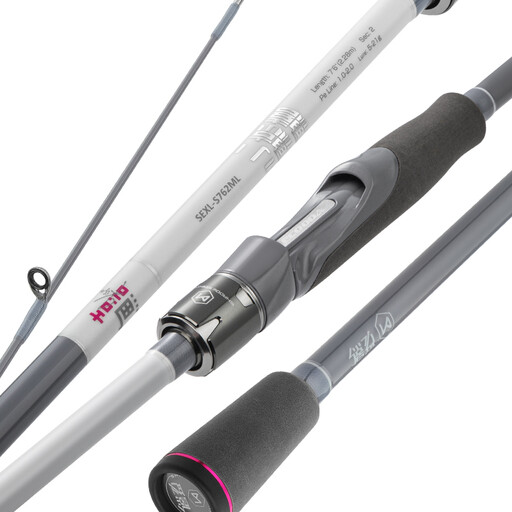
Why This Fits Their Persona: This rod is for the hobbyist who has moved beyond basic gear and understands the value of quality components. It's suited for targeting species like bass and trout in UK waters, where rod sensitivity makes a real difference.
It sidesteps the "complete kit" trap by being a standalone, quality item. The focus is on performance parts like the carbon blank and Fuji guides, not bundling cheap, disposable accessories.
Features a lightweight carbon fibre blank for excellent sensitivity and Fuji SIC guides for smooth, long-distance casting and reduced line wear.
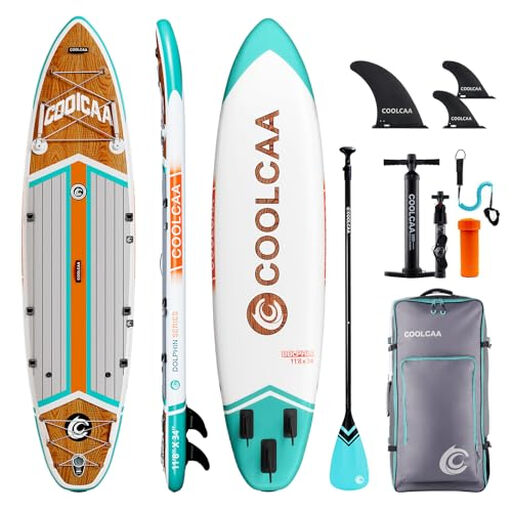
Why This Fits Their Persona: With its extra-wide 34-inch deck and high 490 lb capacity, this board is built for stability. It's ideal for family fun on a calm lake, for beginners finding their feet or even for paddling with a dog on board.
This board counters vague material claims by specifying its military-grade PVC construction and a 5mm EVA deck pad, which is thicker than many alternatives, providing genuine durability and comfort.
Exceptional stability from its 34-inch width and a genuinely complete accessory package, including a carbon fibre paddle and backpack for practical transport and storage.
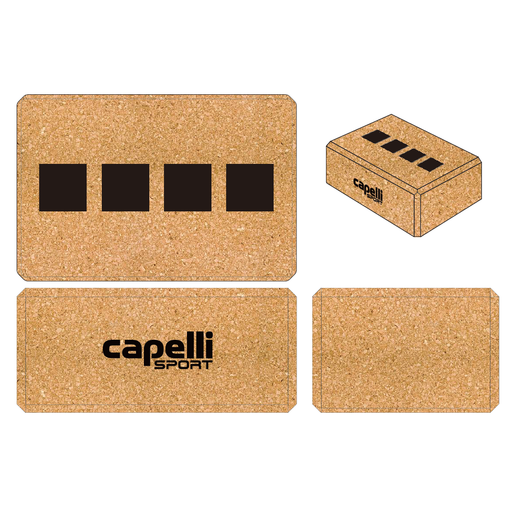
Why This Fits Their Persona: For the yoga or pilates enthusiast who values stability and natural materials. Its firmness provides reliable support for deepening stretches or maintaining balance in challenging poses, making it a durable addition to a home practice.
This block avoids the trap of flimsy accessories. Unlike low-density foam that can compress or become unstable over time, natural cork offers consistent, firm support for years of practice.
Made from eco-friendly, high-density cork for superior stability. The non-slip surface and bevelled edges ensure a secure and comfortable grip during use.
We have compiled a complete, real-time list of products that fully satisfy these strict selection criteria and UK safety regulations.
With proper care, a quality inflatable SUP made from multi-layer PVC can last for many years. The key is to rinse it with fresh water after use (especially in the sea), allow it to dry completely before storing and keep it out of direct sunlight for prolonged periods to prevent UV degradation of the material.
The difference primarily lies in the materials and components. A more expensive rod will typically use a higher modulus carbon fibre, making it lighter and more sensitive. It will also feature higher-grade components, like Fuji or similar quality guides and a more ergonomic reel seat, which improve casting performance, comfort and overall durability.
Neither is definitively "better," as it depends on personal preference. Cork is denser, heavier and offers very firm, stable support, and it's a natural material. Foam is lighter, has a softer feel and can be more forgiving for beginners. If you prioritise stability and an eco-friendly material, cork is an excellent choice. If you prefer a lighter prop with more give, high-density foam is a great option.