
24/7 Customer Support

Free returns

Same-day & Next-day Delivery

Quality Guaranteed

Unlock Your Welcome Offers: FREE Delivery | Up to 80% OFF | Free 30-day JoyPlus trial
Download the APP
Choosing between sports hydration drinks and energy gels can be surprisingly difficult. Bright packaging often suggests rapid hydration, sustained energy or advanced performance support, but the useful information is usually found in the nutrition table and ingredient list.
For UK runners, cyclists, gym-goers and busy consumers, three buying traps are particularly common:
The right choice depends on exercise duration, sweat loss, taste preference, caffeine tolerance and whether you need fluids, carbohydrates or both.
Electrolyte drinks may contain sodium, potassium and magnesium in different quantities. Sodium is particularly relevant when you sweat heavily, but more is not automatically more suitable for every person or activity.
For a practical comparison, check:
Some products use the term electrolyte water for a lightly flavoured, low-calorie drink. Others are isotonic sports drinks containing both carbohydrates and minerals. These products serve different purposes, so compare the full nutrition panel rather than relying on terms such as “performance” or “rapid”.
Carbohydrate can be useful during long-distance running, cycling or demanding training, but a sugary drink may be unnecessary for a short gym session or an ordinary working day.
The products in this category vary considerably:
Read both “carbohydrate” and “of which sugars”. For example, a 380ml bottle of Lucozade Energy Orange lists 133kcal and 17g of sugars per bottle, while Cadence Core Citrus lists 0g sugar and 5kcal per 330ml can.
Endurance energy gels are concentrated carbohydrate products designed for use during prolonged or intense activity. A gel containing 22g of carbohydrate is very different from a hydration drink containing only electrolytes.
Before buying carbohydrate energy gels, check:
Isotonic gels are formulated for consumption without additional water, although you may still choose to drink water according to your needs. Do not introduce a new gel during an important event without trying the flavour and texture during training first.
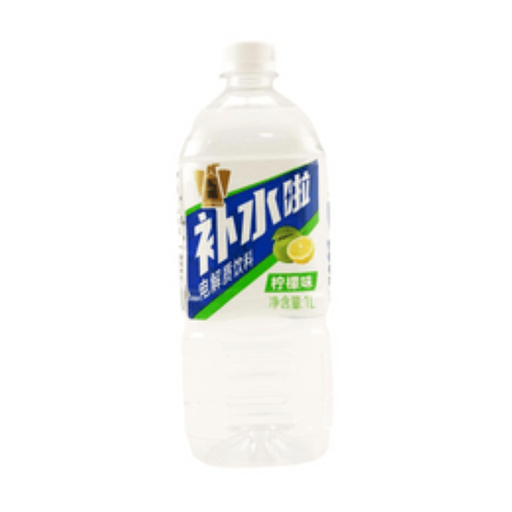
Why This Fits Their Persona: A single 555ml ready-to-drink bottle is a straightforward option for beginners, students and occasional gym users who want a flavoured electrolyte drink without committing to a sports nutrition multipack.
The 555ml format makes the serving size clear. Its label lists 26kcal and 6.0g sugars per 100ml, helping shoppers avoid mistaking it for a zero-sugar product.
Lemon flavour, ready-to-drink format and ingredients including salt, sodium citrate, potassium chloride and coconut water concentrate.
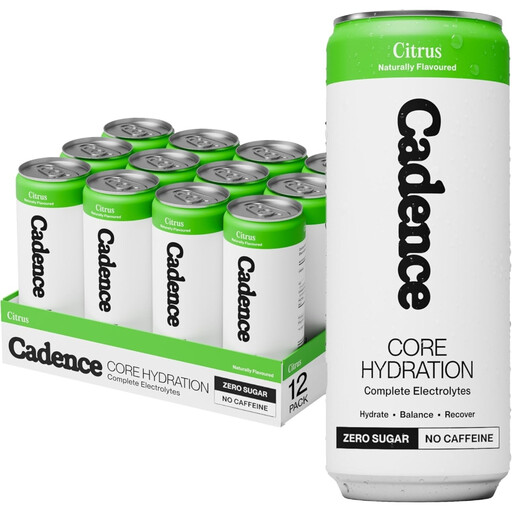
Why This Fits Their Persona: Suitable for active adults who prefer a prepared, low-calorie option for gym bags, commuting, training and post-workout recovery.
The nutrition panel states 0g sugar, 5kcal and 1.25g salt per 330ml can, so the product’s low-calorie positioning can be checked directly against the serving information.
Contains sodium citrate, potassium citrate and magnesium citrate, with a 12-can format and citrus flavour.
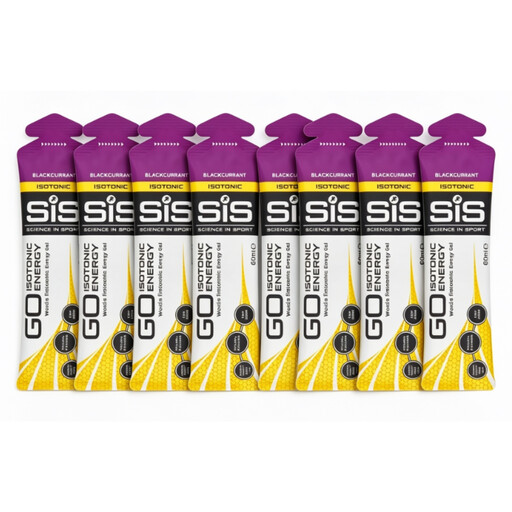
Why This Fits Their Persona: Designed for adult runners, cyclists and fitness enthusiasts who need portable carbohydrate energy gels during longer or higher-intensity sessions.
Each 60ml sachet lists 22g carbohydrate and 87kcal. The stated guidance also explains intake during exercise, rather than presenting the gel as an everyday drink.
Orange flavour, portable squeeze packaging, maltodextrin-based carbohydrate and an isotonic format designed for use without additional water.
Sports nutrition products can contain caffeine, sweeteners, preservatives, colourings or allergens. Lucozade Energy products and CELSIUS Watermelon Strawberry contain caffeine, so check the label if you are sensitive to caffeine, exercising late or buying for younger people.
Some products contain aspartame and a source of phenylalanine. Others use sucralose, acesulfame K, erythritol or steviol glycosides. These ingredients are not interchangeable from a taste or dietary perspective.
For UK purchases, check the current packaging for:
Pack size also affects value. A 12-pack may reduce the cost per serving but requires more storage space and ties you to one flavour. Single bottles or six-pack energy gels can be more practical when you are still deciding what suits your training routine.
We have compiled a complete, real-time list of products that fully satisfy these strict selection criteria and UK safety regulations.
No. Water may be adequate for shorter, lower-intensity sessions. Electrolyte drinks become more relevant when exercise is prolonged, takes place in hot conditions or involves considerable sweating. Carbohydrate-containing drinks and gels are generally more relevant to endurance activity than brief exercise.
Choose according to your purpose. A zero-sugar hydration drink may suit daily use or training when you do not need extra carbohydrate. An isotonic sports drink may be more appropriate when you want fluid, electrolytes and carbohydrate together during longer exercise. Check the nutrition panel before purchasing.
Follow the instructions on the specific product and consider the length and intensity of your session. Some products suggest one gel every 45–60 minutes, while others provide different guidance. Start conservatively, take account of total carbohydrate from drinks and food and stop if you experience discomfort. Always check the label before use.