
24/7 Customer Support

Free returns

Same-day & Next-day Delivery

Quality Guaranteed

Unlock Your Welcome Offers: FREE Delivery | Up to 80% OFF | Free 30-day JoyPlus trial
Download the APP
Pushing your physical limits, whether in the gym, on the track or during a long cycle, requires more than just determination. Proper sports hydration is fundamental to performance, yet it's often misunderstood. Feeling that mid-workout slump, battling muscle cramps or experiencing a slow recovery can all be signs that your body isn't getting the fuel and fluids it needs.
Navigating the world of sports supplements can be confusing. With so many powders, gels and tablets available, how do you choose the right one for your specific needs? As a Joybuy Product Recommendation Officer, my role is to help you understand the options, so you can make an informed choice that supports your fitness goals. This guide will break down what to look for in a sports hydration product and highlight a few recommendations for different types of activity.
Finding the right supplement starts with understanding your own training. A product that works for a marathon runner might not be suitable for someone focused on strength training. Here are a few key points to consider.
The duration and intensity of your exercise are the most important factors.
Look beyond the marketing and analyse the nutrition label.
Practicality matters. Gels are convenient to carry on a run, effervescent tablets are easy to drop into a water bottle at the gym and powders offer flexibility in concentration. Choose a format that fits seamlessly into your routine and a flavour you find refreshing, as you'll be more likely to use it consistently.
Based on their formulation and intended use, here are a few products that cater to different athletic needs.
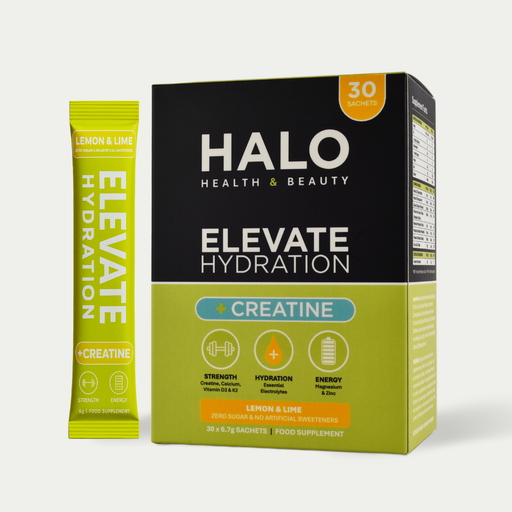
Why It Stands Out: This product offers a clever two-in-one solution by combining a daily serving of creatine with essential electrolytes. It streamlines your supplement routine, supporting both strength goals and hydration in a single, sugar-free sachet.
Pros:
Who is it for? This is a great fit for gym-goers, weightlifters and athletes engaged in sports requiring bursts of power. It’s particularly useful for individuals who want the benefits of creatine without the hassle of taking a separate supplement.
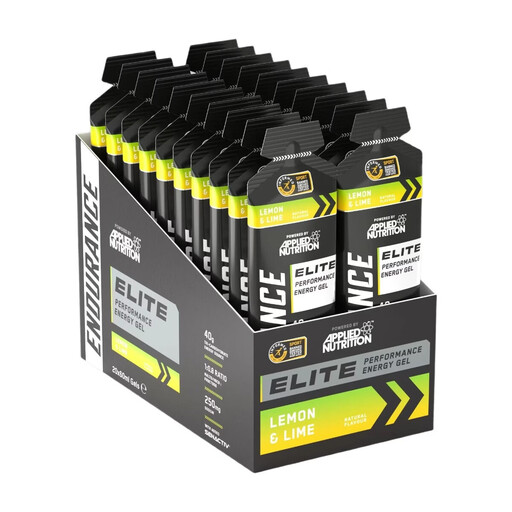
Why It Stands Out: This is a high-performance energy gel specifically formulated for the demands of endurance sports. Its tri-source carbohydrate blend is designed for sustained energy release, helping athletes avoid the dreaded "bonk" during long events.
Pros:
Who is it for? Endurance athletes. Marathon runners, triathletes and long-distance cyclists will find this gel particularly effective for maintaining energy levels during training and competitions lasting several hours.
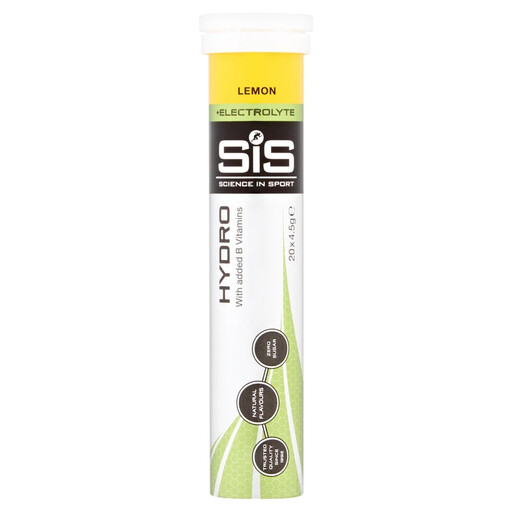
Why It Stands Out: These effervescent tablets provide a straightforward and effective way to replace electrolytes lost through sweat. With virtually no calories or sugar, they are designed purely for hydration, making them a versatile choice for a wide range of activities.
Pros:
Who is it for? Anyone looking for effective hydration support without extra carbohydrates. It's ideal for gym sessions, team sports or even just staying hydrated on a hot day. It is also a great option for athletes who prefer to get their energy from a separate source, like gels or bars.
The products highlighted above cater to specific, common athletic needs. However, the world of sports nutrition is vast, with countless formulations designed for different goals and preferences. If you're searching for different formulations, flavours or types of supplements to match your unique training regimen, you can explore our wider range of sports nutrition products.
1. When should I use a sports hydration drink? This depends on the product and your activity. Pre-workout drinks are taken before you start. During exercise lasting over an hour, sipping an electrolyte or carbohydrate drink helps maintain performance. For recovery, a drink containing carbohydrates and protein is typically consumed within 30-60 minutes after finishing.
2. Is water enough for hydration during exercise? For low-intensity exercise lasting less than 60 minutes, water is usually sufficient. However, for longer or more intense sessions where you sweat significantly, water alone may not be enough. This is because sweat contains electrolytes like sodium, which need to be replaced to prevent dehydration, muscle cramps and a drop in performance.
3. What is the difference between a sports drink and an energy drink? Sports drinks are functionally designed to support athletic performance by replenishing fluids, electrolytes and carbohydrates. Energy drinks, on the other hand, are primarily stimulant-based, containing high levels of caffeine and sugar for a short-term boost. They are not formulated for optimal hydration during physical activity and can sometimes be counterproductive.