
24/7 全天候客户支持

免费退货

当日/次日达

品质保障

开启新人专享福利: 全场免邮 | 低至 2 折 | 免费试用 30 天 JoyPlus 会员
下载 Joybuy
Choosing sports nutrition powder supplements is not simply a matter of selecting the largest tub or the most persuasive label. UK shoppers may be comparing a hydration powder for everyday use, an electrolyte powder for long runs, a carbohydrate energy powder for cycling or creatine and electrolytes for gym sessions. Each serves a different purpose.
This guide from the Joybuy Product Recommendation Officer focuses on the information that matters at the point of purchase: serving size, ingredient quantities, sugar content, dietary suitability, usage instructions and practical value.
A zero-sugar hydration powder can provide fluids and electrolytes without supplying meaningful carbohydrate energy. That may suit an office day, a short gym session or travel, but it is not equivalent to a carbohydrate drink intended for prolonged exercise.
Equally, a carbohydrate powder may provide around 48g of carbohydrate per serving but also contribute approximately 191 kcal. That can be useful during endurance activity, but unnecessary for someone seeking a low-calorie drink.
Some workout supplements combine creatine, electrolytes, vitamins, taurine, plant extracts and sweeteners. More ingredients do not automatically mean a better match for your routine. Check whether the formula supplies the ingredient you actually need and whether it fits your dietary or medical requirements.
For example, a product containing 5g creatine monohydrate per serving is materially different from a simple electrolyte powder containing sodium and potassium only.
Certain energy powder products contain stimulants. Vidrate Boost Hydration Powder Mixed Berry, for example, lists 250mg caffeine per 3g sachet. That is a significant label detail for anyone sensitive to caffeine or already drinking coffee, tea or pre-workout products.
Also check “may contain” statements. Some carbohydrate powders may be produced in facilities handling soya, milk, egg, fish, celery or cereals containing gluten. Always check the current packaging before purchase.
Use the following as a practical starting point:
A large tub can appear economical until you calculate the number of servings. Compare:
Pack weight ÷ serving size = approximate servings
For example, a 1.5kg carbohydrate powder used at 50g per serving provides roughly 30 servings. A 1.2kg carbohydrate powder used at 25g per serving provides approximately 48 servings. Neither is automatically better value; the useful comparison is cost per prepared serving and whether the dose matches your activity.
“Low sugar” does not mean “low carbohydrate”. A product can contain maltodextrin or fructose while listing a relatively modest amount of sugars. Read the nutrition panel rather than relying on front-of-pack language.
For hydration products, compare sodium, potassium and magnesium per serving. For example, Vidrate Hydration Powder Coconut lists 120mg sodium, 80mg potassium and 25mg magnesium per 3g sachet, while its Tropical version lists different electrolyte quantities. This makes the label more useful than the flavour description when comparing options.
The following selections are matched to different buying profiles rather than ranked universally.
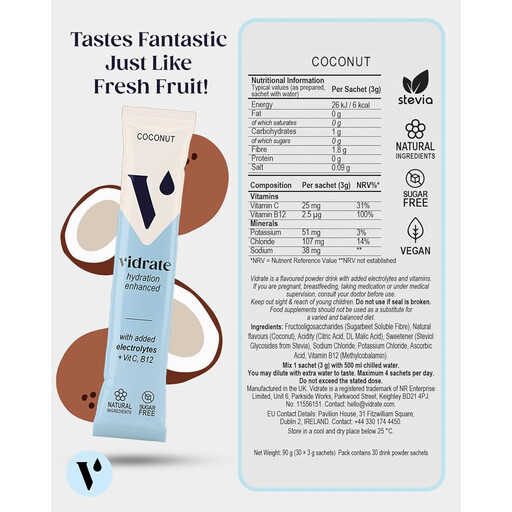
Why This Fits Their Persona: Individual sachets let new users try a portable hydration powder without committing to a large tub. Each sachet is mixed with 500–700ml of water.
The label clearly shows 0g sugar per sachet and a 2 kcal energy value, helping distinguish light hydration from an energy drink.
Ten 3g sachets; sodium, potassium and magnesium included; vitamin C listed per serving.
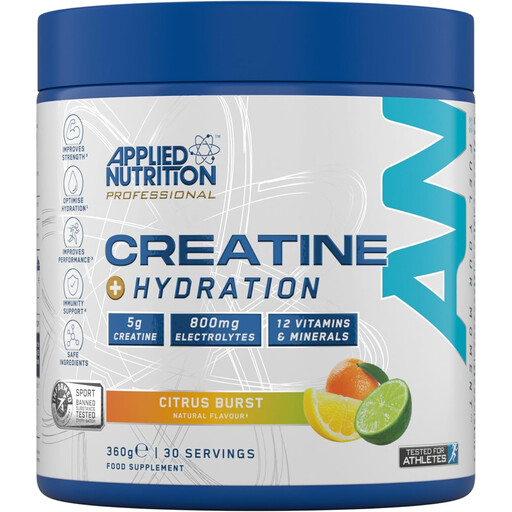
Why This Fits Their Persona: This suits gym-goers wanting one measured daily serving combining creatine and electrolytes, rather than purchasing separate powders.
The per-serving panel specifies 5,000mg creatine monohydrate and gives separate electrolyte and vitamin figures.
360g format; 5g creatine per scoop; citrus flavour; vegan and Halal suitability stated on the product information.
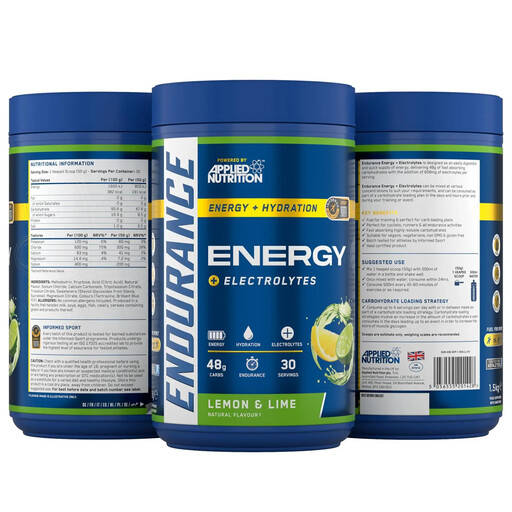
Why This Fits Their Persona: The large format is designed for regular runners, cyclists and endurance users who prepare sports drinks for prolonged activity.
Its 50g serving provides a stated 47.8g carbohydrate and 0.5g salt, so the energy and electrolyte contribution is visible.
1.5kg pack; maltodextrin and fructose; vegan and gluten-free suitability stated; Informed-Sport batch testing listed.
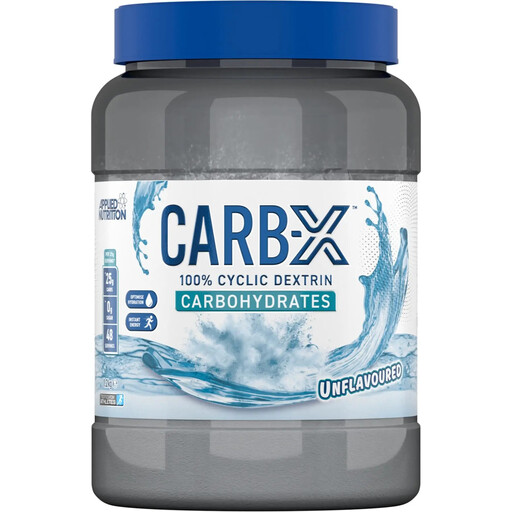
Why This Fits Their Persona: The unflavoured format can be added to water, shakes or another drink without introducing a strong flavour.
The formula lists highly branched cyclic dextrin and provides a clear 25g serving, rather than relying only on broad performance wording.
24g carbohydrate per stated serving; 0g sugar; vegan and gluten-free suitability listed.
We have compiled a complete, real-time list of products that fully satisfy these strict selection criteria and UK safety regulations.
They can be used for different purposes, including hydration, electrolyte replacement, carbohydrate fuelling, creatine intake and post-workout recovery. The correct choice depends on exercise duration, sweat loss, energy requirements and dietary preferences.
Not necessarily. For a short or low-intensity session, water may be sufficient for many people. An electrolyte powder may be more relevant during prolonged activity, hot conditions or heavy sweating. Follow the product label and seek medical advice if you have a medical condition or take medication.
Keep powders sealed in a cool, dry place away from direct sunlight and humidity. Use the stated scoop or weighing method, keep the container out of children’s reach and check the best-before information. Product formulations and instructions can change, so the current label should take priority over online descriptions.