
24/7 全天候客户支持

免费退货

当日/次日达

品质保障

开启新人专享福利: 全场免邮 | 低至 2 折 | 免费试用 30 天 JoyPlus 会员
下载 Joybuy
Buying sports nutrition powder supplements can seem straightforward until you compare serving sizes, protein sources, carbohydrate levels, allergens and added ingredients. A colourful tub or a promise of rapid results does not necessarily mean the formula suits your routine.
Whether you need whey protein powder, vegan protein powder, a mass gainer, or a post-workout recovery supplement, the useful question is not “Which product is most popular?” It is “Which nutritional profile matches my actual goal?”
A 2kg or 6kg container may look economical, but value depends on the number of servings and the amount of active nutrient per serving. A mass gainer serving can weigh 240g, while a whey or plant-based protein serving may be closer to 25–33g. Always compare:
A large package is more practical for regular users, but less suitable if you are still deciding whether you enjoy the flavour or tolerate the ingredients.
A whey protein isolate is generally selected for its concentrated protein content and relatively low carbohydrate and fat levels. A weight gain powder, by contrast, is designed to provide substantially more energy through carbohydrates and a larger serving.
For example, the Applied Nutrition ISO-XP listing provides 22.4g protein and 93 kcal per 25g serving, whereas Applied Nutrition Critical Mass provides 54.9g protein and 917 kcal per 240g serving. Neither profile is automatically right or wrong; they serve different dietary purposes.
Milk-based whey products are unsuitable for people with a milk allergy, while many vegan formulas contain soya. Some products are manufactured in facilities handling additional allergens. Check the full label rather than relying only on terms such as “plant-based”, “clean” or “vegetarian”.
In the UK, food supplements should not replace a varied, balanced diet. If you are pregnant, breastfeeding, under medical supervision, taking medication or managing a medical condition, seek appropriate healthcare advice before use.
Whey protein concentrate, whey protein isolate and hydrolysed whey have different nutritional profiles. Isolate products commonly contain less carbohydrate and fat per serving, which may suit people tracking macros closely. A multi-source whey blend can offer a broader combination of concentrate, isolate and milk protein.
For plant-based users, look for a clearly stated blend. Pea, soya and brown rice proteins are commonly combined in plant-based protein powders. A product such as Applied Nutrition Critical Plant Protein lists soya, pea and brown rice protein, with 24.6g protein per 30g serving in the chocolate flavour.
Choose based on your existing diet:
Do not compare these categories using protein percentage alone. A product containing 22.9g protein per 100g can still provide many calories through carbohydrates if it is a mass gainer.
Use the stated scoop weight where possible. Scoops can vary, and powders may settle during storage. A kitchen scale provides more consistent portions, especially for essential amino acids, creatine or recovery products.
Review the ingredient order, sweeteners, added carbohydrates, caffeine content and allergen statement. For athletes subject to testing rules, look for relevant batch-screening information, but treat certification claims as applying only to the product and programme stated on the listing.
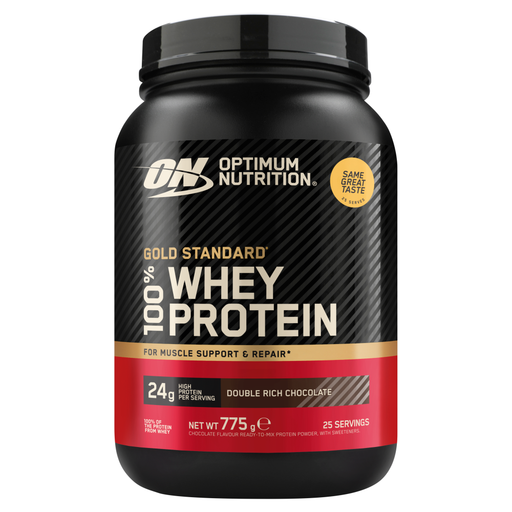
Why This Fits Their Persona: A moderate-size tub with a 31g serving and 24g protein can be a straightforward option for gym-goers establishing a daily protein routine.
The listing states the serving size, protein amount, ingredients and allergens clearly, making it easier to compare with similar whey products.
24g protein per serving; whey protein isolate is listed as the primary ingredient; double chocolate flavour.
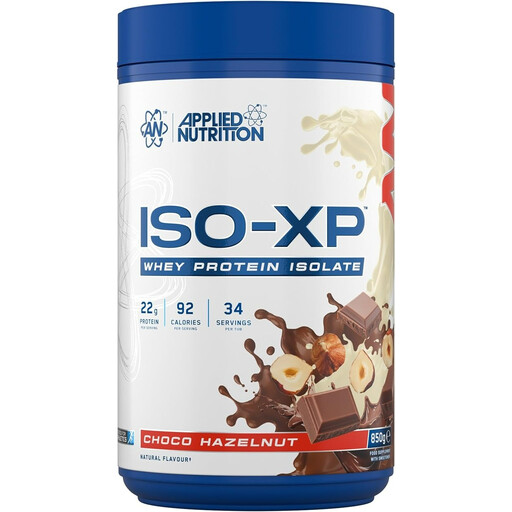
Why This Fits Their Persona: Suitable for adults who prioritise a concentrated protein source and closely monitor carbohydrate, sugar and fat intake.
Its nutrition panel allows buyers to check the low carbohydrate and sugar content rather than relying on general “lean” or “pure” wording.
22.4g protein and 93 kcal per 25g serving; 0.4g carbohydrate and 0.2g sugar per serving.
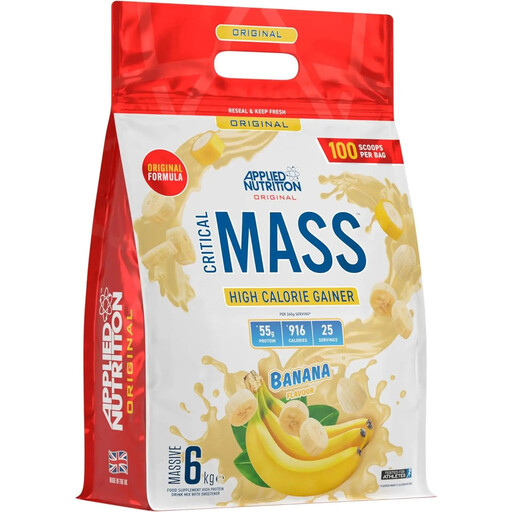
Why This Fits Their Persona: Designed for hard gainers and frequent users who need a substantial calorie and carbohydrate addition alongside their normal meals.
The listing makes the large 240g serving explicit, helping users understand that this is not an ordinary protein shake.
917 kcal, 153.8g carbohydrate and 54.9g protein per 240g serving; contains milk and egg.
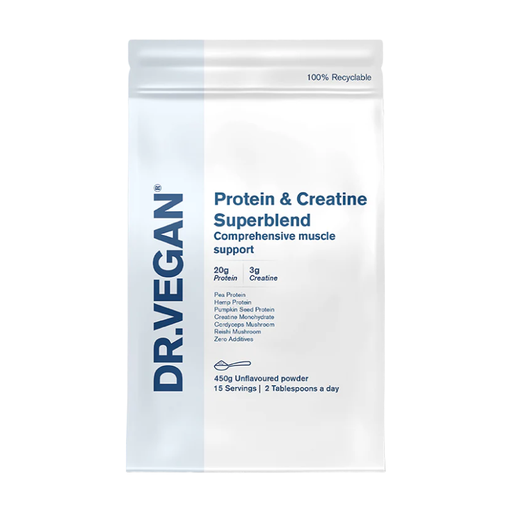
Why This Fits Their Persona: A practical choice for vegans wanting protein and creatine protein powder in one unflavoured mix for smoothies, yoghurt or recipes.
It states the protein blend, creatine quantity and free-from information, rather than hiding the formula behind a broad proprietary blend.
20g plant protein and 3g creatine monohydrate per 30g serving; free from added sugar, dairy, gluten and soya.
We have compiled a complete, real-time list of products that fully satisfy these strict selection criteria and UK safety regulations.
Choose whey if milk-based protein suits your diet and you prefer a dairy-derived formula. Choose vegan protein powder if you follow a plant-based diet or avoid dairy. Check the protein per serving, ingredient blend and allergen statement in both cases. Some vegan products contain soya, so read the label carefully.
Not necessarily. A normal meal or protein shake may fit your routine. A recovery formula becomes more convenient when you need protein alongside carbohydrates and electrolytes after demanding sessions. For example, the listed recovery products provide protein, maltodextrin and electrolyte minerals in a single serving.
They can be used as directed by adults who need additional calories, but they are not a replacement for a balanced diet. Check the serving size before buying: a 240g serving may provide over 900 kcal and substantial carbohydrate. Start with the label guidance and consider how the product fits your total daily intake.