
24/7 Customer Support

Free returns

Same-day & Next-day Delivery

Quality Guaranteed

Unlock Your Welcome Offers: FREE Delivery | Up to 80% OFF | Free 30-day JoyPlus trial
Download the APP
Buying sports nutrition supplements can make it easier to reach protein, calorie or micronutrient targets. However, a large tub, impressive-sounding blend or “high strength” label does not automatically make a product suitable for your routine. The right choice depends on your training aims, diet, allergen requirements, budget and how consistently you will use it.
As the Joybuy Product Recommendation Officer, I focus on practical details rather than promotional language. Here are the checks that can help UK shoppers avoid wasted money.
A tub may appear inexpensive until you calculate the cost per serving. Compare the net weight, serving size and protein or calorie content per serving. A 2 kg protein powder can offer better long-term value than a smaller pack, but only if you enjoy the flavour and can use it before the best-before date.
Whey protein, clear whey protein and hydrolysed whey are often promoted around digestion speed. For most shoppers, the more useful questions are whether the product supplies enough protein, fits their dietary needs and is convenient to drink. A powder that remains unopened because the texture is unpleasant offers little practical value.
Protein powders may contain milk, soya, egg, gluten or nuts, including through manufacturing facilities. Vegan products can still contain soya, while a dairy-free mass gainer may use beef protein rather than plant-based protein. Always check the current packaging, particularly if you have an allergy, intolerance or follow a halal, vegetarian, vegan or gluten-free diet.
Whey protein concentrate and whey protein isolate are dairy-based complete proteins containing essential amino acids. The products listed here provide approximately 20–24g of protein per serving, depending on the formula and flavour. Clear whey protein usually has a lighter, fruit-drink style texture, while conventional whey protein tends to create a creamier shake.
For plant-based diets, look for a blend rather than relying only on the front label. Pea, pumpkin seed and hemp proteins can provide complementary amino acids. Check whether the product contains soya, as “plant-based” does not always mean soya-free.
A standard protein powder is designed to add protein without a large calorie load. A mass gainer or weight gain powder is different: it combines protein with substantial carbohydrates and calories. For example, Applied Nutrition Critical Mass Professional lists 42g protein and approximately 75g carbohydrate per 150g serving, while Beef-XP lists 42.3g protein and 70g carbohydrate per 125g serving.
This can suit people struggling to consume enough food, but it may be unnecessary for someone managing calories. Measure servings with scales where possible, because large scoops can make calorie intake rise quickly.
Creatine supplements commonly provide creatine monohydrate, while B complex vitamins provide micronutrients such as niacin, riboflavin, folate and vitamin B12. Check whether your chosen product already contains creatine, caffeine, vitamins or minerals before adding another supplement.
For example, a protein and creatine superblend may be convenient, but separate products can offer more control over dosage. Do not exceed label directions. If you take medication, have a medical condition, are pregnant or breastfeeding, ask a healthcare professional before using food supplements.
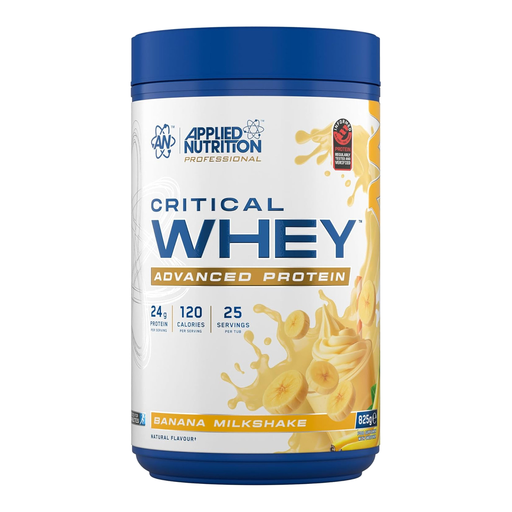
Why This Fits Their Persona: A straightforward whey protein option for adults beginning strength training or trying to increase daily protein without choosing a multi-ingredient formula.
The label states 24g protein per 30g serving, making it easier to compare protein density instead of judging by pack size alone.
Contains whey concentrate, isolate and hydrolysed whey; banana flavour can be mixed with water or milk.
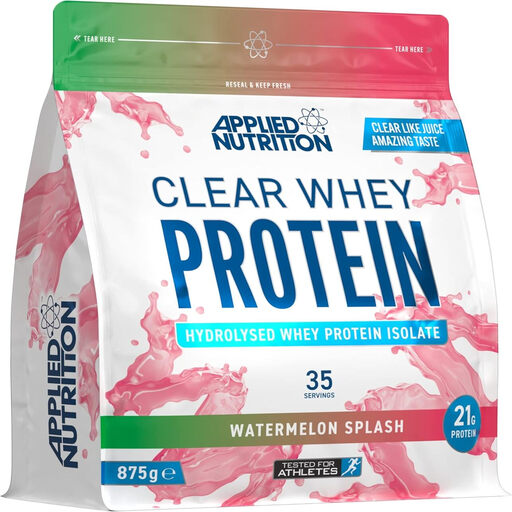
Why This Fits Their Persona: Suitable for active adults who dislike thick shakes and prefer a lighter drink after a gym session or during the day.
Its product information specifies 95% hydrolysed whey protein and a 25g serving, rather than relying only on vague “rapid recovery” wording.
Provides 21.27g protein and around 90 kcal per serving; watermelon flavour has a clear, non-creamy format.
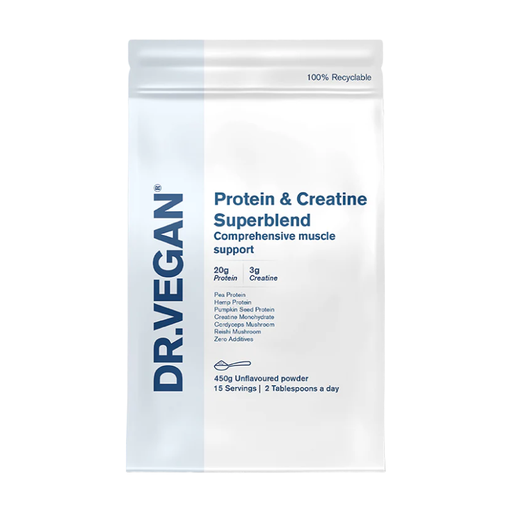
Why This Fits Their Persona: A practical choice for vegan adults seeking plant-based protein and creatine in one unflavoured powder.
The listed formula identifies pea, pumpkin seed and hemp proteins, plus 3g creatine monohydrate per 30g serving.
Provides 20g protein per serving and is listed as free from dairy, soya, gluten, added sugar and sweeteners.
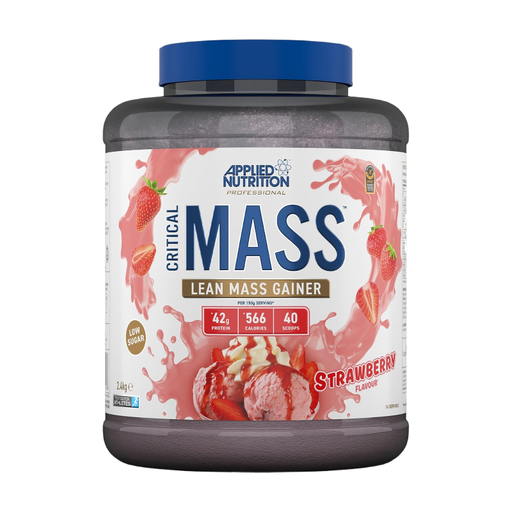
Why This Fits Their Persona: Designed for adults with high calorie and protein requirements who find it difficult to gain weight through meals alone.
The nutrition panel clearly shows the substantial serving size and calorie contribution, so users can plan intake rather than underestimate it.
A 150g serving provides approximately 566 kcal, 42g protein, 74.7g carbohydrate and 3g creatine.
Food supplements should complement a varied diet and active lifestyle, not replace meals. Store powders in a cool, dry place, close containers securely and check the label before every use.
We have compiled a complete, real-time list of products that fully satisfy these strict selection criteria and UK safety regulations.
Choose whey if dairy suits your diet and you want a conventional complete protein source. Choose vegan protein powder if you avoid dairy or follow a plant-based diet. Always check the actual protein amount, allergen statement and flavour before buying.
They can be useful for adults with high energy needs, but their calorie and carbohydrate content may be substantial. Start with the label serving guidance, monitor your overall diet and consider a smaller serving if appropriate. Seek professional advice if you have a medical condition or take medication.
Not necessarily. Some products combine creatine with protein, while others contain B vitamins or niacin. Compare the ingredient panels to avoid unnecessary duplication and follow the recommended daily intake for each product.