
24/7 全天候客户支持

免费退货

当日/次日达

品质保障

开启新人专享福利: 全场免邮 | 低至 2 折 | 免费试用 30 天 JoyPlus 会员
下载 Joybuy
By Joybuy Product Recommendation Officer
Choosing sports nutrition supplements can be more complicated than expected. Shelves and online listings are filled with protein powders, pre-workout drinks, meal replacement shakes and amino acid supplements, often using similar language and eye-catching claims.
The right choice depends less on impressive wording and more on whether the product fits your diet, training routine, serving requirements and budget. Before buying, watch for these common pitfalls.
A 2kg container may appear economical, but the useful comparison is cost per serving and protein per serving. A powder providing 20g of protein in a 25g serving is not directly comparable with one providing 24g in a 33g serving. Check how many servings the pack contains and whether the recommended daily use suits your routine.
Some products combine protein with creatine, amino acids, vitamins, fibre or botanical extracts. This may be convenient, but it can also lead to paying for ingredients you already obtain from food or another supplement. For example, a standalone whey protein may be more suitable if your only requirement is to increase daily protein intake.
Pre-workout powder requires additional care. Caffeine content varies considerably, and combining it with coffee, energy drinks or other caffeine products can increase total intake. Always check the label and follow the recommended serving.
Whey protein and many meal replacement shakes contain milk. Some powders also contain soya, gluten-containing cereals, eggs or nuts, or are made in facilities handling those ingredients. Plant-based protein powder is not automatically free from allergens: pea and soya proteins are common components.
Do not rely only on front-of-pack wording such as “vegetarian” or “plant-based”. Read the full ingredients and allergen statement before purchasing.
For a straightforward protein supplement, compare the grams of protein per serving, as well as the serving size. Whey protein concentrate and whey protein isolate are both milk-derived options. A blend can offer a practical balance of texture, taste and nutritional value, while isolate-only products may be considered by people trying to reduce lactose intake. Neither option is suitable for people with a milk allergy.
For vegetarian or vegan shoppers, plant-based protein powder may contain pea, soya, rice or other sources. Check whether the product is officially suitable for your dietary pattern and whether it contains added vitamins or minerals that overlap with your multivitamins.
Protein powders can range from relatively low-calorie shakes to substantial weight gain supplements. A lean protein powder may suit someone managing calories, whereas a mass gainer with carbohydrates, creatine and over 500 calories per serving is designed for a different use case.
Meal replacement shakes should be assessed as prepared, not just as dry powder. For example, the liquid used can change the final calorie and protein content. Check the label for serving instructions, including whether it requires water, skimmed milk or another drink.
Consider where and when you will use the product. Ready-to-drink protein shakes need no shaker or mixing liquid, making them useful for commuting or keeping at work. Powdered products are usually easier to store in larger quantities, but require accurate measuring and suitable storage.
For performance products, check the active amounts rather than relying on phrases such as “advanced formula”. A pre-workout may contain caffeine, creatine and beta-alanine, while EAA supplements provide essential amino acids without necessarily replacing a complete protein source.
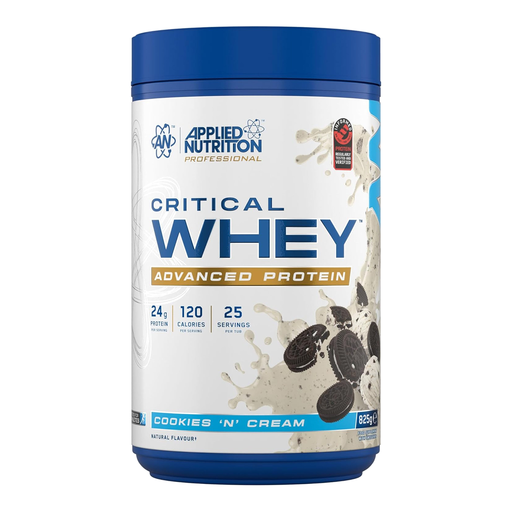
Why This Fits Their Persona: A manageable pack size for people starting strength training or adding protein between meals without committing to a larger tub.
The listing provides approximate serving nutrition, ingredients and allergen information, helping buyers compare the product rather than relying only on flavour-led marketing.
Whey concentrate and isolate blend; approximately 22–24g protein per serving; suitable for vegetarians.
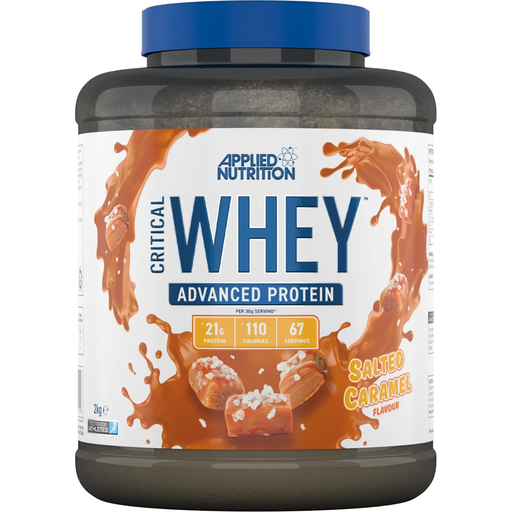
Why This Fits Their Persona: Suitable for regular gym-goers who want a larger supply and a multi-source whey formula for frequent use.
Its nutrition panel states the serving size and protein amount, so shoppers can calculate daily intake and compare value per serving.
Contains concentrate, isolate and hydrolysed whey; 24g protein per 33g serving; large 2kg format.
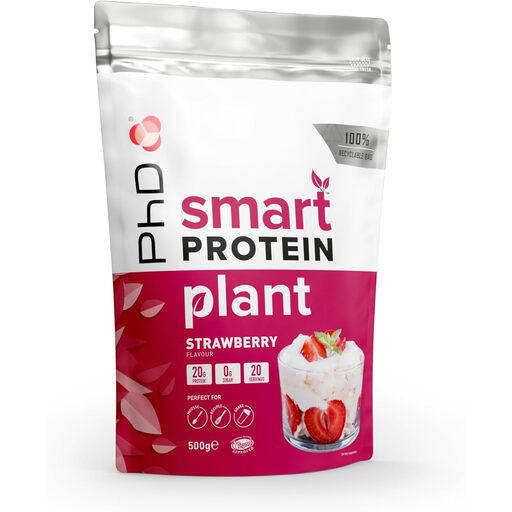
Why This Fits Their Persona: A practical option for vegetarian and plant-based adults who want to use protein in shakes, smoothies, baking or desserts.
The ingredient list clearly identifies pea and soya protein, helping buyers avoid assuming that every plant-based product is free from soya.
20g protein per 25g serving; zero sugar listed; includes vitamin B6, folic acid, vitamin B12, iron and zinc.
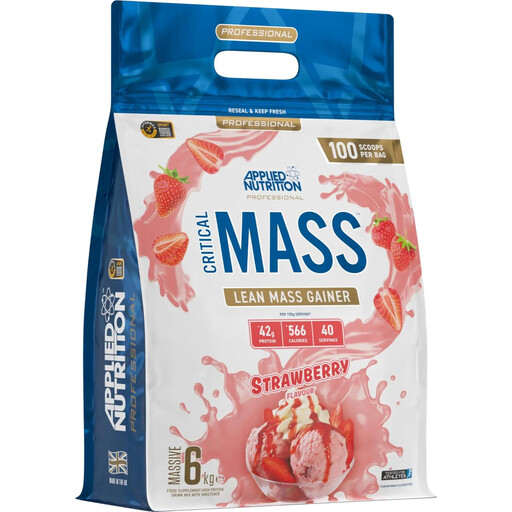
Why This Fits Their Persona: Designed for adults with high calorie and protein requirements who need more than a standard protein shake.
The serving nutrition shows the substantial calorie, carbohydrate and protein content, making it easier to judge whether it fits your daily plan.
42g protein and approximately 75g carbohydrate per 150g serving; includes creatine monohydrate and a 6kg pack size.
Always follow the packaging directions. Food supplements should complement a varied, balanced diet and active lifestyle, rather than replace them. Product formulas and labels can change, so check the current packaging before use.
We have compiled a complete, real-time list of products that fully satisfy these strict selection criteria and UK safety regulations.
Start with the specific gap in your diet. If you struggle to reach your protein intake, protein powder or a ready-to-drink protein shake may be sufficient. If your meals already provide enough protein, adding EAA supplements or several overlapping products may offer limited practical value.
Cost depends on serving size, frequency and format. Powdered products generally provide more servings per container, while ready-to-drink shakes offer convenience at a higher packaging and transport cost. Compare the price per serving, protein grams and preparation requirements before buying.
Most powders should be kept tightly closed in a cool, dry place away from sunlight and moisture. Ready-to-drink products usually require refrigeration after opening and should be consumed within the period stated on the label. Always check the best-before information and keep supplements out of the reach of children.