
24/7 全天候客户支持

免费退货

当日/次日达

品质保障

开启新人专享福利: 全场免邮 | 低至 2 折 | 免费试用 30 天 JoyPlus 会员
下载 Joybuy
Choosing sports nutrition supplements is not simply a matter of selecting the largest tub or the product with the boldest performance claims. UK shoppers need to compare protein sources, serving sizes, allergens, sweeteners, caffeine and dietary suitability before adding anything to their basket.
Whether you need a protein powder for strength training, a low-sugar drink for commuting, vegan protein supplements or convenient healthy snacks, the right choice depends on your diet and routine. Here are the main buying pitfalls to avoid.
A powder may advertise a high protein percentage, but the practical figure is the amount of protein per serving. Compare this with your daily requirements and the serving size you will realistically use. A product delivering 20–28g per portion may be more convenient than one with impressive figures per 100g but an unclear scoop size.
Also check whether the product is a true protein supplement or an amino acid drink. Essential amino acid supplements and BCAA supplements can contain little or no complete protein, so they should not automatically replace meals or protein powder.
Low-sugar protein drinks can still contain carbohydrates, fat or sweeteners that matter when tracking macros. Some sugar-free biscuits and bars use polyols such as maltitol or isomalt; the packaging may warn that excessive consumption can have a laxative effect.
Similarly, a product labelled keto supplements may contain ingredients that do not suit your own carbohydrate limit. Always check the nutrition panel rather than relying only on front-of-pack wording.
Whey, casein and milk-based protein shakes are unsuitable for people with milk allergies and may not suit those avoiding lactose. Plant-based protein powder can contain soya, while some products may carry warnings for traces of milk, gluten, eggs or nuts.
Fat burner capsules require particular caution. For example, the supplied Shred-X information lists 320mg caffeine per three-capsule serving. This is a substantial amount for many adults and should be considered alongside coffee, energy drinks and pre-workout products. Food supplements are not a substitute for a varied diet, and anyone taking medication or managing a health condition should seek medical advice before use.
Compare the nutrition panel per serving:
These figures make it easier to choose between a post-gym drink, a meal accompaniment or a portable snack. If you follow a low-carbohydrate plan, also check sugar, total carbohydrate and serving frequency.
Clear whey protein and amino acid powders usually need cold water and thorough shaking. Traditional creamy protein shakes may work better with milk or plant milk, while ready-to-drink protein shakes require no preparation.
Look for a clearly stated scoop weight, maximum daily serving, storage instructions and best-before information. Once opened, keep powders tightly sealed in a cool, dry place. Do not assume that a larger container offers better value if you dislike the flavour or cannot use it before the recommended storage period.
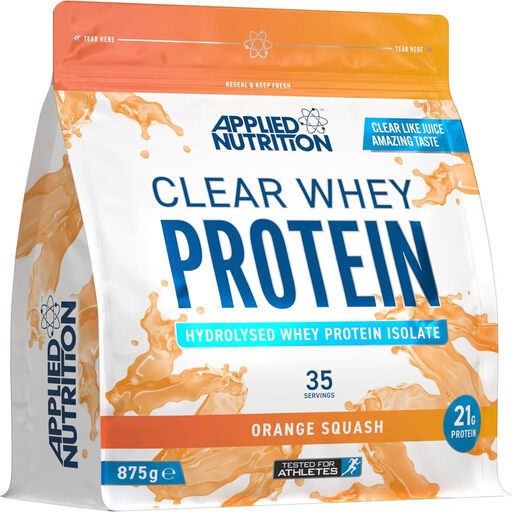
Why This Fits Their Persona: The large 875g format suits adults starting a regular gym routine and wanting a light alternative to thick protein shakes.
The label gives per-serving values, including 21.27g protein and 90 kcal, rather than relying only on percentage claims.
It contains 95% hydrolysed whey protein and is listed at 1.01g carbohydrate per 25g serving. Contains milk.
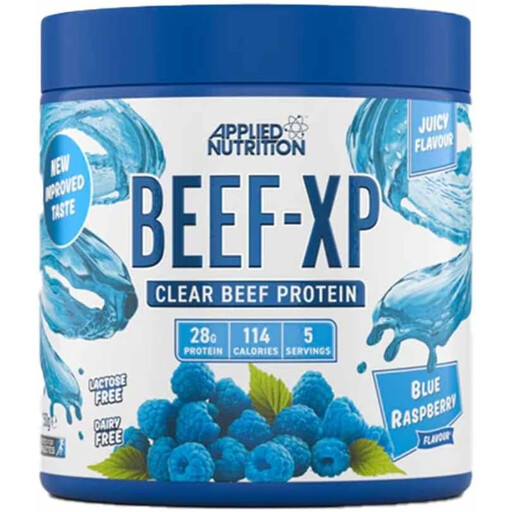
Why This Fits Their Persona: A practical choice for adults seeking a dairy-free, lactose-free clear protein format with a stated complete EAA and BCAA profile.
The ingredient list identifies hydrolysed grass-fed beef protein isolate and states that the formula contains no collagen or gelatine fillers.
A 30g serving lists 27.72g protein, 0g sugar and 0.66g carbohydrate. Mix with cold water as directed. Animal-derived and not suitable for vegans.
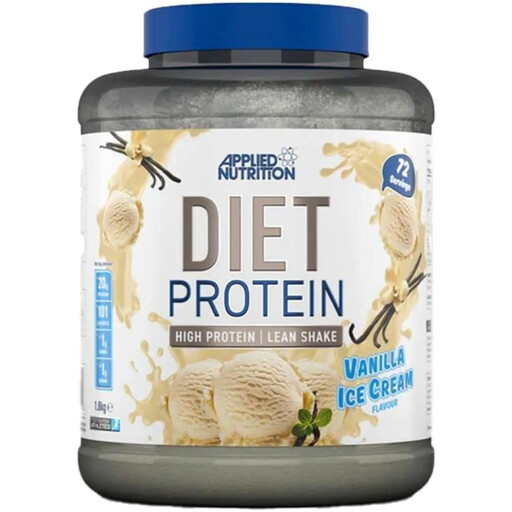
Why This Fits Their Persona: The 1.8kg tub is suited to active adults who use protein shakes frequently while monitoring calories and carbohydrates.
The label separates protein from added ingredients, listing 20g protein, 100 kcal and 0.98g carbohydrate per 25g serving.
It contains a whey blend, listed BCAAs and a large pack size. It contains milk and should be assessed alongside your overall diet.
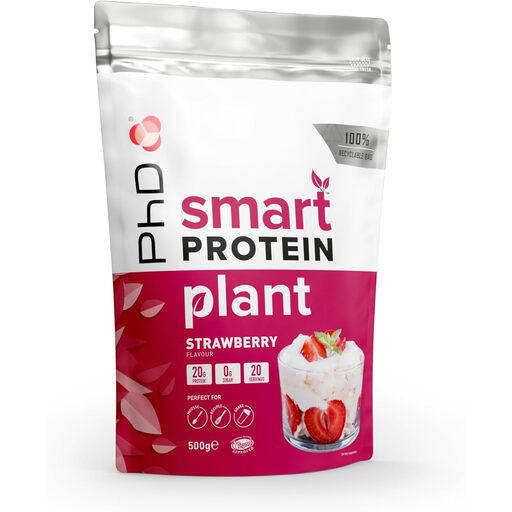
Why This Fits Their Persona: This suits vegetarian and plant-focused adults who want to use protein in shakes, smoothies, baking or breakfast recipes.
The product identifies pea and soya proteins rather than using a vague plant-based description. Soya is clearly declared as an allergen.
A 25g serving provides 20g protein and 0g sugar, with added vitamin B6, folic acid, B12, iron and zinc. Check the label for possible traces.
We have compiled a complete, real-time list of products that fully satisfy these strict selection criteria and UK safety regulations.
Choose powder if you want adjustable serving sizes, longer cupboard storage and the ability to mix with water, milk or recipes. Ready-to-drink protein shakes are more convenient for work, travel or after the gym, but check their calorie, sugar and refrigeration requirements.
Usually not. Clear whey protein is still made from milk and should be avoided by people with a milk allergy. Those avoiding lactose should check the exact product label rather than assume that “clear” means dairy-free. Hydrolysed beef protein or a suitable plant-based protein powder may offer different alternatives, subject to dietary and allergen checks.
Not necessarily. A complete protein serving already supplies amino acids, while EAA products provide the nine essential amino acids without functioning as a conventional protein serving. Compare the nutrition panel, your daily protein intake and your training plan before adding another supplement. Always follow the stated dosage and consult a healthcare professional if you take medication or have a relevant medical condition.