
24/7 Customer Support

Free returns

Same-day & Next-day Delivery

Quality Guaranteed

Unlock Your Welcome Offers: FREE Delivery | Up to 80% OFF | Free 30-day JoyPlus trial
Download the APP
Buying sports nutrition supplements can seem straightforward until you compare serving sizes, ingredient lists, flavours and usage instructions. A large tub does not always offer better value, while an impressive-looking pre-workout blend may contain ingredients that do not suit your training time or dietary preferences.
For UK gym-goers, strength trainers and active adults, three purchasing traps appear particularly often:
A practical comparison should begin with the label rather than the front-of-pack claims.
For creatine monohydrate powder, compare the amount of creatine monohydrate per serving, not simply the net weight. The products available in this range use different serving formats, including approximately 3.6g, 4.2g, 4.5g and 5g.
A larger serving is not automatically more suitable. Follow the product’s own directions and avoid combining several high-dose creatine products unless a healthcare professional advises you to do so. Those wanting a simple formula may prefer micronised creatine with creatine monohydrate as the only ingredient. Flavoured products may also include acids, sweeteners and colourings, which are worth checking if you have dietary restrictions.
A pre-workout powder may contain caffeine, while a caffeine-free pre-workout is designed for users who prefer to avoid stimulants. Check the exact version before ordering because similarly named products can have different formulas.
For example, the Applied Nutrition Pump 3G range is available in caffeinated and caffeine-free versions. The AAKG Pump Support Powder is described as stimulant-free and provides 3,200mg of Arginine Alpha Ketoglutarate per 10g serving. This may appeal to people training late in the day, although individual tolerance and other supplements should still be considered.
When comparing electrolyte supplements, look at the actual quantities of sodium, potassium, chloride, calcium and magnesium. A powder that lists several minerals may provide different amounts of each, so the nutrition panel is more useful than the phrase “electrolyte blend”.
Preparation also matters. Single-serve sachets are convenient for commuting, travel or outdoor exercise, while tubs may offer more servings for regular gym use. Science in Sport Hydro+ sachets, for instance, are mixed with 500ml of cold water and provide a portable format. Other hydration powders use a scoop and 250–500ml of water, so check the stated dilution and daily limit.
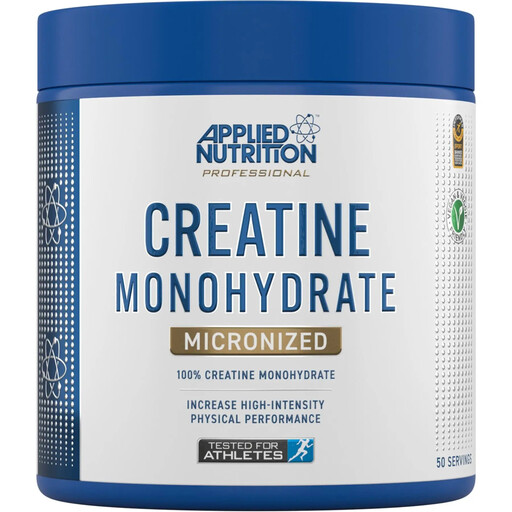
Why This Fits Their Persona: A straightforward option for adults starting a regular gym routine and wanting an unflavoured powder that can be mixed with water, juice or a protein shake.
The ingredient list identifies micronised creatine monohydrate without added flavourings, making the active formula easy to assess.
100% micronised creatine monohydrate; 5g serving; unflavoured format.
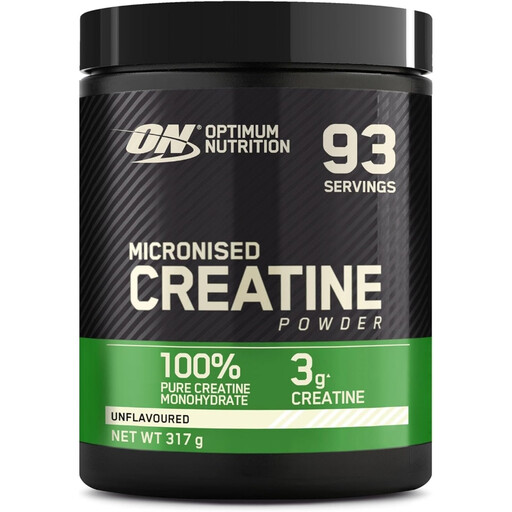
Why This Fits Their Persona: Suitable for users prioritising a short ingredient list and a larger pack for consistent training at home or in a UK gym.
The unflavoured formula contains creatine monohydrate as its listed ingredient, avoiding a long flavour and sweetener panel.
317g pack; micronised powder; 3.6g serving with 3.4g creatine monohydrate.
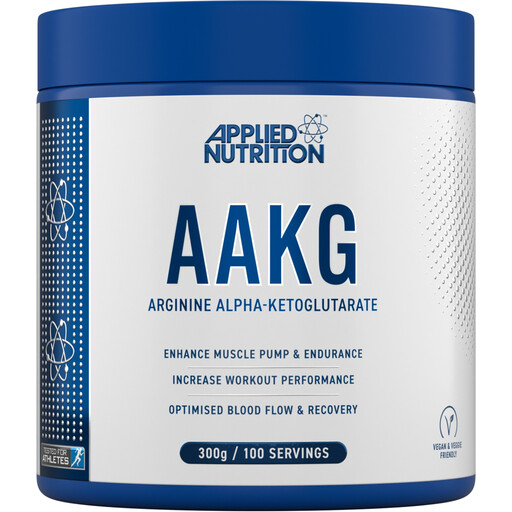
Why This Fits Their Persona: A practical match for healthy adults seeking a stimulant-free pump supplement for resistance training, including evening sessions.
Its product information clearly states that it is stimulant-free, helping buyers distinguish it from caffeinated pre-workout formulas.
3,200mg AAKG per 10g serving; 300g powder; supplied as a stimulant-free formula.
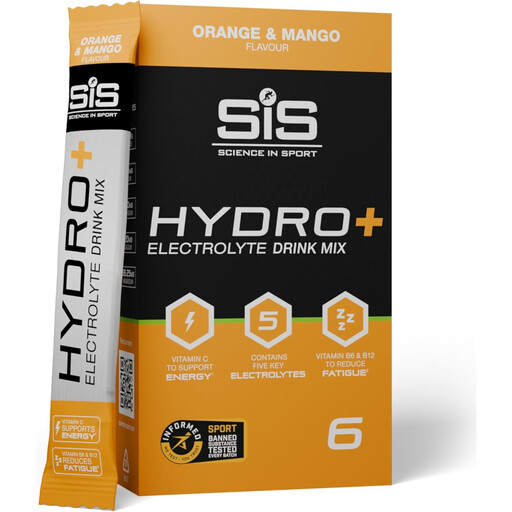
Why This Fits Their Persona: Useful for runners, cyclists and gym users who want pre-portioned hydration support after sweating, at work or while travelling between UK activities.
The sachet format provides a defined 4.3g serving and lists the quantities of sodium, potassium, chloride, calcium and magnesium.
Six individual sachets; orange and mango flavour; includes vitamin C, B6 and B12.
Supplements work most practically when they fit an established routine. Keep powder tightly sealed in a cool, dry place and use the scoop or sachet stated on the label. Do not assume that taking more will deliver better results.
It is also unnecessary to buy every category at once. Creatine monohydrate may suit a strength-focused routine, while a pre-workout or AAKG pump supplement is a separate purchasing decision. Hydration powders may be more relevant for long, sweaty or outdoor sessions than short indoor workouts.
Adults with medical conditions, allergies or ongoing medication should check the label carefully and seek advice from a healthcare professional before use. Food supplements should complement a varied diet and active lifestyle, not replace either.
We have compiled a complete, real-time list of products that fully satisfy these strict selection criteria and UK safety regulations.
Divide the net weight by the stated daily serving. A 250g product used at 5g per day provides approximately 50 servings, while a 500g product at the same serving provides approximately 100 servings. Actual duration depends on the product’s instructions and whether servings are taken more than once daily.
Choose unflavoured creatine if you want to mix it with different drinks or minimise additional ingredients. Flavoured versions can make daily use more enjoyable but may contain sweeteners, acids and colourings. Always compare the creatine quantity per serving rather than choosing by taste alone.
It may be a suitable option for adults who prefer to avoid caffeine before bed or who are sensitive to stimulants. However, caffeine-free does not mean every ingredient is suitable for everyone. Check the complete formula, serving guidance and warnings before use.