
24/7 全天候客户支持

免费退货

当日/次日达

品质保障

开启新人专享福利: 全场免邮 | 低至 2 折 | 免费试用 30 天 JoyPlus 会员
下载 Joybuy
Buying sports nutrition supplements can make busy training routines easier, but attractive packaging does not always tell you what you need to know. Protein bars may contain substantial polyols, energy gels may include more caffeine than expected, and meal replacement shakes are not automatically suitable for every diet.
The practical approach is to match the product format and nutrition panel to your activity, dietary requirements and intended use. Here are the main pitfalls to avoid before you buy.
A protein product can help increase daily protein intake, but it may not provide enough carbohydrate for long-distance running or cycling. Equally, an energy gel is designed primarily for carbohydrate refuelling and is not a substitute for a protein-rich post-workout snack.
Check the protein, carbohydrate and calorie content per serving, rather than relying on front-of-pack wording. For example, ready-to-drink protein shakes can provide around 20g to 42g of protein per bottle, while the supplied energy gels provide approximately 23g to 30g of carbohydrate per serving.
Many low-sugar protein bars use sugar alcohols such as maltitol, xylitol or glycerol. These ingredients can reduce listed sugar, but the bar may still contain significant calories and carbohydrate. Some people may also experience digestive discomfort after consuming large amounts of polyols.
Review the full nutrition table, including energy, carbohydrate, polyols, fibre and fat. A 60g low-sugar protein bar, for instance, may still provide more than 200 calories.
Protein products commonly contain milk, soya, wheat, peanuts or bovine collagen. “Vegetarian” does not mean dairy-free, and a product with no common allergens may still be manufactured in a facility handling milk, eggs, soya or nuts.
Always read the bold allergen declaration, ingredient list and suitability statement on the current packaging. Formulations and packaging can change, so the product label supplied with your order should take priority.
For everyday protein intake, compare grams per serving and the type of protein used. Milk protein, whey, caseinate, soya and plant protein blends have different textures and dietary implications.
Consider the intended occasion. A 20g protein shake may suit a post-session snack, while a 42g bottle may be more appropriate for someone deliberately increasing daily protein intake.
Runners, cyclists and people taking part in prolonged exercise often need readily accessible carbohydrate. Energy gels vary considerably:
A gel containing 230mg caffeine is not equivalent to a standard carbohydrate gel. Caffeine-sensitive users and anyone already consuming coffee, tea or pre-workout products should calculate their overall intake carefully.
Sports hydration drinks should show the minerals included and their quantities. A zero-sugar drink may be useful when you want electrolytes without additional carbohydrate, while a long endurance session may require both fluids and carbohydrate from separate sources.
Look for sodium, potassium and magnesium values per can or bottle, not simply claims such as “electrolyte support”. Cadence Core Hydration Drink Citrus, for example, lists 500mg of active electrolytes in its product description, with 190mg potassium and 30mg magnesium per 330ml can.
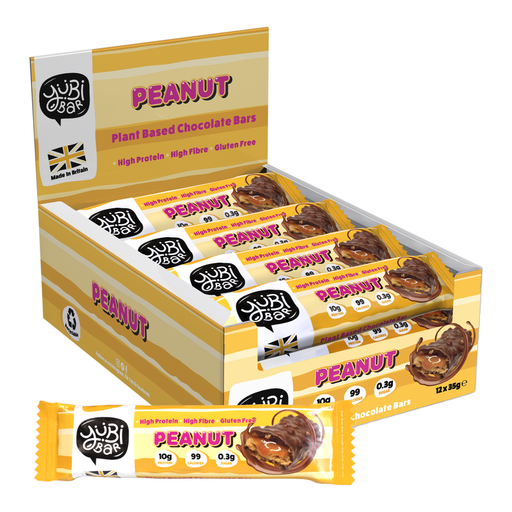
Why This Fits Their Persona: A compact option for adults who want a plant-based snack for work, commuting or light post-workout use without carrying a shaker.
The label provides serving-level figures rather than relying only on “low sugar” messaging. Check the polyol warning if you are sensitive to sugar alcohols.
Each 35g bar lists 10g protein and 99 calories. The product is described as vegan, gluten-free and dairy-free, but contains soya and oats.
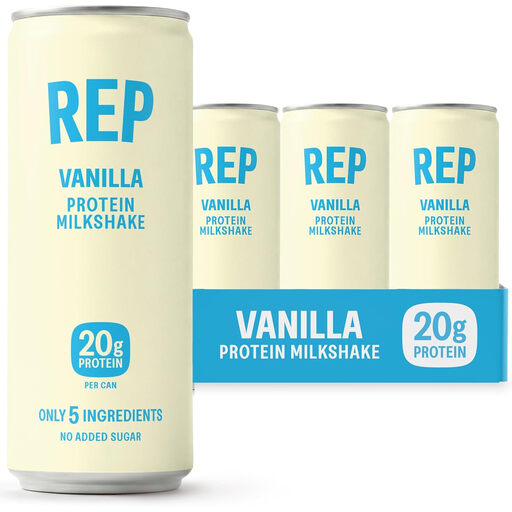
Why This Fits Their Persona: Suitable for adults and vegetarians who prefer a short ingredient list and a chilled, ready-to-drink format after training or between meals.
Its stated five-ingredient formula makes it easier to inspect the recipe rather than interpreting broad “clean nutrition” claims.
Each 250ml can lists 20.3g protein and 150 calories, with no artificial sweeteners, flavours, preservatives or stabilisers listed.
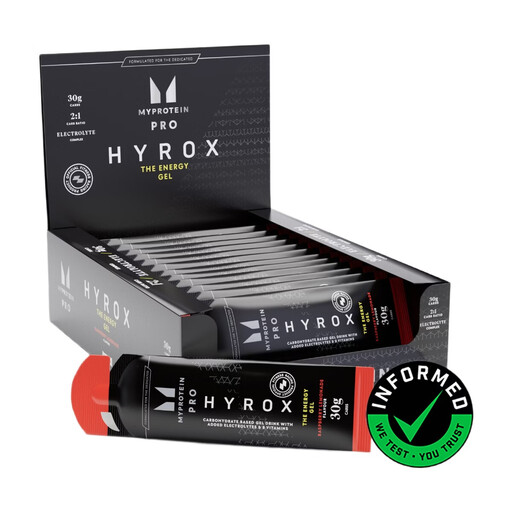
Why This Fits Their Persona: Designed for adults doing prolonged running, cycling, racing or intense training where portable carbohydrate and electrolyte intake are practical priorities.
The product specifies carbohydrate, serving size, electrolyte ingredients and a maximum of six sachets in 24 hours.
Each 60ml serving provides 30g carbohydrate, with magnesium, potassium and B vitamins in individual sachets.
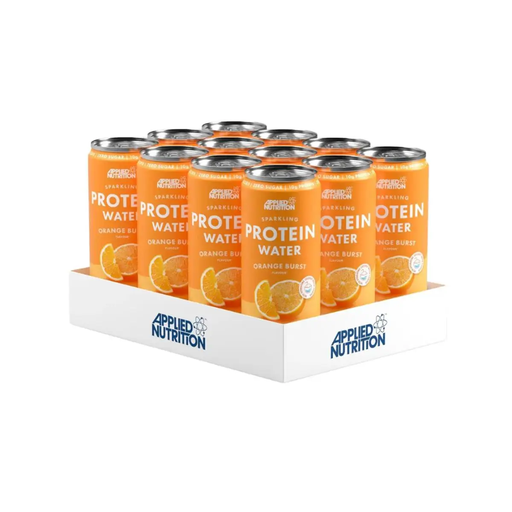
Why This Fits Their Persona: A non-milky option for adults who want a chilled drink after exercise and need to consider dairy-free, gluten-free or Halal dietary preferences.
The nutrition panel lists protein, sugar, calories and vitamin C per can, while the product information identifies its dietary exclusions and Halal certification.
Each 330ml can provides 10g collagen protein, 44 calories and 0.15g sugar, with coconut water powder and vitamin C.
We have compiled a complete, real-time list of products that fully satisfy these strict selection criteria and UK safety regulations.
A protein bar or ready-to-drink protein shake can be convenient after resistance training or a general gym session. Compare the protein per serving, total calories and allergens. Energy gels are usually more relevant to prolonged endurance activity than ordinary weight-training sessions.
Meal replacement shakes and bars should be used according to their label instructions and as part of a varied diet. Check serving limits, preparation instructions and whether the product is intended to replace one or two meals. People who are pregnant, breastfeeding, taking medication or managing a medical condition should seek appropriate professional advice before use.
Follow the product label. Unopened cans and bottles are generally kept in a cool, dry place away from direct sunlight. Once a ready-to-drink product is opened, refrigerate it and consume it within the stated period. Always check the best-before information and inspect packaging before consumption.