
24/7 Customer Support

Free returns

Same-day & Next-day Delivery

Quality Guaranteed

Unlock Your Welcome Offers: FREE Delivery | Up to 80% OFF | Free 30-day JoyPlus trial
Download the APP
Finding the right pair of sports sunglasses can feel like navigating a minefield of technical jargon and marketing promises. Whether you're a dedicated cyclist, a weekend runner or simply need reliable eyewear for your daily commute, the wrong choice can lead to more than just buyer's remorse—it can mean discomfort, poor visibility and wasted money. Before you buy, it's crucial to understand the common pitfalls that many shoppers fall into.
Many pairs look the part but fail when it matters most. Here are two of the most frequent issues we see:
By focusing on a few key parameters, you can sidestep these issues and find a pair that delivers genuine performance and longevity.
To make an informed decision, look past the marketing buzz and focus on the core specifications that define a quality pair of sports sunglasses. These are the non-negotiable features that ensure your eyes are protected and your vision is clear.
The quality of your lenses is paramount. While many brands highlight UV protection, the technology goes much deeper.
A pair of sunglasses is only as good as its frame. The material and design dictate how well they will hold up and how comfortable they will be to wear.
To help you match features to your lifestyle, we've identified a few options from our collection that align with specific user needs, each addressing the common purchasing pitfalls.
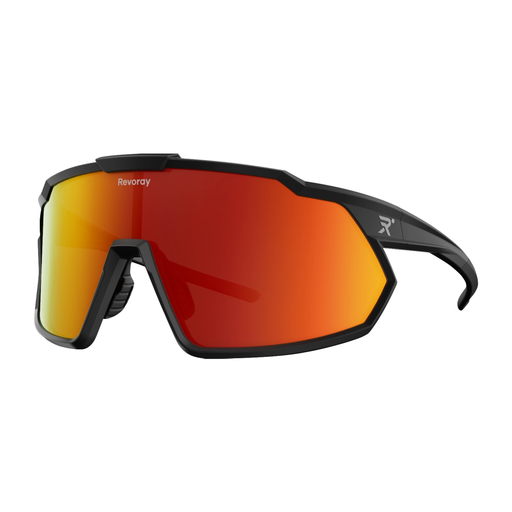
Why This Fits Their Persona: This user needs eyewear that stays put during intense activity and provides clear, protected vision. These glasses are built for performance, with features tailored to the demands of UK road cycling and trail running.
It directly counters the "one-size-fits-all" fallacy with adjustable anti-slip silicone nose pads and temples, ensuring a secure fit. The high-performance TR90 frame and ANSI Z87.1 certification address the "durable on paper" issue with verifiable resilience.
The HD TAC polarised lenses reduce road glare, while the ultra-lightweight (33g) design minimises pressure during long rides. Water- and oil-repellent coatings add practical durability.

Why This Fits Their Persona: Ideal for the urban commuter or frequent traveller who values convenience and style without compromising on protection. This user needs a pair that can be easily stowed in a bag or pocket.
These foldable travel sunglasses are the antithesis of bulky, impractical eyewear. The patented tri-fold design collapses to a slim 35mm profile. The use of a TR90 frame ensures that this portability does not come at the cost of durability, avoiding the flimsy-frame trap.
Extremely lightweight at only 26g for pressure-free wear. The high-definition nylon lenses provide UV400 protection and feature an anti-reflective coating to reduce glare, combining practicality with a stylish, oversized look.
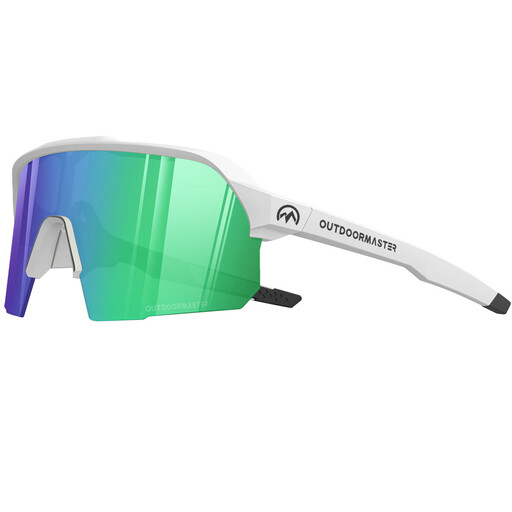
Why This Fits Their Persona: This user needs a versatile, high-quality pair for various activities like driving, fishing and golf. They prioritise clear, glare-free vision and a frame that can withstand regular use across different environments.
The shape-memory TR90 frame ensures a resilient and comfortable fit, tackling the durability issue head-on. The inclusion of high-performance HD polarised lenses moves beyond a simple UV sticker, providing superior optical clarity and glare reduction.
The colour-enhancing bronze polarised lens is excellent for improving visual contrast. It also includes an interchangeable clear lens for low-light conditions, adding a layer of versatility that single-lens glasses lack.
We have compiled a complete, real-time list of products that fully satisfy these strict selection criteria and UK safety regulations.
1. Are polarised sunglasses always better for sports? Not necessarily. Polarised sunglasses are excellent for reducing glare from flat surfaces, making them ideal for anti-glare driving sunglasses, fishing or sailing. However, for sports like skiing or cycling where you might need to spot icy patches (which reflect polarised light), some athletes prefer non-polarised lenses. They can also occasionally interfere with visibility of LCD screens on GPS units or phones.
2. How can I tell if my sunglasses really have UV400 protection? While some optical shops have testers, the most reliable method for consumers is to purchase from a reputable retailer that explicitly states compliance with UK and EU standards. Look for the UKCA or CE mark on the product, which signifies that it meets the required health and safety regulations for sale in the UK.
3. How long should a good pair of TR90 sunglasses last? With proper care, a pair of lightweight TR90 sunglasses can last for several years. The material itself is highly durable and resistant to deformation. The overall lifespan often depends more on the lens coatings and how they are maintained. To maximise their life, always clean lenses with a microfibre cloth and store them in a protective case when not in use.